


Pin badges are more than just decorative items. Have you ever wondered what makes them so special? These small, wearable symbols have a rich history and continue to gain popularity today. In this article, you'll learn what pin badges are, explore their fascinating history, and discover why they remain significant in modern culture.
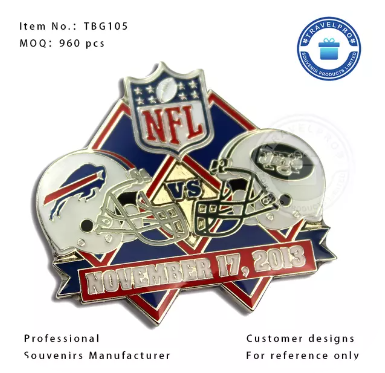
Pin badges come in various styles, each offering unique looks and manufacturing methods. Understanding these types helps you appreciate their diversity and choose the right one for your needs.
Enamel pins are among the most popular types. They feature metal surfaces filled with colored enamel, creating vibrant and durable designs. There are two main subtypes:
Hard Enamel (Cloisonné): The enamel is baked at high temperatures, then polished smooth, giving a flat, glossy finish. It feels solid and luxurious.
Soft Enamel: The enamel sits slightly below the metal lines, creating a textured feel. A clear epoxy coating often protects the surface, adding shine and durability.
Enamel pins are perfect for intricate designs and are widely used for collectibles, branding, and fashion.
Button badges, also called pin-back buttons, are made by pressing a printed paper design onto a metal or plastic base, then covering it with a clear protective layer. They usually have a safety pin or clasp on the back.
These badges are lightweight, inexpensive, and easy to produce in large quantities. They’re common for events, campaigns, or promotional giveaways.
Die-struck badges are crafted by stamping a metal sheet with a die to create raised and recessed areas. This technique produces a textured, embossed effect without color filling, although plating or polishing can enhance the look.
They often have a classic, elegant appearance and are favored for formal occasions or organizations like clubs, military, and fraternities.
Photo-etched badges use a chemical process to etch detailed designs into the metal surface. The etched areas can be filled with color or left as is for a subtle, sophisticated effect.
This method allows for very fine details and is ideal for complex logos or artwork. A clear epoxy dome may cover the design for protection.
Pin badges usually start with a metal base. Common metals include brass, copper, iron, and zinc alloy. These metals provide strength and a smooth surface for designs. Zinc alloy is popular because it melts at a lower temperature, making it easier and cheaper to shape.
For color, enamel paints or epoxy coatings are added. Enamel gives a rich, glossy finish, especially in hard and soft enamel pins. Epoxy coatings protect printed designs on photo dome or button badges. Plating metals like gold, silver, or nickel add shine and prevent rust.
The process begins by creating a metal blank in the desired shape. A steel or brass sheet is stamped or die-cast to cut out the badge’s outline. For die-struck or cloisonné pins, the design is pressed into the metal, creating raised and recessed areas.
Next, color is added. For enamel pins, colored enamel powder fills the recessed areas. The pin is then baked at high temperatures to harden the enamel. Soft enamel pins skip polishing, leaving the enamel slightly recessed. Hard enamel pins get polished for a smooth surface.
Photo-etched pins use a chemical process to carve fine details into the metal. Color is hand-filled and baked. Button badges print designs on paper, then press them under a plastic cover. Photo dome pins print on vinyl and cover it with a clear epoxy dome.
After coloring, plating is applied. This step coats the pin with metals like gold or silver. It adds durability and a polished look. Finally, the pin is fitted with a backing, such as a butterfly clutch or safety pin, so it can attach securely to clothing.
Quality control ensures every pin looks great and lasts long. Inspectors check the metal shape and design details for accuracy. Colors are verified to match the original artwork. Enamel surfaces are examined for smoothness or defects like bubbles.
Backings are tested for secure attachment. Pins must fasten firmly without damaging fabric. Manufacturers also test plating to resist scratches and tarnishing. For large orders, samples are approved before full production starts.
Good quality control prevents flaws that could hurt a brand’s image or collector satisfaction. It guarantees pins meet customer expectations in appearance and durability.
Pin badges often serve as powerful symbols of belonging. They instantly show group membership or support for a cause. For example, clubs, schools, or companies use them to identify members or staff. Wearing a pin badge can create a sense of pride and unity among people. It’s a simple way to say, “I’m part of this team” or “I support this idea.” This visual connection helps build community and shared identity.
Pins have a long history in politics and activism. Politicians wear pins to show patriotism or allegiance. For instance, American flag lapel pins became popular after 9/11 as a sign of national unity. Social movements also use pins to spread messages. Think of the pink ribbon for breast cancer awareness or rainbow pins for LGBTQ+ pride. These small items carry big meanings and help raise awareness. They make it easy for people to express their beliefs publicly and spark conversations.
Pop culture has embraced pin badges as a fun and fashionable accessory. Fans collect pins featuring favorite movies, bands, or cartoons. For example, Disney pins are highly collectible, and fans trade them at theme parks. Celebrities and influencers often wear enamel pins to show their style or support causes. Pins have become a way to personalize outfits and showcase interests. They add color and character to bags, jackets, and hats. This trend keeps pin badges popular among all ages.
Collecting pin badges is a popular hobby enjoyed worldwide. Many people start collecting because they love the designs or want to remember special events. Others collect to connect with communities or show support for causes. It’s easy to get started since pins come in many themes, prices, and styles.
Collectors often trade pins to complete sets or find rare pieces. Trading can happen in person at events or online through dedicated forums and marketplaces. This social aspect makes collecting fun and helps build friendships among enthusiasts. Some collectors focus on specific types, like enamel pins or vintage button badges, while others enjoy a broad mix.
Pin badges cover endless themes, appealing to diverse interests. Some popular categories include:
Pop Culture: Characters from movies, TV shows, comics, and video games are favorites. For example, Disney and Marvel pins have huge fan bases.
Music and Bands: Pins featuring band logos or album art let fans show their favorite artists.
Sports: Teams, leagues, and special events often have collectible pins.
Political and Social Causes: Pins supporting movements, awareness campaigns, or political parties carry strong messages.
Travel and Souvenirs: Many people collect pins from places they visit, creating unique memories.
Hobby and Interest Groups: Pins represent fandoms like anime, books, or hobbies such as hiking or gaming.
Designs range from simple logos to intricate artwork. Limited editions or artist-signed pins can become highly valuable among collectors.
If you want to start collecting, here are some helpful tips:
Choose a Focus: Decide if you want to collect by theme, style, or event. This focus makes collecting more meaningful.
Set a Budget: Pins vary in price. Setting a budget helps avoid overspending and keeps collecting fun.
Research Sellers: Buy from reputable sources like official stores, trusted online shops, or pin trading events to avoid fakes.
Join Communities: Online groups, social media pages, or local clubs offer support, trading opportunities, and information.
Care for Your Pins: Store pins properly in display cases or albums to protect them from damage.
Attend Events: Pin trading events, conventions, or fairs are great places to find unique pins and meet other collectors.
Keep Records: Track your collection with photos or lists to avoid duplicates and organize trades.
Collecting pin badges can be a rewarding hobby that connects you to culture, history, and people worldwide. Whether you collect for fun, nostalgia, or investment, pins offer a small but meaningful way to express yourself and share your passions.
Designing your own pin badge starts with a clear idea. Think about the message, logo, or image you want to represent. Sketch your design on paper or use digital tools like Adobe Illustrator or free apps such as Canva. Keep the design simple but eye-catching, since pins are small and details can get lost.
Consider the colors carefully. Bright, contrasting colors usually stand out best. Limit the number of colors to keep production costs down, especially if you want enamel pins. Also, decide the shape — whether classic round, square, or a custom outline matching your design.
Adding text? Make sure the font is clear and readable at a small size. Avoid very thin lines or tiny lettering. Remember, your design should look good from a short distance.
Once you have a design, choose materials and manufacturing techniques that fit your vision and budget.
Enamel Pins: Great for vibrant colors and durable finish. Hard enamel offers a smooth, polished look. Soft enamel gives texture but is less glossy.
Die-Struck: Ideal for a classic, embossed feel without color. Metals like brass or copper work well here.
Photo-Etched: Perfect for detailed, intricate designs with subtle color fills.
Button Badges: Cost-effective, good for large runs, but less durable.
Metal choice affects look and cost. Zinc alloy is affordable and easy to shape. Brass or copper feels more premium but costs more. Plating options like gold, silver, or black nickel add style and protect against rust.
Epoxy coatings can protect printed or photo dome pins, making them last longer.
Partnering with a manufacturer is key to turning your design into a real pin. Here’s how to work smoothly:
Find a Reliable Supplier: Look for manufacturers specializing in custom pins. Check reviews and request samples.
Provide Clear Artwork: Submit your design in high resolution, preferably vector format (AI, EPS, or SVG). Include color codes and size specs.
Discuss Options: Ask about metal types, plating, backing styles (butterfly clutch, safety pin, magnet), and minimum order quantities.
Request a Proof: Manufacturers usually send a digital or physical sample for approval before full production. Use this chance to check colors, size, and details.
Plan Production Time: Custom pins typically take 2-4 weeks. Rush orders may be possible but cost more.
Quality Control: Confirm the manufacturer has quality checks to avoid defects like color mismatch or poor plating.
Good communication ensures your pin badge turns out exactly as you imagined. Whether for personal use, gifts, or branding, custom pins let you express creativity and make a lasting impression.
Pin badges serve as powerful tools for corporate branding. They instantly communicate a company's identity and values in a small, wearable form. Employees wearing branded pins become walking ambassadors, spreading brand awareness effortlessly. Pins also foster team spirit and pride, reminding staff they belong to something bigger.
Companies often design pins featuring logos, slogans, or mascots. These pins can be given during events, meetings, or as rewards. Because pins are visible and collectible, they help keep the brand top of mind for both employees and customers.
Pin badges work great as promotional giveaways. Their low cost and high visual impact make them ideal for marketing campaigns. Businesses hand them out at trade shows, product launches, or community events to attract attention and create lasting impressions.
Promotional pins often highlight new products, special offers, or company milestones. Their collectible nature encourages recipients to keep and display them, extending the promotion's reach. Plus, pins fit easily into swag bags or mailers, making distribution simple.
Disney Pin Trading: Disney parks use enamel pins to engage visitors. Fans collect and trade pins, which boosts park visits and merchandise sales. This interactive experience turns pins into valuable souvenirs and marketing tools.
Corporate Recognition Programs: Companies like Esurance use pins to reward employee achievements. These pins boost morale and motivation, linking personal success to the company brand.
Political Campaigns: Candidates often use lapel pins featuring logos or slogans. These pins help supporters show allegiance and spread campaign messages during rallies and events.
Pin badges are versatile symbols of identity, affiliation, and style. Their popularity spans across personal expression, corporate branding, and cultural significance. As designs evolve, pin badges will continue to captivate collectors and enthusiasts. With advancements in materials and manufacturing techniques, the future of pin badges promises even more creativity and customization. Explore the vibrant world of pin badge culture and discover unique pieces that resonate with your interests. Travelpro Souvenir Products Limited offers high-quality pin badges that combine craftsmanship with meaningful design, enhancing personal and promotional value.
A: Enamel pins are metal pins filled with colored enamel, popular for intricate designs and collectibles.
A: Button badges are made by pressing a printed paper design onto a metal or plastic base, covered with a protective layer.
A: Pin badges in politics often symbolize patriotism, allegiance, or support for social movements, helping spread messages and raise awareness.
A: Choose a theme, set a budget, research sellers, join communities, care for your pins, attend events, and keep records.

