
Views: 0 Author: Site Editor Publish Time: 2026-09-02 Origin: Site


Heritage museum retail directors face a strict dual mandate. They must generate critical operational revenue. Simultaneously, they must strictly preserve the institution's historical integrity and educational mission. This creates a difficult balancing act.
Sourcing generic items degrades institutional authority and cheapens the visitor experience. However, over-investing in fragile, unproven bespoke items risks tying up precious capital in dead stock. You need a highly strategic approach to navigate these extremes effectively.
Curating profitable museum souvenir merchandise requires a rigorous evaluation of unit economics. You must assess supplier reliability and align products to localized cultural narratives. This article provides a vendor-neutral decision framework. Read on to discover how to select, evaluate, and shortlist souvenir categories driving sustainable retail revenue.
Museum retail operators operate in a unique commercial environment. You cannot simply stock shelves based on trending consumer goods. Every item must reflect the core values of the institution. However, a museum store remains a business unit requiring strict financial discipline.
You must move beyond simple aesthetic appeal to measure souvenir success. Effective retail managers evaluate products using inventory turnover rates and gross profit margins. Most successful heritage institutions target standard 50% to 65% retail margins. This allows adequate room for member discounts. It also ensures the store contributes meaningfully to the museum's operating budget. High margins provide a financial cushion for slower off-season months.
Heritage museums cannot rely on drop-shipped, mass-market generics. Visitors trust your institution as an authority on history and culture. The products you sell must act as an educational extension of the exhibit to justify the purchase. When a guest buys an item, they buy a physical memory of their learning experience. Cheap, irrelevant merchandise breaks this trust. Educational alignment drives higher conversion rates at the cash register.
Retail directors frequently face a difficult sourcing choice. Localized sourcing supports community artisans but carries distinct risks. Artisanal supply chains often struggle with consistency. They may fail to meet peak holiday demand. Conversely, overseas mass manufacturing presents different challenges. You risk poor quality control and historical inaccuracies. Misspelled names or incorrect historical dates on merchandise can cause public relations issues. A balanced approach carefully weighs these operational risks.
Selecting the right product mix determines your financial success. You need a tiered approach offering distinct price points. Let us examine the three core categories dominating heritage retail.
High-volume consumables serve a very specific function. They provide entry-level price points for school groups and casual tourists. Pencils, postcards, and small notebooks fit this category perfectly.
They produce a low individual margin but generate high sales volume. This category carries minimal financial risk. However, it fails to capture premium-tier spending. You cannot build a sustainable revenue model relying solely on two-dollar purchases. These items should support, rather than define, your retail strategy.
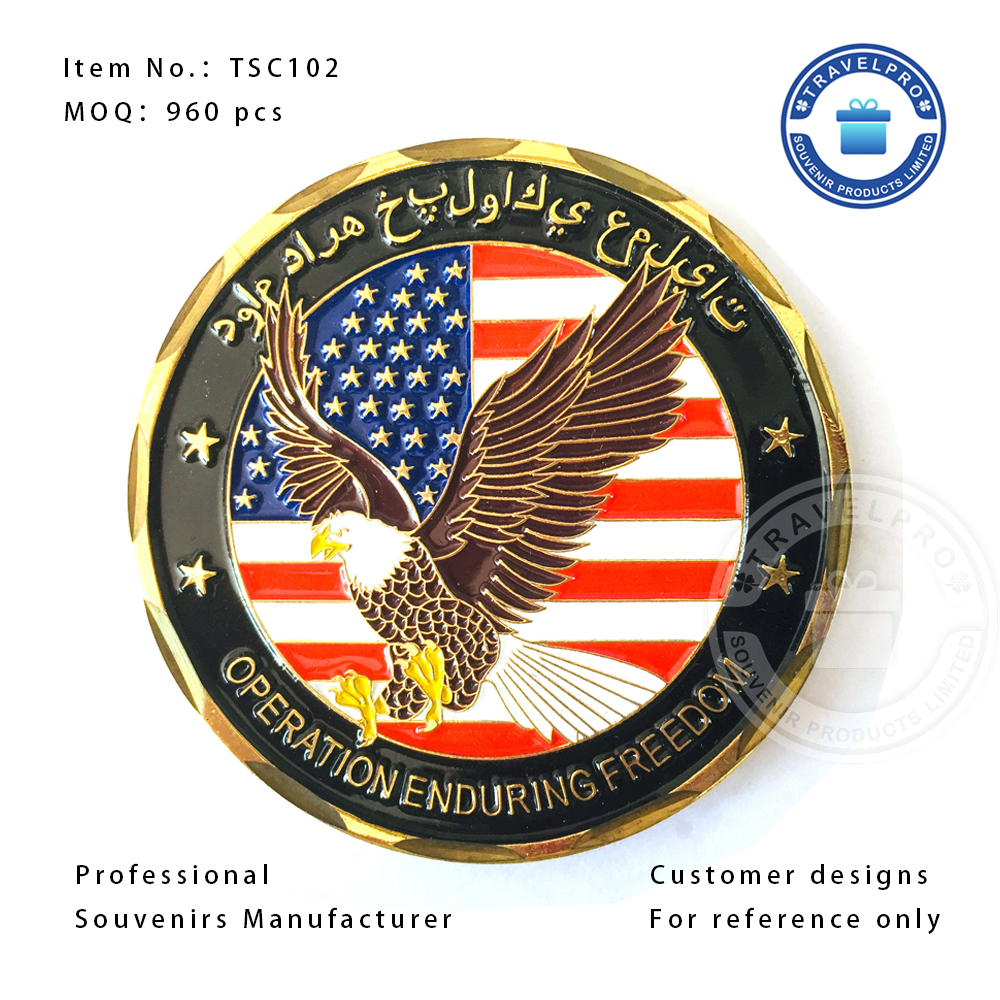
Custom metal goods offer high durability and a premium perception. Products in this tier elevate the shopping experience. Specifically, leveraging a well-crafted commemorative coin or a historically accurate coat of arms medal appeals to serious collectors and history enthusiasts.
These items deliver excellent markup potential. They face no spoilage or seasonality risks. A metal item looks just as appealing in December as it does in July. The implementation reality requires upfront investment. You must pay for custom molds and tooling. Therefore, accurate foot-traffic forecasting becomes necessary to justify the initial expenditure.
Wearable accessories capture the lifestyle segment of your visitor base. These are subtle, lifestyle-integrated items. A bespoke heritage lapel pin or a custom woven textile allows visitors to display their cultural interests elegantly.
This category strongly appeals to adult donors, institutional members, and specialized collectors. It acts as a powerful average order value (AOV) driver. When a member purchases a silk scarf or an enamel pin, they often add smaller items to their basket. This compounds your daily revenue.
Souvenir Category Comparison Chart
| Product Category | Primary Audience | Margin Potential | Inventory Risk Level | Space Efficiency |
|---|---|---|---|---|
| Consumables (Prints, Stationery) | School Groups, Casual Tourists | Low to Medium | Low | Moderate |
| Custom Metal Goods (Coins, Medals) | Collectors, History Enthusiasts | High | Low (No Spoilage) | Very High |
| Wearable Accessories (Pins, Textiles) | Donors, Members, Adults | High | Medium (Size Variations) | Moderate to High |
A scattered product selection confuses buyers and slows inventory turnover. Structuring a cohesive museum gift assortment requires strict evaluation criteria. Use this framework to audit your current retail offerings.
Every product must justify its presence on your shelf. Does the item directly reference a specific artifact? Does it highlight local history or a unique architectural element of your building? If you answer no, the item risks commoditization. Visitors can buy generic historical items anywhere online. They visit your store for exclusive narrative connections. Tie every premium product back to a specific exhibit or gallery story.
You must balance permanent collections against temporary exhibits. Assess whether to order limited-run items for temporary exhibitions. Temporary items drive urgency but carry high dead-stock risks if the exhibit underperforms. Conversely, evergreen stock for permanent collections provides stable, predictable revenue. Limit temporary exhibit merchandise to fast-moving items. Reserve heavy investments in custom tooling for permanent collection highlights.
Physical space costs money. You must evaluate the physical space required for inventory. Apparel requires complex size-variant inventory. Stocking small, medium, large, and extra-large shirts consumes massive backroom shelving. If you run out of medium shirts, you lose sales despite having excess large shirts.
In contrast, metal goods and jewelry offer high revenue-per-square-inch. They fit efficiently into display cases and require minimal backroom storage. Prioritize compact, high-margin items to maximize your limited retail square footage.
Ideas hold little value without flawless execution. Bringing custom merchandise from concept to the display case involves navigating complex logistical realities. Retail directors must manage compliance, timelines, and strict accuracy standards.
Consumer safety stands as a non-negotiable priority for heritage institutions. You must ensure all imported or manufactured goods meet institutional safety standards. This includes verifying lead-free metals in enamel pins and jewelry. It also involves demanding ethically sourced packaging materials. A museum's reputation takes decades to build but can suffer immediate damage from a recalled or unsafe product. Always request material safety data sheets (MSDS) from new manufacturing partners.
Custom manufacturing requires patience and planning. You must factor in the 6 to 12 week lead times typical for custom-tooled bespoke merchandise. Waiting until November to order holiday inventory guarantees missed sales.
Staggering your orders prevents catastrophic out-of-stock scenarios during peak holiday or summer tourism seasons. It also improves your cash flow management.
Heritage retail forgives no historical errors. You must establish a rigorous approval workflow. Museum curators and historians should review physical samples before full production starts. This ensures zero historical inaccuracies in family crests, historical dates, or artifact reproductions.
Follow this standard prototyping workflow:
Your manufacturing partners dictate your retail success. Finding a vendor goes beyond a simple Google search. You need partners who understand institutional constraints and nonprofit operational rhythms.
You must shift your focus from finding the "lowest unit price" to finding "reliability and institutional experience." A cheap vendor who delivers three weeks late costs you more in lost revenue than a premium vendor who delivers on time. Ask potential suppliers if they understand the specific needs of non-profit or heritage retail operations. Do they know how to handle tax-exempt purchasing? Do they have experience recreating historical artifacts accurately?
Never commit to custom tooling blindly. Always demand physical samples of past work. You need to inspect the striking quality on coins. You must examine the enamel fill accuracy on lapel pins. Look for smooth edges, vibrant colors, and durable clasps. If a vendor hesitates to send physical samples, consider it a major operational red flag.
You need concrete numbers to make informed decisions. Initiate vendor conversations by requesting a tiered pricing matrix. Ask for quotes based on 500, 1,000, and 2,500 unit volumes.
Sample Tiered Pricing Matrix (For Internal ROI Modeling)
| Order Volume | Tooling Cost | Per Unit Cost | Target Retail Price | Projected Gross Margin |
|---|---|---|---|---|
| 500 Units | Amortized across batch | Highest | Fixed | Lowest (Acceptable) |
| 1,000 Units | Amortized across batch | Moderate | Fixed | Target Goal (50-65%) |
| 2,500 Units | Absorbed / Waived | Lowest | Fixed | Maximum Profitability |
Use this data to model potential ROI against your annual foot traffic. This mathematical approach removes emotion from the purchasing process.
Profitable museum retail programs do not happen by accident. They are meticulously engineered through careful merchandise selection. A successful strategy respects both the institution's heritage mandate and strict retail economics. Generic products simply cannot deliver the narrative depth your visitors expect.
Prioritize durable, custom-designed items offering high perceived value and low storage overhead. This approach anchors your retail strategy, minimizes inventory risk, and drives consistent revenue. Focus heavily on items providing strong margins without consuming valuable backroom space.
Take proactive steps today. Contact our custom manufacturing team to request a sample pack of heritage-grade retail merchandise. We provide detailed consultations on tooling requirements to help you launch your next successful product line.
A: Most successful heritage institutions aim for a 50% to 65% gross margin. This pricing structure allows adequate room for member discounts while remaining profitable. It ensures the retail operation effectively supports the museum's broader educational initiatives.
A: Not necessarily. While custom tooling carries an upfront cost, the per-unit cost drops significantly at volume. This dynamic often makes the long-term ROI much higher than repeatedly sourcing generic, pre-made goods that yield lower retail margins.
A: Adopt a core-and-flex strategy. Maintain 70% of your inventory as evergreen bespoke items, such as a heritage lapel pin of the museum building. Allocate the remaining 30% to adaptable, lower-cost items like prints and pencils tailored to rotating exhibits.
A: Design to delivery typically takes 4 to 8 weeks depending on the material and tooling complexity. Institutions should finalize holiday or peak-season orders at least three months in advance to avoid stockouts.

