
Views: 0 Author: Site Editor Publish Time: 2026-08-19 Origin: Site


Stocking a profitable retail environment requires moving beyond generic trinkets to curate a cohesive, high-converting merchandise mix. You need items offering genuine value to everyday travelers. Tourists consistently seek tangible, durable memories of their vacations. However, retailers must balance this emotional demand with highly practical constraints. You must manage shelf-space efficiency, ensure healthy profit margins, and maintain rapid inventory turnover. Finding the right product mix remains crucial for seasonal success. Store managers often struggle to fill shelves effectively without risking unwanted dead stock. This guide breaks down the essential product categories, evaluation criteria, and sourcing strategies needed to build a resilient and profitable coastal inventory. We explore practical ways to source smarter and merchandise better. You will discover exactly how to optimize checkout spaces for maximum retail profitability.
Retail buyers face immense pressure when selecting beach gift shop products. You cannot simply stock shelves with random seashells. You must apply strict evaluation criteria to every single item. This ensures each product justifies its physical space on your floor.
What to watch out for: Avoid stocking overly trendy items lacking local context. They often become unsellable dead stock once a viral trend fades away.
Curating a truly cohesive coastal souvenir collection requires strict categorized planning. You must offer varied price points and item types. This caters to different tourist demographics effectively. Let us examine the core merchandise categories you need.
Clothing remains a massive revenue driver for resort retail. Focus your buying budget on sun-protective gear, embroidered hats, and premium tees. Travelers often forget to pack these essential items. They buy them out of immediate necessity. However, wearables require significant floor space. They also demand complex sizing inventory management. You must maintain neatly folded stacks or clearly marked hangers to avoid a messy floor. You must achieve high sell-through rates to justify stocking extensive apparel lines.
This category appeals heavily to the adult demographic. Mature buyers look for subtle, aesthetic reminders of their trip. Include coastal-scented candles, tropical wood bowls, and woven baskets. Look for colors like seafoam green, sand, and ocean blue. These items blend easily into everyday household environments. They offer high perceived value. Customers willingly pay premium prices for well-crafted home goods.
Never underestimate the power of the checkout line. Small, packable novelties positioned near the register drive massive volume. They present a very low financial barrier to entry for the buyer. Consequently, they deliver high sales volume for the retailer. These items require minimal display space.
Category Merchandising Comparison
| Category Type | Floor Space Requirement | Average Profit Margin | Primary Customer Appeal |
|---|---|---|---|
| Apparel & Wearables | High (Racks, Shelving) | Medium to High | Necessity & Status |
| Home & Living | Medium (Tables, Displays) | High | Aesthetic Memory |
| POS Impulse Items | Low (Counter Spinners) | Very High | Last-Minute Gifting |
Impulse buys represent the most profitable segment of retail operations. You must optimize your checkout counter meticulously. This specific space captures crucial last-minute vacation spending. Families frequently purchase small gifts for multiple people back home. They look for easy, affordable solutions while waiting in line.
Vacationers experience a specific psychological state before leaving a destination. They feel an urgent need to capture memories. Shoppers also experience fatigue after long days at the beach. Small, easily packable items satisfy their emotional urge perfectly. Furthermore, parents often buy low-cost items to appease impatient children. Placing these quick-grab goods at eye level maximizes conversion rates effortlessly.
You must use vertical space efficiently. Spinner racks and tiered counter displays work best. They allow you to showcase dozens of items in a tiny footprint. Rotate this merchandise frequently to keep the display looking fresh. Cluttered counters overwhelm buyers, so maintain organized, well-stocked fixtures constantly.
Consider how an ocean theme keychain serves as a low-risk, high-reward product. Keychains cost very little to source. They take up practically zero luggage space. Yet, they carry standard Keystone markup pricing effortlessly. They offer incredible profit margins per square inch.
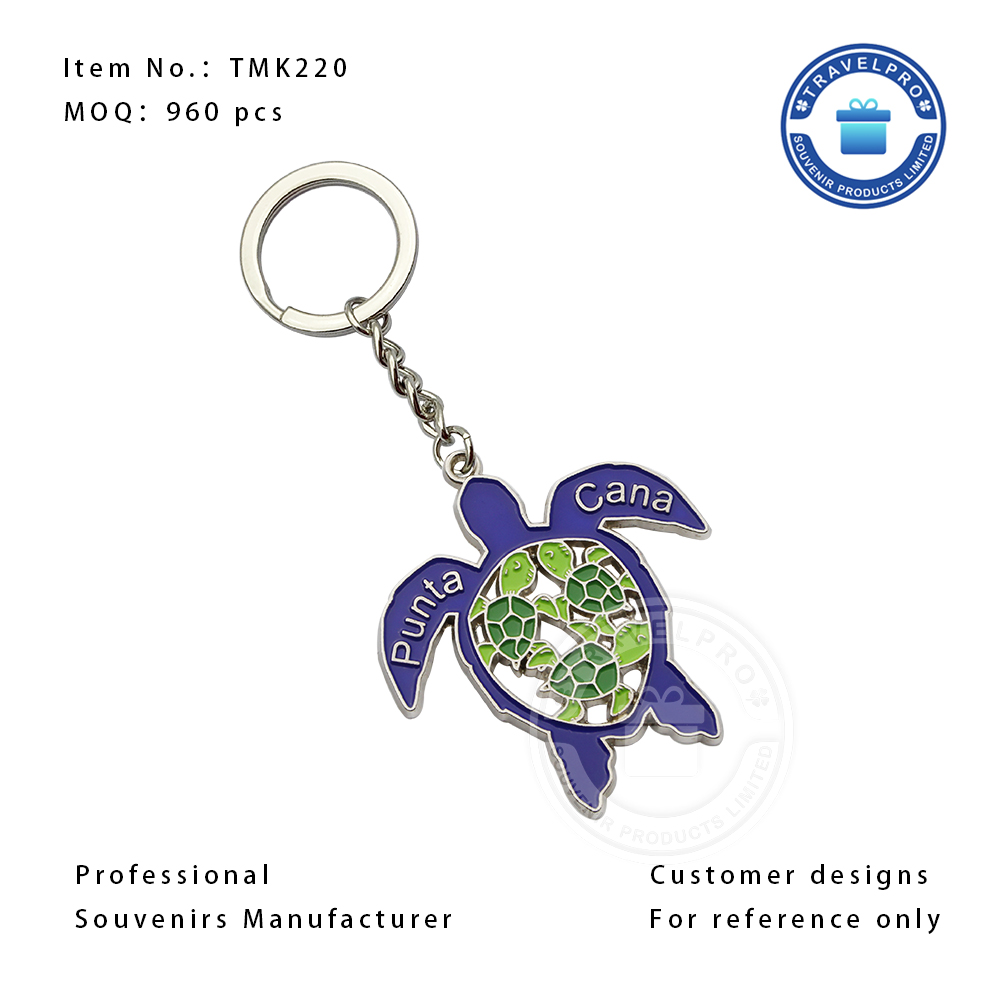
Collectibility also drives repeat purchases reliably. There is consistent demand for specific animal motifs. For example, a high-quality turtle souvenir keychain appeals strongly to wildlife enthusiasts. It also attracts younger demographics who favor specific sea creatures. Niche animal designs create an immediate emotional connection. This connection bypasses price sensitivity completely during the final transaction.
Your retail success relies heavily on your supply chain. Sourcing reliable wholesale coastal souvenirs requires careful vetting. Do not select vendors based purely on the lowest wholesale price. Cheap goods often cost more eventually due to returns and breakage.
Modern consumers care deeply about product origins. They avoid brittle, low-grade plastics. Sourcing items utilizing sustainable or non-toxic materials is now essential. Low-quality merchandise damages your brand reputation permanently. Request physical samples before placing bulk orders. Inspect the weight, finish, and overall durability of each item carefully.
Cash flow remains king in seasonal retail. You must balance the need for diverse product counts against financial constraints. High Minimum Order Quantities tie up vital capital unnecessarily. Look for suppliers offering manageable MOQs. This allows you to test new product lines without massive financial risk. Additionally, verify their average fulfillment speeds during peak summer months. Slow shipping costs you sales.
Customization separates standard shops from premium boutiques. You must vet wholesalers based on their personalization skills. Can they accurately and durably apply local town names? Can they print your specific shop logo clearly? Ask about their lead times for custom runs. Excessive delays on custom orders can ruin your peak season sales.
Supplier Vetting Checklist:
Even experienced buyers make merchandising mistakes occasionally. Understanding common pitfalls helps you protect your inventory investment. Avoid these critical errors when planning your seasonal floor displays.
Many retailers over-index on glass items or delicate sea shells. This creates the dreaded fragility trap. Delicate items look beautiful on shelves but break easily. This leads to high shrinkage rates on the sales floor. It also causes damage during transit when tourists pack them. If an item breaks easily, it fails the basic utility test. Stick to robust materials whenever possible.
You must understand your local foot traffic intimately. Do not stock expensive luxury items in a high-traffic, quick-turnover family zone. Conversely, do not fill a high-end resort boutique with cheap plastic novelties. Misaligned pricing confuses customers and stifles sales. Match your product quality and price points directly to your core demographic.
Timing dictates retail success heavily. Failing to order seasonal inventory early enough destroys potential revenue. For instance, coastal Christmas ornaments require early ordering. You must engage the B2B buying cycle months in advance. Late orders result in empty shelves during peak shopping weeks. Create a strict buying calendar and hold your team accountable to it.
Building a reliable coastal inventory requires strict evaluation of margin, durability, and customer utility. You cannot rely on guesswork when ordering seasonal goods. Success demands careful spatial planning and rigorous supplier vetting. Every square inch of your shop must generate predictable revenue.
Take immediate action to improve your upcoming season. First, audit your current floor plans for slow-moving dead stock. Discount and clear these items immediately. Next, prioritize high-margin, low-footprint products for your prime checkout spaces. Finally, request material samples from shortlisted wholesale vendors right away. Do this before committing to any large bulk purchase orders.
A: The ideal markup typically ranges from 50% to over 70%. Retailers widely use Keystone pricing as a baseline. However, high-volume impulse items often sustain much higher multipliers. Small novelties and keychains can easily carry a 300% markup due to their low wholesale cost and high perceived convenience.
A: Orders should typically be finalized in the first quarter (Q1). This schedule accounts for overseas manufacturing times and potential shipping delays. It also ensures you receive goods in time for early spring merchandising rollouts. Ordering late risks missing the crucial early-season tourist wave entirely.
A: You should allocate 70% to 80% of your open-to-buy budget to reliable evergreen staples. These include mugs, standard apparel, and keychains. Reserve the remaining 20% to 30% for seasonal or viral trends. This balanced ratio captures new interest while strictly mitigating your overall dead-stock risk.

