
Views: 0 Author: Site Editor Publish Time: 2026-08-25 Origin: Site


Displaying silver or silver-plated items presents a primary friction point for collectors everywhere. Exposing them to hydrogen sulfide in the air triggers inevitable oxidation. This chemical reaction leaves dark, unsightly blemishes across beautifully crafted surfaces. While polishing temporarily removes these marks, it also strips away microscopic layers of the actual metal. Relying on constant abrasive cleaning will eventually ruin delicate engravings and historical hallmarks. Long-term preservation requires a strategic barrier to halt this continuous degradation. You must choose between a chemical finish, a physical coating, or an atmospheric shield to stop the decay. We will evaluate these protective solutions based on your collection value, display needs, and personal risk tolerance. You will learn how to safeguard your investments without sacrificing their historical or aesthetic integrity.
Many collectors misunderstand the exact nature of silver degradation. They treat dark spots as accumulated dirt. However, tarnish actually represents a destructive chemical reaction. When silver interacts with ambient hydrogen sulfide, it forms silver sulfide. This dark compound physically consumes the base metal layer by layer. Proper souvenir spoon care requires addressing this chemical reality rather than just scrubbing away the visible symptoms.
Traditional polishing compounds exact a heavy toll on delicate items. Even mild pastes act like liquid sandpaper. They physically strip away the silver sulfide layer, but they also take pure silver along with it. This abrasive toll poses a catastrophic risk to silver-plated items. Aggressive polishing quickly removes the thin silver layer entirely. Once you expose the underlying brass or copper, the piece loses its original charm and monetary value. You cannot polish away brass oxidation using silver cleaners.
You must also differentiate between destructive tarnish and desirable patina. A high-quality antique silver spoon relies on dark, oxidized recesses to provide visual depth. This targeted oxidation highlights intricate floral patterns, city crests, and engraved lettering. Aggressive chemical dips strip away this beneficial patina entirely. They leave the metal looking flat, unnaturally white, and artificially new. The character of an antique relies heavily on this natural contrast.
A viable protective finish must meet strict success criteria. It must completely halt hydrogen sulfide exposure. It cannot destroy existing patina or alter the core integrity of the metal. Furthermore, it should never require highly abrasive removal methods in the future. Any solution failing these tests will ultimately do more harm than the natural oxidation process itself.
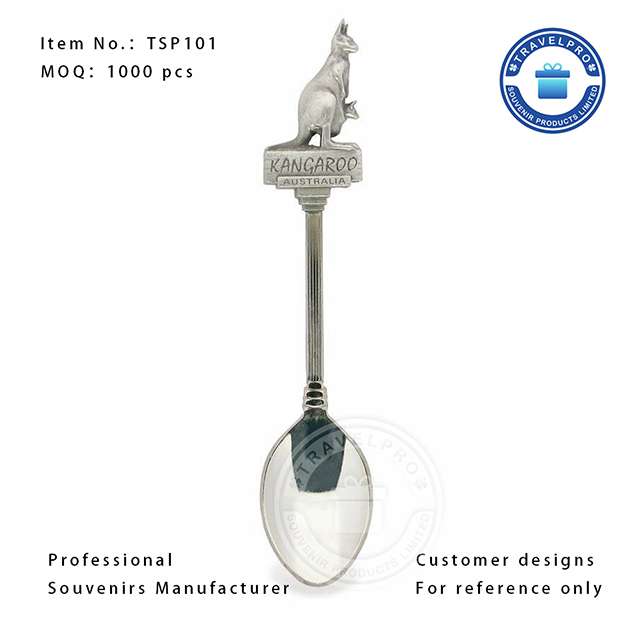
Collectors can categorize protective barriers into three distinct methodologies. Each approach balances durability against reversibility. Understanding the underlying chemistry helps you match the right barrier to the right artifact.
Microcrystalline waxes serve as the gold standard for historical preservation. Institutions worldwide rely on these refined petroleum byproducts. They provide a highly stable, pH-neutral physical barrier against moisture and airborne pollutants.
The primary advantage lies in total reversibility. You can remove the wax effortlessly using simple mineral spirits. It never alters the appearance of the metal beneath it. The wax remains optically clear and highly affordable. However, this method requires regular maintenance. You must reapply the wax if you handle the piece frequently. Body heat and friction wear the barrier down. Furthermore, its low melting point limits its usefulness in high-heat display environments.
Lacquers and electrophoretic coatings (e-coatings) offer a more robust physical shield. Manufacturers formulate these specialized nitrocellulose or acrylic resins specifically for metals. They spray the lacquer directly onto the surface or use electrical currents to bond the acrylic uniformly.
A properly applied protective metal finish from this category can last for decades without reapplication. It creates a hard, impermeable shell against severe environmental factors. Yet, the application process demands absolute perfection. Any trapped moisture or fingerprint oil will cause the silver to tarnish beneath the clear coat. Removing old, failing lacquer proves exceptionally difficult. Inferior consumer-grade lacquers will inevitably peel, flake, or turn yellow when exposed to natural UV light.
Precious metal plating offers the ultimate defense against chemical degradation. Jewelers electroplate a microscopic layer of highly unreactive metal over the existing silver. Rhodium, a member of the platinum family, serves as the most popular choice for this process.
This technique creates an almost permanently tarnish resistant souvenir spoon. It boasts exceptional durability against scratching and handling. Rhodium also imparts a brilliant, highly reflective white-silver shine. However, the drawbacks are significant. The process requires expensive professional jewelry equipment. It permanently alters the surface composition of the metal. Because it completely changes the historical integrity of true antiques, you should never apply rhodium to rare numismatic artifacts.
Table 1: Comparison of Silver Protection Methods
| Finish Type | Reversibility | Durability | Best Use Case | Visual Impact |
|---|---|---|---|---|
| Microcrystalline Wax | 100% (Mineral Spirits) | Low (Requires upkeep) | Rare Antiques & Heirlooms | Invisible / Natural |
| Clear Metal Lacquer | Moderate (Chemical Strippers) | Medium (5-10 years) | Wall Displays | High Gloss / Can yellow |
| Rhodium Plating | None (Permanent) | Very High (Decades) | Modern Manufacturing | Brilliant White-Silver |
Selecting the correct approach requires assessing the primary purpose of your item. You must weigh appraisal value against your own maintenance limitations. Follow this framework to determine the safest preservation route.
If you own rare historical pieces, you must prioritize non-destructive methods. We recommend combining microcrystalline wax with sulfur-free storage environments. This approach preserves the historical integrity of the piece entirely. Appraisers scrutinize surfaces for original manufacturing hallmarks and natural wear patterns. Any permanent collectible spoon plating or thick lacquer layer will heavily degrade the appraisal value. Museum wax ensures the item remains fundamentally unchanged while staying safe from atmospheric decay.
Many hobbyists mount decorative pieces on exposed wooden racks in their dining rooms or hallways. These open-air environments expose the metal to cooking fumes, humidity, and constant dust. For low-to-medium value items, we recommend applying a high-grade clear metal lacquer.
This strategy eliminates the frustrating need for weekly dusting and abrasive polishing. In high-exposure environments, aesthetic consistency generally matters more than raw antique value. A quality acrylic spray keeps the display looking bright and uniform. You save dozens of hours in manual labor each year.
Contemporary manufacturers face different challenges when designing new products. End consumers expect zero-maintenance items straight out of the box. For modern manufacturing, rhodium plating or utilizing a stainless steel base composition works best.
Incorporating tarnish resistance at the factory level ensures maximum customer satisfaction. The end user never has to purchase specialized cleaning pastes. The thick rhodium layer withstands daily handling and occasional washing. It delivers a brilliant shine mimicking pure silver without the chemical fragility.
Steps to Evaluate Your Collection:
The internet contains countless DIY preservation methods that actively destroy silver. You must approach forum advice with extreme skepticism. Using the wrong household chemical will cause irreversible pitting and discoloration.
Many amateur blogs recommend painting silver handles with clear nail polish to lock out the air. You must avoid this destructive hack entirely. Standard cosmetics lack the UV inhibitors found in industrial metal lacquers. Within months, the nail polish undergoes severe yellowing. It develops microscopic cracks as it dries and shrinks. These cracks pull moisture and sulfur directly against the silver, trapping oxidation underneath the hardened polish. Removing this mess requires harsh acetone scraping, which inevitably scratches the delicate metal.
Liquid tarnish removers promise instant results. They use aggressive acids (often thiourea) to strip away silver sulfide in seconds. However, you should never use these dips prior to applying a finish. The acid creates a microscopically pitted surface on the metal. It strips away all desirable patina from the recessed engravings. If your subsequent protective coating ever fails, this porous, pitted surface actually accelerates future tarnishing. It provides more surface area for sulfur compounds to attack.
Applying any barrier requires a surgically clean surface. You must implement a multi-step degreasing process before using any wax or lacquer. Wash the item gently, dry it completely, and wipe it down with pure acetone or denatured alcohol. You must wear nitrile gloves during this entire process. Human skin constantly excretes squalene, salts, and fatty acids. If you leave a single fingerprint on the metal before sealing it, those trapped oils will etch the silver permanently. The fingerprint will eventually oxidize underneath the clear coat, ruining the display.
Common Prep Mistakes to Avoid:
Sometimes, the best finish is no finish at all. Every physical coating eventually fails, wears down, or requires maintenance. If you want a completely zero-risk approach, you must focus on the air surrounding the collection.
Physical barriers inherently alter the tactile experience of handling metal. Wax feels slightly tacky under warm fingers. Lacquer feels like plastic. Plating looks slightly too reflective compared to historic silver. If you demand the authentic look and feel of bare metal, you must rely on atmospheric control.
You can achieve pristine preservation by creating sealed micro-environments. Evaluate the return on investment of specialized storage solutions. Anti-tarnish cloth represents a major breakthrough in archival science. Manufacturers infuse this soft fabric with microscopic copper or silver particles. These sacrificial particles absorb ambient sulfur before it can reach your collection. Wrapping items in this cloth guarantees long-term stability.
Airtight acrylic display cases offer another excellent alternative. By placing silica gel desiccants inside the case, you eliminate the moisture necessary for rapid oxidation. You get the benefit of a stunning visual display without altering the artifacts themselves.
You can also deploy passive airborne sulfur absorbers inside standard wooden display cabinets. A small block of natural camphor wood slowly emits vapors that repel moisture and neutralize some atmospheric threats. Alternatively, small hidden pouches of activated carbon aggressively filter hydrogen sulfide from the enclosed air. These zero-risk alternatives protect the physical surface of the metal while keeping it readily accessible for inspection.
Determining the ultimate defense against oxidation depends entirely on your specific collection. You must weigh the monetary value of each artifact against your own tolerance for ongoing maintenance. Museum-grade microcrystalline wax offers the safest, most reversible protection for rare antiquities. Industrial clear lacquers provide excellent labor-saving solutions for low-value decorative wall displays. Meanwhile, precious metal plating serves as the ultimate permanent barrier for modern, daily-use items.
We advise all collectors to default to the least invasive methods first. Rely on controlled storage and pH-neutral waxes unless your pieces are strictly decorative. Take inventory of your current collection today. Sort your pieces by their historical appraisal value versus their aesthetic decorative value. Always test your chosen cleaning and finishing methods on a damaged or duplicate item before touching your prized possessions. Careful planning ensures your collection remains brilliantly preserved for the next generation.
A: Yes. Serious numismatists and antique appraisers penalize permanent or difficult-to-remove coatings. Lacquers physically alter the original surface texture and can obscure microscopic manufacturer hallmarks. They also prevent the natural, highly prized development of a subtle patina.
A: On a display-only item sitting in a cabinet, rhodium plating is effectively permanent. It will not degrade from air exposure. However, if you handle or wash the piece frequently, the plating may thin over several decades due to mechanical friction.
A: No. Automotive waxes often contain mild chemical abrasives, synthetic polymers, and heavy fragrances. These ingredients can chemically react with sensitive silver or leave a cloudy, stubborn residue. You should only use pH-neutral, microcrystalline archival waxes on precious metals.
A: Wash the item gently with mild dish soap and dry it completely. Afterward, wipe the entire surface thoroughly with pure acetone or 99% isopropyl alcohol. You must wear nitrile gloves during this step to ensure zero skin oils remain trapped on the metal.

