
Views: 0 Author: Site Editor Publish Time: 2026-09-03 Origin: Site


Digital campaigns excel at driving initial awareness for Destination Marketing Organizations (DMOs) and city councils. We rely heavily on targeted ads and short-form video reels to capture traveler attention. However, physical touchpoints remain the ultimate driver of lasting brand recall and passionate visitor advocacy. Modern travelers scroll past thousands of digital ads daily. Tangible objects cut through this overwhelming digital noise.
Many campaigns stumble by distributing poorly chosen, generic promotional items. These forgettable trinkets often end up discarded. This waste actively dilutes a city’s vibrant brand identity. Conversely, a strategic product mix extends the lifespan of your campaign long after the visitor packs their bags and heads home. High-quality items serve as permanent reminders of memorable travel experiences.
This comprehensive guide serves as a practical framework for your next initiative. You will learn exactly how to select, evaluate, and source the right physical assets. We will explore scalable solutions to elevate your brand presence. You can confidently build a merchandise strategy aligned precisely with your destination marketing objectives.
Modern destination marketing goes far beyond digital impressions. We now operate in a deeply omnichannel environment. Screens fade quickly, but tangible objects sit on desks and refrigerators for years. You need physical assets for influencer mailers, trade show distributions, and on-the-ground visitor interactions. Unboxing physical gifts generates authentic reactions from travel influencers. Aligning your tourism campaign merchandise with specific marketing goals transforms simple giveaways into powerful engagement tools.
What makes these physical items genuinely effective? Success requires defining clear, measurable metrics. Cost-per-impression matters deeply in budget planning. A well-placed item generates daily views at a fraction of digital ad costs. We also look closely at social media sharing rates. Cleverly designed objects trigger user-generated content naturally. Visitors love photographing unique mementos against scenic backdrops. Finally, durability and retention rates indicate long-term value. Flimsy items get tossed quickly. Quality pieces become cherished personal keepsakes.
You must segment your target audiences carefully before placing orders. Mass visitor giveaways require low-cost, high-appeal items. These distribute easily at busy transit hubs or downtown visitor information centers. B2B event planner gifts demand higher perceived value. You need premium assets to secure lucrative MICE (Meetings, Incentives, Conferences, and Exhibitions) contracts. Local ambassador kits equip passionate residents to promote their own city organically.
Best Practice: Always map your merchandise tiers to specific audience segments before setting a manufacturing budget. Do not distribute premium corporate gifts at high-traffic street festivals.
A successful product mix balances budget constraints against perceived consumer value. You must select specific city tourism souvenirs to match precise campaign utilities. Relying on a single product type limits your marketing reach severely. Let us explore the core solution categories used by top DMOs globally.
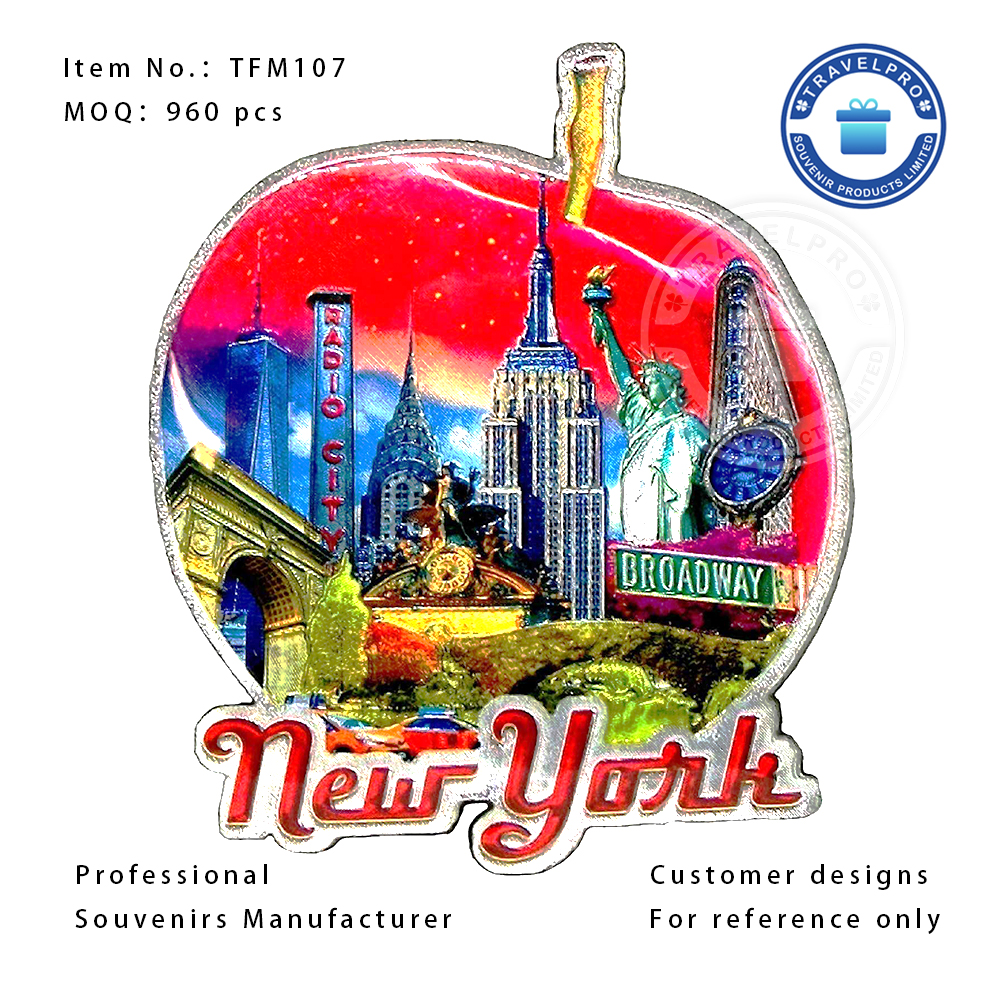
You need highly visible items to cast a wide demographic net. These assets offer maximum reach for minimal individual investment. Consider the city landmark magnet as the ultimate low-barrier promotional tool. Tourists instinctively purchase or collect them during trips. Refrigerator placement guarantees daily brand impressions in a visitor's home for years. This translates to an incredibly low cost-per-impression. They pack efficiently and ship cheaply.
Similarly, the destination keychain serves as a highly functional, mass-distributable asset. People attach them to house keys, everyday backpacks, or checked luggage. They act as mobile billboards wherever the traveler goes. Keychains are ideal for travel expos, hotel partner check-in gifts, or quick transit hub activations. Their utility ensures they rarely end up in the trash.
Moving up the value chain, experiential pieces encourage active tourist participation. We frequently use the souvenir coin for gamified marketing campaigns. Imagine launching a dedicated city passport program. Visitors must explore five distinct historic sites to earn their exclusive city coin. The tangible reward motivates them to complete the journey.
Collectible items actively drive specific visitor behaviors. They incentivize tourists to venture beyond crowded main squares. This strategy increases dwell time in emerging target districts. It spreads economic impact more evenly across the municipality. Gamification turns passive sightseeing into an interactive challenge.
Mass giveaways do not impress corporate VIPs or high-net-worth travel buyers. You need higher-tier items for travel agents, industry influencers, and corporate event planners. These professional audiences control massive group travel decisions. A cheap plastic pen will not win a million-dollar conference contract.
Consider offering custom metal desk models representing iconic local architecture. Premium branded apparel also works exceptionally well in this tier. These sophisticated gifts signal prestige and professionalism. They help your sales team secure lucrative trade show leads by standing out from generic vendor booths.
Your merchandise strategy must reflect your destination's exact size and budget. A global metropolis requires a vastly different approach compared to a boutique coastal town. We evaluate this product mix across several critical planning dimensions. Treating every destination identically leads to massive inefficiencies and wasted spend.
Small cities and niche destinations thrive on hyper-local storytelling. You should allocate your budget toward smaller production runs. Focus on highly bespoke items. Highlight unique local heritage rather than ordering generic tourist trinkets. Authentic narratives resonate deeply here. A mining town might distribute custom copper artifacts. A maritime village could offer polished sea glass pendants. Niche destinations win through distinct character.
Mega-destinations face entirely different administrative hurdles. Your primary concerns shift rapidly to scalability and logistics. You must order high volumes and enforce strict quality control standards. Supplying multiple bustling visitor centers and dozens of partner hotels simultaneously demands a robust supply chain network. You cannot afford inventory stockouts during peak summer travel months.
We highly recommend implementing data-driven distribution models. DMOs should analyze visitor footfall data meticulously. Use this information to determine exactly how many units of each product tier to order. Historical data prevents expensive overstocking. It also eliminates frustrating inventory shortages during major city festivals.
| Strategy Dimension | Small City / Niche Destination | Mega-Destination |
|---|---|---|
| Primary Campaign Goal | Hyper-local storytelling and unique heritage building. | Scalability, brand omnipresence, and logistical efficiency. |
| Production Volume | Low volume (smaller runs), highly bespoke items. | High volume (mass production), standardized quality items. |
| Budget Allocation | Heavily weighted toward premium, narrative-rich artifacts. | Split evenly to feed massive transit hubs and multi-site centers. |
| Distribution Strategy | Direct engagement at local museums or boutique hotels. | Data-driven distribution across dozens of partner networks. |
Procuring physical assets carries inherent financial and reputational risks. We see many organizations stumble during the final implementation phase due to oversight. Proper planning requires anticipating these hurdles. Let us examine what typically goes wrong and how you can proactively mitigate these issues.
Brand dilution represents a severe threat to your city's reputation. Using cheap materials actively harms your destination's premium image. Flaking enamel, easily scratched surfaces, or flimsy metals tell visitors you do not value their experience. If the promotional item feels cheap, the destination itself feels cheap. Always invest in materials reflecting your city's true caliber.
Compliance and safety remain completely non-negotiable. Mass-giveaway items must meet stringent regional consumer product safety standards. You must verify the use of lead-free metals and non-toxic plastics. This becomes especially critical if your items are easily accessible to young children. Ignoring safety regulations invites catastrophic legal liabilities. It can destroy a successful campaign overnight.
Supply chain vulnerabilities often catch novice buyers completely off guard. Manufacturing lead times fluctuate wildly based on global demand. Freight delays occur frequently due to port congestion or routine customs inspections. You must order inventory three to four months ahead of your peak tourist season. Waiting until the last minute guarantees expedited shipping fees and high stress.
Common Mistake: Approving a digital PDF render without ever holding a physical prototype. Always request a physical sample to test weight, color accuracy, and material durability before authorizing mass production.
Selecting the right manufacturing partner dictates your campaign's ultimate success. You need a structured approach to evaluate potential merchandise vendors carefully. We rely on a specific shortlisting logic to separate industry leaders from unreliable middlemen. A good partner anticipates problems before they disrupt your timeline.
Here is a proven checklist for evaluating merchandise manufacturing partners:
What should destination decision-makers do next? Take immediate, action-oriented steps. First, audit your upcoming campaign calendar to identify key distribution events. Second, define your exact tier budgets carefully. Separate your mass giveaways from premium B2B gifts. Finally, request technical drawings and comprehensive quotes from at least three vetted manufacturers.
This structured approach minimizes procurement risk. It guarantees you receive high-quality assets tailored perfectly to your destination. Planning ahead gives you the leverage to negotiate better terms and secure optimal delivery windows.
A successful product mix requires thoughtful strategy, not simply buying the cheapest items available in a promotional catalog. You are strategically deploying physical assets that act as miniature billboards for your destination. Every item distributed reflects your city's core identity. Keep these final takeaways in mind as you plan your next campaign:
Your next move is to map out your upcoming tourism initiatives clearly. Categorize your target audiences, evaluate your budgets, and start sourcing tangible assets. Choose merchandise that genuinely reflects your city's unique cultural character and vibrant heritage.
A: Typically 4-8 weeks depending on mold complexity and freight method. Ocean freight takes longer than air freight. We recommend ordering at least three months in advance to account for any unexpected customs delays or required design revisions during the sampling phase.
A: Track via QR codes on packaging, associated social media hashtags, or linked digital activations. You can also measure the increase in foot traffic to specific districts during gamified scavenger hunts. Tracking B2B gift ROI involves monitoring post-event lead conversions.
A: Varies by material, usually starting at 500-1000 units for custom metalwork to offset die-casting costs. Some vendors may offer lower MOQs for simple printed items, but custom 3D shapes require higher volumes to keep the individual unit cost economically viable.

