
Views: 0 Author: Site Editor Publish Time: 2026-08-28 Origin: Site


Sending delicate mementos across borders requires more than just standard cardboard. International transit involves multiple touchpoints, mechanized sorting, and prolonged vibration. Standard domestic packing materials simply cannot handle these intense physical stresses.
When fragile goods shatter during transit, businesses face both steep financial losses and frustrated customers. Furthermore, improper packing materials often trigger unexpected customs delays or costly border inspections. We must look past basic bubble wrap to secure these shipments properly.
This guide provides a technical evaluation of professional-grade packaging strategies. You will learn how to select robust materials, ensure cross-border compliance, and design secure internal architectures. Follow these engineering principles to ensure your fragile goods arrive perfectly intact.
Cross-border shipments face extreme physical challenges from origin to destination. Defining this threat environment helps us engineer better solutions. High-altitude cargo flights cause rapid atmospheric pressure changes. This sudden shift can force liquids out of unsealed containers. It can also crack delicate ceramic glazes.
Mechanized conveyor belts introduce sudden impact shocks at distribution centers. Parcels often drop from significant heights during automated sorting processes. Moving these heavy loads requires machinery. Forklifts add severe crush risks inside busy warehouses. We must anticipate these constant G-force events.
Assessing item fragility is the crucial first step. We categorize objects to determine their specific vulnerabilities:
Effective breakage prevention requires strict spatial engineering. You must follow the strict box-in-a-box rule. Always maintain a two-inch minimum clearance between your internal item and the outer box wall. This specific gap acts as a crucial deceleration zone.
When a carton falls, the outer shell absorbs the initial kinetic energy. The two-inch void space then disperses the remaining shock before it reaches the core. Without this engineered buffer, external impacts transfer directly into your fragile goods. You cannot skip this structural requirement for international air freight.
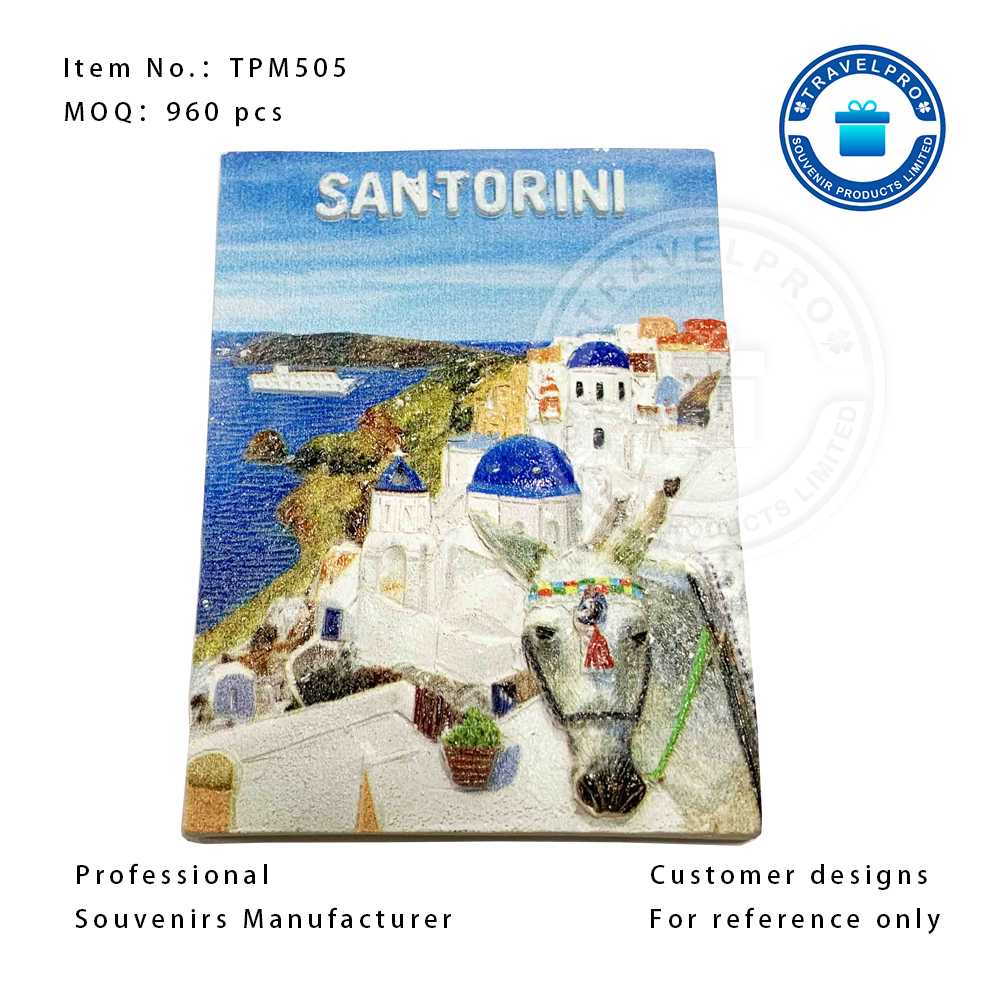
High-value items demand engineered primary containment. Investing in custom souvenir boxes yields an excellent return on investment. Bespoke die-cut inserts grip the internal item tightly. They eliminate dangerous internal movement entirely. Generic boxes cost less initially but often result in significantly higher damage rates.
Structural integrity matters immensely for outer containment. Single-wall corrugated board works only for very light domestic trips. For long-haul air and sea freight, you must use double-wall or triple-wall corrugated board. These thicker walls resist severe compression under heavy pallet stacks. They withstand the damp conditions often found inside marine containers.
Internal cushioning acts as your main defense against shock. However, not all shock absorbers perform equally. Air pillows are cheap and light. Unfortunately, they frequently pop under altitude pressure changes. Packing peanuts seem inexpensive but present major structural problems. They shift around continuously during transit, leaving your items vulnerable to edge impacts.
Custom foam-in-place technology offers the absolute highest security level. The chemical foam expands rapidly to cradle the exact item shape. It costs more upfront but prevents nearly all internal movement.
| Void Fill Type | Primary Benefit | Main Drawback | Best Use Case |
|---|---|---|---|
| Standard Air Pillows | Very lightweight | Pops under air pressure changes | Ground shipping for non-fragiles |
| Packing Peanuts | Low cost | Shifts during transit | Filling large, irregular empty spaces |
| Molded Pulp | Eco-friendly | Requires custom tooling | High-volume uniform items |
| Foam-in-Place | Maximum impact security | Highest material cost | High-value, highly fragile goods |
We recommend using molded pulp or rigid polyurethane foam for heavy, brittle items. For lighter goods, engineered large-cell bubble wrap performs exceptionally well.
Good souvenir packaging addresses surface risks too. Constant rubbing causes severe friction damage over thousands of miles. Wrap delicate surfaces in acid-free tissue paper first. Acid-free materials prevent chemical tarnishing over long voyages. Next, seal the wrapped item inside a high-density polyethylene bag. This plastic barrier prevents moisture ingress if the shipping container faces high humidity.
International borders enforce strict biosecurity regulations. Raw wood crates often trigger immediate customs holds. Border agencies actively search for invasive pests hiding in untreated timber. Certain agricultural by-products, like straw packing materials, also face immediate bans in many countries.
To pass inspections smoothly, your export souvenir packaging must comply with international standards. Any wooden crates or pallets must carry a visible ISPM-15 stamp. This mark proves the timber underwent proper heat treatment or chemical fumigation. Without it, officials will destroy your shipment or return it at your expense.
Border agents will open boxes if they suspect compliance issues. You need a secure setup that allows non-destructive inspections. Avoid binding delicate items with dozens of thick zip-ties. Agents will simply cut them and leave the item completely loose in the box.
Use clear acrylic tape where possible. Design internal protective sleeves that agents can slide off and replace easily. When inspectors can examine the item quickly, they are far more likely to repack it correctly.
Best Practices: Include a detailed packing slip inside the physical box. Place a duplicate copy in a clear waterproof pouch on the exterior.
Common Mistakes: Wrapping primary display cases in dark, opaque shrink wrap. This forces border agents to slice the material blindly, often scratching the product inside.
Mismatched paperwork causes operational chaos at the border. Your commercial invoice must precisely match your packaging inventory. If an invoice lists five items but agents only see four immediately, they will dig. This invasive searching ruins carefully engineered protective architectures. Clear, transparent documentation prevents unnecessary repacking damages.
Transitioning from individual parcels to pallets introduces entirely new operational hurdles. You cannot scale ad-hoc void fill efficiently. High-volume operations require standardized, custom-fitted solutions. Packing a single vase takes five minutes. Packing a thousand vases demands predictable, repeatable workflows.
Carriers charge based on box size, not just actual weight. This pricing model relies on dimensional weight. Empty space kills your shipping budget rapidly. You must engineer containment that maximizes physical protection while minimizing external dimensions. Tightly designed foam inserts achieve this precise balance.
Reducing an outer box size by just one inch all around drastically lowers international freight costs. This simple dimensional optimization directly impacts your overall bulk gift shipping profitability.
Multiple boxes on a pallet must act as one solid block. Unitizing shipments correctly prevents catastrophic warehouse accidents. Follow these specific steps to secure bulk pallets:
This unitized approach prevents individual boxes from shifting. It stops cartons from crushing under their own weight. Most importantly, it stops loose boxes from falling off fast-moving forklifts during busy terminal transfers.
Choosing the right logistics provider is a crucial business decision. Evaluate their specific custom crating capabilities first. Do they employ in-house structural packaging engineers? Ask them to demonstrate their material testing protocols.
Check their declared value coverage limits carefully. Some fulfillment centers flatly refuse to cover high-value fragile goods. Look for partners who understand international customs compliance intimately. They should know ISPM-15 rules by heart.
Watch out for immediate red flags during vendor selection. Run away from partners who rely solely on single-wall boxes for overseas routes. Single-wall corrugated board fails very quickly in damp marine shipping containers. Avoid vendors who refuse to itemize their packing material specifications on invoices. You need complete transparency to guarantee cargo safety.
We must state this reality clearly: no logistics setup is entirely fail-proof. Industrial accidents still happen. Major carriers like DHL, FedEx, and UPS maintain strict damage claim policies. They require you to meet specific cushioning and clearance standards.
If you ignore the standard two-inch clearance rule, they will confidently deny your claim. Always document your packing process meticulously. Take high-resolution photos of the internal cushioning before sealing the outer cartons. This visual evidence proves you met the carrier standards prior to transit.
Successful cross-border transit remains a strict engineering and compliance challenge. It involves far more effort than merely applying extra layers of tape. You must balance impact protection, dimensional weight costs, and strict customs regulations to succeed globally.
Take time to audit your current packing protocols against international dimensional weight costs today. Review your chosen carrier's specific insurance guidelines. Ensure your current methods actually qualify for full damage coverage.
Consult a specialized structural engineer to design die-cut inserts tailored precisely to your product lines. Upgrade your basic void fill from generic peanuts to reliable rigid foams. Implementing these deliberate engineering steps will drastically reduce your damage rates and protect your profit margins.
A: Standard bubble wrap often fails during air freight. High-altitude pressure changes cause regular bubbles to expand and pop, leaving items unprotected. For air transit, you must use barrier-sealed bubble wrap or large-cell engineered wrap. These specialized materials retain their air pressure and cushioning properties regardless of severe altitude fluctuations.
A: For non-fragile items, crumpled kraft paper is highly cost-effective and fully recyclable. However, for fragile goods, custom foam-in-place offers the best actual value. While foam costs more upfront, it allows for significantly smaller outer boxes. This reduction in dimensional weight often completely offsets the initial material expense.
A: They are not legally required for customs clearance. However, bespoke boxes dramatically reduce inspection friction. Well-designed custom inserts allow border agents to examine items quickly without destroying complex protective layers. This directly minimizes repacking damage and speeds up overall processing times at international borders.
A: Liquids require highly specialized containment. Use molded polystyrene shippers specifically designed for glass bottles. These thick foam enclosures absorb extreme external shocks. Additionally, you must place all liquids inside secondary leak-proof polyethylene bags. This prevents catastrophic damage to surrounding cargo if a pressure-induced seal failure occurs mid-flight.

