
Views: 0 Author: Site Editor Publish Time: 2026-09-30 Origin: Site


Empty display pegs quietly drain daily retail revenue. Broken spinner racks frustrate eager tourists seeking quick gifts. Delayed inventory replenishment turns high-traffic peak seasons into significant missed opportunities. We define "downtime" in the physical retail context far beyond simple machine failure. You lose immediate daily sales every minute a display stands empty. Revenue vanishes when a broken fixture blocks browsing.
Minimizing these painful losses demands a comprehensive hybrid approach. You need reliable physical fixture maintenance alongside stringent product quality controls. Resilient supply chain logistics also play a critical role. Destination retailers must shift their operations from reactive stockouts to a proactive uptime strategy.
In this guide, you will learn practical maintenance frameworks keeping your racks spinning. We explore strict product standards protecting your floor space. You will also discover how to secure reliable vendor partnerships for uninterrupted, profitable shelf availability.
Preventative maintenance of display fixtures prevents high-traffic breakdown (the #1 cause of unsellable floor space).
Standardizing core retail souvenir keychain specifications eliminates QA rejections and production delays.
Strategic inventory buffers and pre-approved molds accelerate custom retail souvenir keychain restocks.
Partnering with an integrated retail souvenir keychain supplier shifts maintenance burdens via Vendor-Managed Inventory (VMI) and strict Service Level Agreements (SLAs).
Downtime in retail environments extends past typical software outages. In a high-traffic destination store, downtime directly equals unavailable merchandise. Unsellable floor space damages tourist brand perception. It also kills impulse purchases.
Industry experts categorize physical retail downtime into specific actionable segments. Understanding these segments helps managers target the root causes.
The Three Tiers of Retail Downtime:
Fixture Downtime: Broken display racks block product access. Jammed spinners frustrate shoppers. Damaged plastic pegs prevent products from hanging properly. This tier stops active browsing instantly.
Inventory Downtime (Stockouts): Lead-time failures leave popular SKUs missing. Missing items during peak tourist seasons represent permanent lost revenue. A tourist cannot return next week to buy a missed memento.
Quality Assurance (QA) Downtime: Receiving defective batches halts your sales cycle. Unsellable inventory occupies backroom space. You wait weeks for replacement shipments while floor displays remain bare.
Quantifying these losses requires a reliable mathematical framework. You must calculate the exact cost of a broken display or missing SKU. Retailers use specific metrics to expose true financial damage.
Cost-of-Downtime Framework
Metric Element | Calculation Method | Business Impact Example |
|---|---|---|
Lost Revenue Per SKU | Average Daily Sales Volume × Days Out of Stock | 25 lost sales/day × $8 item × 14 days = $2,800 lost |
Labor Fix Costs | Staff Hourly Rate × Hours Spent Repairing | $20/hr × 4 hours troubleshooting = $80 wasted labor |
Holding Penalty | Square Footage Cost × Days Display Sat Empty | Wasted premium floor space reducing overall store yield |
Applying this formula reveals surprising truths. A simple jammed bearing on a rack might cost hundreds of dollars weekly. Evaluating these metrics justifies immediate investment in better maintenance routines. Proper tracking transforms invisible losses into measurable action plans.
Retail displays endure intense daily abuse. Hundreds of hands spin, pull, and lean on your fixtures daily. Waiting for a rack to collapse guarantees significant sales disruption. Preventative maintenance keeps your core retail souvenir keychain inventory accessible.
Managers must identify high-wear components early. Frequent failure points plague standard retail environments. We see bearings in rotating racks seize frequently. Brittle plastic pegs snap under excess weight. Unbalanced load distribution causes metal frames to bend.
Implementing a strict maintenance routine prevents these failures. Store teams should adopt scheduled visual and mechanical checks.
Weekly visual inspections: Staff must check peg integrity. They should balance heavy metal SKUs against lighter acrylic designs. Proper weight distribution prevents catastrophic rack tipping.
Monthly hardware servicing: Maintenance teams must tighten loose base screws. They should apply dry silicone lubricant to moving display parts. This keeps spinners turning smoothly without attracting dust.
Quarterly base leveling: Adjust floor glides to ensure perfect vertical alignment. Leaning racks wear out bearings prematurely.
Common Mistakes: Retailers frequently ignore squeaking spinners. A squeak indicates metal-on-metal friction. Ignoring this friction destroys the internal bearing casing within weeks.
Actionable Advice: Keep standardized replacement parts on-site constantly. Store spare plastic pegs, replacement jump rings, and extra spinner bearings in your backroom. Having parts readily available reduces fixture repair time from weeks to minutes. You regain profitable floor space almost instantly.
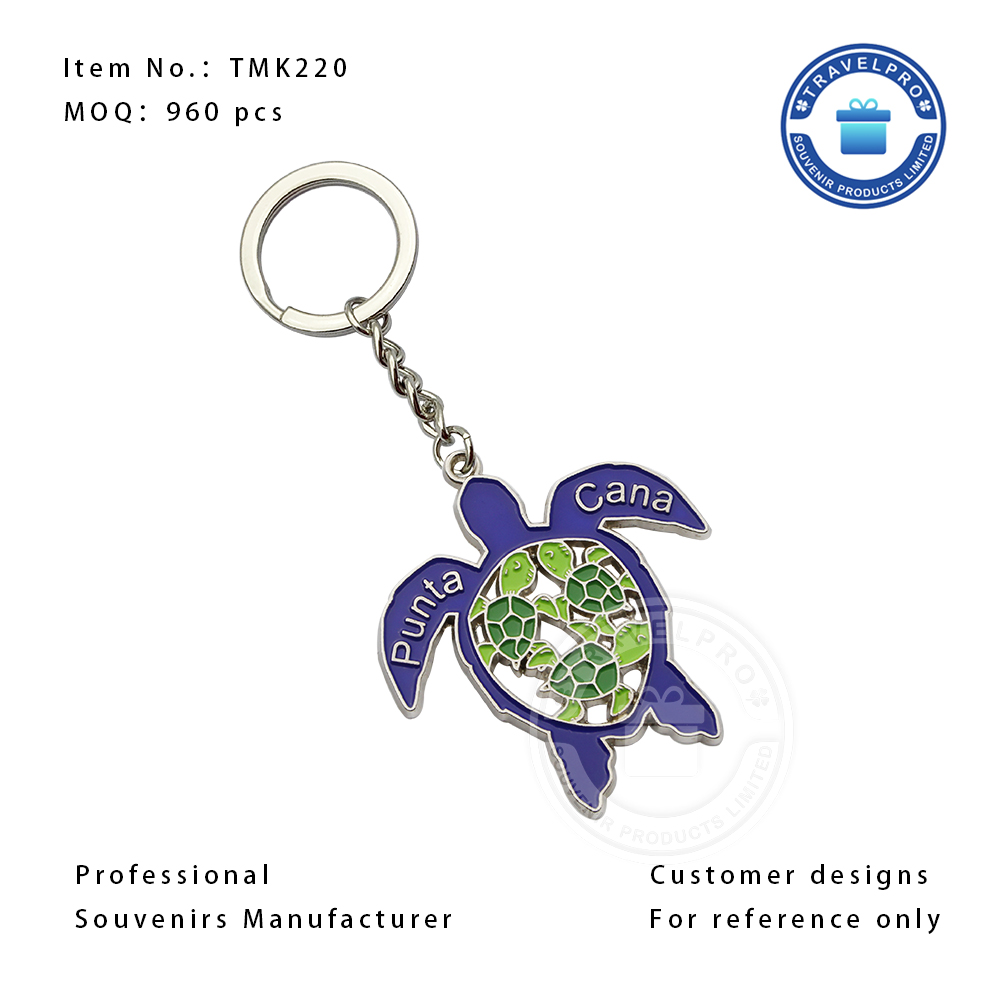
Vague design handoffs create disastrous production errors. A manufacturer might guess your material preferences incorrectly. They could use weak metal alloys or easily scratched enamels. These guesses force complete production remakes. Remakes cause weeks of inventory downtime.
Documenting strict retail souvenir keychain specifications protects your sales cycle. Clear dimensional rules eliminate supplier-side assumptions. They ensure seamless shelf-stocking upon arrival.
Every purchase order requires precise technical dimensions. Missing details guarantee unacceptable defect rates.
Specification Tolerances Matrix
Component | Strict Specification Requirement | Downtime Risk if Ignored |
|---|---|---|
Base Material | Specific zinc alloy grade (e.g., #3 Zinc) | Items break in tourist bags, causing refunds. |
Hardware Strength | Minimum 25mm split ring with 1.5mm wire thickness | Keys detach easily; ruins destination brand reputation. |
Packaging Dimensions | Standard 2-inch wide backing card with 0.25-inch peg hole | Items do not fit existing display pegs, delaying stocking. |
Barcode Application | Pre-printed UPC on the bottom back-right corner | Forces backroom staff to label manually, wasting hours. |
Best Practices: Define your jump ring closure methods clearly. A poorly closed jump ring remains the most common everyday keychain failure. Demand soldered jump rings or heavy-gauge overlapping rings. This tiny specification eliminates 90% of structural product returns.
Documenting these exact specifications serves as vital risk mitigation. It protects buyers against supplier bait-and-switch tactics. Vendors cannot substitute cheaper, lighter metals secretly. Strict spec sheets guarantee consistent product viability. They hold manufacturers financially accountable for deviations. You experience zero QA downtime because defective shipments violate the contract explicitly.
Physical fixture upkeep only solves half the problem. Supply chain disruptions cause massive inventory stockouts. Waiting until shelves look bare guarantees failure. Proactive supply chain maintenance secures your seasonal readiness.
Transitioning from reactive ordering to predictive reordering transforms your floor availability. You must analyze seasonal demand forecasting carefully. Destination retailers should order peak summer stock in late Q1. Early ordering provides buffer time for unexpected shipping delays. It ensures your custom retail souvenir keychain designs arrive weeks before tourist foot traffic spikes.
Managing your manufacturing tooling also accelerates restocks. Custom designs require specialized metal molds. You must ensure your manufacturer practices proper mold retention.
Physical Mold Maintenance: Ensure vendors clean and oil molds between runs. Rusted molds cause pitting on final products.
Stored Retention: Keep approved molds stored safely at the manufacturer's facility.
Time Savings: Retained molds cut 10 to 14 days off repeat order lead times. You skip the entire prototyping phase completely.
Holding strategic buffer inventory provides another crucial layer of defense. Unexpected events drive massive foot traffic to destination locations. Local festivals or diverted cruise ships drain inventory rapidly.
Evaluate the cost-benefit of maintaining a 15% safety stock for your best-sellers. Storing slightly more inventory ties up some capital. However, the cost of running out during a peak weekend far outweighs minor warehousing fees. Buffer stocks swallow demand spikes seamlessly. Shoppers never see empty racks. Your revenue stream remains entirely uninterrupted.
Selecting the right vendor impacts your daily uptime directly. Many buyers choose suppliers based strictly on unit price. This shortlisting logic causes disastrous stockouts later. Cheap vendors often lack operational resilience. You must vet partners based on their fulfillment reliability.
High-volume destination brands retail souvenir keychain programs require robust support systems. They need suppliers offering automated restock capabilities. Domestic warehousing options provide critical emergency inventory access. A reliable vendor acts as an extension of your backroom.
We evaluate vendor reliability using strict Service Level Agreement (SLA) dimensions. Do not sign contracts lacking specific performance guarantees.
Critical SLA Evaluation Dimensions:
Guaranteed Lead Times: Demand precise delivery windows. Establish financial penalties for late deliveries. Vendors missing deadlines should forfeit a percentage of the invoice. This aligns their urgency with your floor needs.
Verifiable Defect Rates: Set acceptable margins of error firmly below 1-2%. Establish rapid replacement protocols for defective units. The vendor must ship replacements immediately at their own expense.
Communication Transparency: Ensure direct access to dedicated account managers. Automated portals help, but human intervention resolves supply chain disruptions faster. You need real-time answers during freight delays.
What to watch out for: Avoid vendors refusing to sign SLA penalty clauses. A vendor confident in their supply chain gladly accepts lead-time guarantees. Hesitation signals underlying operational instability.
Your immediate next-step action requires a practical test. Request a trial run using a low-risk SKU. Test the retail souvenir keychain supplier thoroughly. Monitor their communication speed, packaging quality, and QA consistency. A successful small run proves their capability before you trust them with your core peak-season inventory.
Cutting downtime successfully requires aligning several critical operational pillars. You must maintain fixture durability meticulously. Implementing strict product specifications protects against defective batches. Partnering with highly reliable vendors secures your inventory flow.
Audit your current vendor SLAs immediately. Ensure your contracts include strict delivery guarantees and defect penalties. Implement a basic weekly fixture maintenance check before the next peak tourist season begins.
Formulate a standardized specification sheet today. Outline your required metal grades, hardware strengths, and packaging dimensions clearly. Use this documentation in all upcoming vendor negotiations to permanently secure your retail uptime.
A: Perform visual inspections and load balancing weekly. Execute mechanical servicing monthly. During monthly checks, tighten base hardware and apply dry silicone lubricant to moving spinner bearings. High-traffic tourist locations may require bi-weekly mechanical checks during peak summer seasons.
A: The industry standard acceptable defect rate rests between 1% and 3%. High-quality manufacturers consistently hit below 1%. Ensure your vendor contracts explicitly state compensation models, such as free rapid replacements or immediate invoice credits, for any batches exceeding this strict margin.
A: Yes. Standardizing peg-hole sizes eliminates struggling with tight display racks. Pre-applying UPC barcodes directly on the card removes manual backroom labeling entirely. These simple packaging optimizations allow staff to move products from shipping boxes to sales floors in minutes.
A: High MOQs can force delayed ordering, risking stockouts if you wait to consolidate purchases. Conversely, they prevent stockouts by guaranteeing deep reserve inventory. Balance this by negotiating lower MOQs for unproven designs while ordering high volumes of proven best-sellers to maintain safety stock.

