
Views: 0 Author: Site Editor Publish Time: 2025-10-31 Origin: Site


Ever struggled to open a bottle without the right tool? Bottle openers are essential gadgets in daily life, simplifying the task of uncapping beverages. In this post, you'll learn about different types of bottle openers, their design elements, and the physics behind their operation. Discover the materials used and factors to consider when choosing the perfect bottle opener for your needs.
Bottle openers come in various styles, each designed for specific uses and preferences. Understanding these types helps you pick the right tool for your needs.
The church key opener is the classic bottle opener. It usually has a flat metal body with a pointed end to puncture cans and a hooked end to pry off bottle caps. This simple design has been around for decades and remains popular due to its effectiveness and durability.
Made from sturdy metal, often steel or aluminum
Works on bottles with crown caps
Sometimes includes a can piercer for beverage cans
Compact and easy to carry
This opener relies on leverage, letting you lift the cap with minimal effort. Its straightforward design fits well in pockets or keychains, making it a handy everyday tool.
Modern pop top openers are designed mainly for convenience and style. They often feature ergonomic handles and may combine multiple functions like a corkscrew or a twist-off cap remover.
Usually made from stainless steel or plastic
Smooth edges and comfortable grips
Some models include magnetic catchers to hold caps
Designed for quick, effortless opening
These openers focus on user comfort and efficiency. For example, some have longer handles to increase leverage, reducing the force needed to open a bottle. Others come with sleek designs that fit well in kitchen drawers or bars.
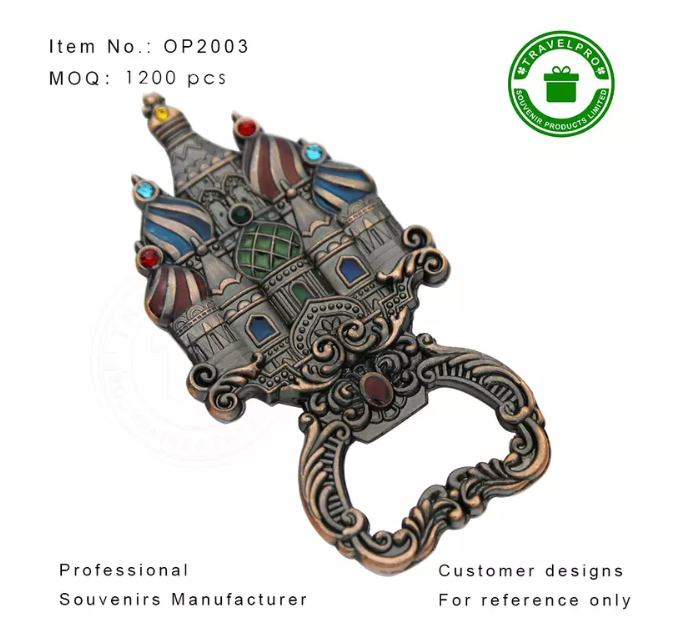
Specialty and novelty openers cater to niche markets or serve as promotional items. They can be shaped like animals, tools, or logos and are often customized with branding.
Made from various materials, including metal, wood, and plastic
Unique shapes and designs for gifting or marketing
May include additional features like bottle stoppers or multi-tools
Sometimes collectible items
These openers add personality and fun to the act of opening bottles. Businesses often use them as giveaways or branded merchandise because they combine utility with advertising.
Bottle openers work mainly because of leverage, a simple but powerful physics principle. Think of leverage as using a tool to multiply the force you apply. When you push down on one end of a bottle opener, it creates a stronger lifting force on the other end, which pries the bottle cap off.The bottle cap fits tightly on the bottle neck, so it takes some force to remove it. The opener acts as a lever, letting you apply less effort while still generating enough force to pop the cap off. The longer the handle of the opener, the more leverage it provides, making the job easier.Force is what you need to overcome the resistance between the bottle cap and the bottle. This resistance depends on how tightly the cap is sealed and the material strength of the cap. The opener helps by concentrating your effort efficiently.
Imagine the bottle opener as a seesaw. Your hand pushes down on one side, and the other side pushes up under the bottle cap. The point where the opener touches the bottle acts as the fulcrum, or pivot point.By placing the fulcrum close to the cap, the opener turns a small push from your hand into a larger lifting force on the cap. This mechanical advantage reduces the amount of strength you need to open the bottle.The design of the opener’s hooked end is crucial. It must fit snugly under the cap’s edge to catch it firmly. If the hook slips, you lose leverage and waste effort.Different openers use this principle in various ways. The traditional church key style has a simple metal hook and relies on handle length for leverage. Modern openers may have longer handles or ergonomic grips to improve force application.
In summary, bottle openers use leverage to amplify your force, making it easier to open bottles without damaging the cap or bottle. This clever use of physics turns a tough task into a simple one.
Most bottle openers are made from metals like stainless steel or aluminum. These materials offer strength and durability, which is essential for prying off tight bottle caps. Stainless steel is especially popular because it resists rust and corrosion, making it perfect for use in kitchens, bars, and outdoor settings. It stays strong even after many uses and exposure to moisture.Aluminum is lighter than stainless steel but still strong enough for everyday use. It is often used in bottle openers designed for portability, like keychain openers. Aluminum’s light weight makes it easy to carry around without adding bulk, but it can scratch or dent more easily than stainless steel.
Both metals provide a solid grip and maintain their shape under pressure. They also allow for sleek designs, which can be polished or brushed for a stylish look. Metal openers tend to last longer than those made from other materials, making them a great investment for frequent users.
Plastic bottle openers are another common option. They are usually cheaper and come in many colors and designs. Plastic openers are lighter and can be molded into fun shapes or ergonomic grips, which some users find more comfortable.However, plastic is less durable than metal. It can crack or break under strong force, especially if the bottle cap is very tight. Over time, plastic may wear down or lose its shape, reducing its effectiveness. Some plastic openers include a metal insert for the part that contacts the cap, combining the benefits of both materials.Plastic openers are suitable for light use or as promotional items, but they may not be the best choice for heavy or frequent use. They are also less resistant to heat and cold, which can affect their longevity.
The handle length of a bottle opener plays a crucial role in how easy it is to use. A longer handle provides more leverage, meaning you need less force to pop off a bottle cap. This is because the longer the lever arm, the greater the mechanical advantage you get. However, a handle that's too long can be awkward to carry or store. Most bottle openers balance length for comfort and leverage.Grip is equally important. A handle with a textured or rubberized surface helps prevent slipping, especially when hands are wet or oily. Ergonomic grips shaped to fit the hand improve comfort and control, reducing the chance of injury or frustration during use. Some openers have contoured handles or soft materials to provide a secure hold.
The shape and size of the bottle opener’s functional end determine how well it fits under the bottle cap. The hooked part must be just right to catch the cap’s edge firmly without slipping. If the hook is too small, it won't get a good grip; too large, and it may damage the cap or bottle neck.Openers often have a tapered or curved design to slide easily under caps. Some have a flat edge to assist in prying open cans too. Size matters too—the opener should be proportional to the bottle cap size for maximum efficiency. Compact openers are good for portability, while larger ones provide better leverage.
Durability depends on both the materials used and the design. A well-made bottle opener resists bending, breaking, or rusting even after repeated use. Metal openers, especially those made from stainless steel, are known for their long lifespan. They maintain their shape and strength over time.Design features like reinforced joints and solid construction also add to durability. Plastic openers may include metal inserts where the opener contacts the cap to prevent wear. Avoid openers with weak points or thin metal that could deform during use.Longevity also means the opener should withstand exposure to moisture, heat, and rough handling without deteriorating. This is especially important for openers used outdoors or in bars.
Manufacturing a bottle opener starts with selecting the raw material, usually metal like stainless steel or aluminum. The process often involves cutting a metal rod or sheet into the desired shape and size. For precision and efficiency, many manufacturers use CNC (Computer Numerical Control) machines, which automate cutting, shaping, and finishing steps.
The production typically includes these stages:
Cutting the blank: A metal rod or sheet is cut to the approximate size needed.
Shaping: The blank is machined to form the handle and functional parts of the opener.
Detailing: Features like the hook for prying caps and ergonomic grips are added.
Finishing: Polishing, coating, or engraving may be done to improve appearance and durability.
Quality control: Each opener is checked for defects and tested for functionality.
This process balances speed and quality, ensuring the opener is strong, comfortable to use, and visually appealing.
Several specialized machines and tools are essential in bottle opener production:
CNC Lathes and Milling Machines: These machines precisely cut and shape metal blanks. CNC technology allows for complex designs and tight tolerances.
Cutting Tools: Inserts and cutters made from carbide or high-speed steel shape the metal. Different tools handle rough cuts and fine detailing.
Engraving Tools: For adding logos or text, engraving cutters create permanent markings.
Polishing Equipment: Buffing wheels and abrasive materials smooth surfaces and add shine.
Press Machines: In mass production, presses may stamp or bend metal parts quickly.
Assembly Tools: For multi-part openers, tools like rivet setters or screwdrivers assemble components securely.
Using these tools ensures consistent quality and helps producers meet demand efficiently.
Bottle openers use leverage and physics to efficiently remove bottle caps. They come in various styles, from traditional church key designs to modern pop top and novelty openers. Key factors in choosing an opener include material, design, and intended use. As designs evolve, ergonomic handles and durable materials become crucial. Travelpro Souvenir Products Limited offers innovative openers that combine style and function, providing value through durable, user-friendly designs that cater to diverse preferences.
A: A Bottle Opener is a tool designed to remove caps from bottles, using leverage to make the task easier.
A: Bottle Openers work by using leverage, where the handle acts as a lever to multiply the force applied, allowing the cap to be pried off with minimal effort.
A: Metal Bottle Openers, like those made from stainless steel, offer greater durability and resistance to rust, making them ideal for frequent use.
A: Bottle Openers provide ease and efficiency in opening bottles, reducing effort and preventing damage to caps and bottles.
A: Consider the material, design, handle length, and grip for comfort and efficiency, ensuring the opener suits your intended use.

