
Views: 0 Author: Site Editor Publish Time: 2026-10-01 Origin: Site


Promotional items aim to generate long-term brand impressions for your business. Unfortunately, poorly manufactured merchandise often ends up straight in the trash. You need high-quality gifts to make a lasting impact. Your audience judges your brand by the physical quality of these items. A flawed product can easily scratch a refrigerator surface. It might drop unexpectedly due to a weak magnetic hold. Chipped paint and bent metal quickly damage your brand credibility instead of building it.
We wrote this article to give you a technical, objective framework. You will learn exactly how to specify materials, magnet strength, and printing methods. We guide you through the process of selecting the right specifications. This knowledge ensures you receive a durable, high-return product every time. A sturdy opener stays on a fridge for years. This creates daily, positive visibility for your company. You must prioritize precise manufacturing specifications to achieve this.
Treating custom merchandise as a generic commodity frequently causes problems. Buyers often encounter inconsistent quality and hidden setup fees. This approach ultimately compromises your brand equity. When you order a custom bottle opener magnet without exact specifications, suppliers often cut corners. They might use thinner metals to save money. They could apply cheap coatings prone to fading. These seemingly minor production shortcuts result in a subpar final product. Your customers will notice this lack of quality immediately. Poor merchandise reflects poorly on your core business services.
You must define strict success criteria for your promotional items. A successful custom bottle opener magnet must achieve three specific things. First, it requires flawless functionality. The tool must open bottles repeatedly without bending or warping. Second, it needs secure mounting capabilities. The item must hold its own weight plus several sheets of paper on a fridge. Third, it demands long-lasting brand visibility. The printed logo must resist fading and scratching over time. If a product fails any of these criteria, it loses its marketing value.
The current vendor landscape is vast and sometimes misleading. Platforms like Amazon, Etsy, or bulk promotional sites offer thousands of options. However, buyers must look past polished stock photos. You need to evaluate the underlying manufacturing specifications. Many online listings obscure the actual material thickness. They rarely disclose the exact grade of the magnets used. You must ask technical questions before placing bulk orders. A reliable manufacturer will transparently share their material sourcing and production methods.
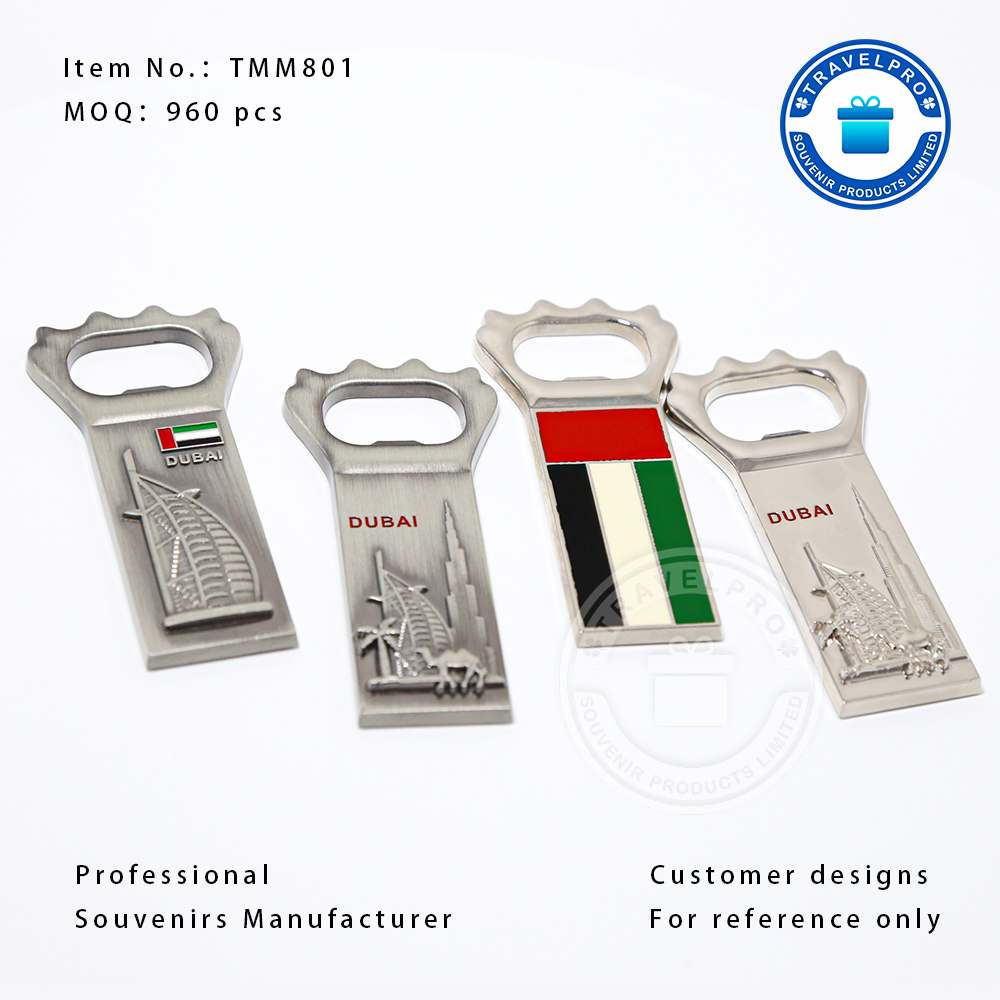
Material weight significantly impacts how customers perceive your brand. A premium zinc alloy bottle opener magnet serves as the industry standard for high-end feel. Zinc alloy offers superior die-casting precision. This allows manufacturers to create intricate 3D shapes easily. It naturally resists rust and corrosion. Furthermore, zinc provides a satisfying "heft" in the hand. This weight instantly signals quality to the user. Hollow aluminum or tin alternatives feel cheap and bend under torque.
Different campaigns require different aesthetic approaches. You should match the material to your brand identity.
The outer coating dictates the lifespan of your product. You must outline necessary coating requirements clearly in your specification sheet. Request electroplating or powder coating for metal items. These methods bond the color to the metal surface effectively. Decide between matte and polished aesthetics based on your logo design. Matte finishes hide fingerprints well. Polished finishes offer a striking, reflective appearance. A high-quality clear coat prevents chipping and corrosion over years of use.
| Material Type | Perceived Weight | Durability | Best Use Case |
|---|---|---|---|
| Zinc Alloy | Heavy / Premium | Very High | Premium corporate gifts, die-cast shapes |
| Solid Wood | Medium | Medium-High | Rustic brands, artisanal breweries |
| Stainless Steel | Medium | Very High | Sleek, minimalist designs |
| Plastic / Tin | Light / Cheap | Low | Avoid for high-impact branding |
Magnet strength is the most critical functional requirement. It is also the most common point of failure. You must understand the operational difference between magnet grades. Cheap ferrite or rubberized magnets lack sufficient pull force. A heavy metal opener requires a high-grade magnet. We recommend specifying N-grade neodymium magnets. These rare-earth magnets offer massive holding power despite their small size. A strong magnet prevents the item from sliding down the fridge door. It also allows the opener to hold thick menus or multiple papers securely.
| Magnet Type | Pull Force | Risk of Sliding | Cost Impact |
|---|---|---|---|
| Rubber Magnetic Tape | Very Weak | High | Very Low |
| Standard Ferrite | Moderate | Medium | Low |
| N-Grade Neodymium | Extremely Strong | Zero | Moderate |
How the factory attaches the magnet matters immensely. You must specify that magnets be recessed into the body. Manufacturers should embed them directly into the metal or wood. Magnets merely glued to a flat surface easily snap off. Glue degrades over time due to temperature changes.
You must also highlight the risk of surface scratches. Stainless steel appliances scratch very easily. The magnet or a protective rubber backing should be the only part touching the fridge. This design keeps the hard metal edges of the opener slightly elevated. Soft-touch coatings provide an extra layer of protection against accidental scrapes.
Laser engraving remains the best choice for metal and wood items. This process burns your design directly into the material surface. It creates a permanent, scratch-proof, and subtle aesthetic. Engraving will never peel or fade over time. Buyers should specify depth and contrast expectations upfront. Some lasers create a deep, dark burn. Others produce a lighter, frosted appearance. Clarify your preference before production begins.
Many brands require exact color matching. UV printing and pad printing are ideal for these situations. They replicate complex, full-color logos perfectly. These methods allow for exact Pantone color matching. However, printed ink sits on top of the metal. You must specify a scratch-resistant clear coat. An epoxy dome or a thick varnish works best. This protective layer prevents the logo from chipping during normal use. Without a clear coat, metal bottle caps will quickly scratch the printed design.
Consider die-casting for structural, 3D logos. This method creates a highly tactile, premium aesthetic. Factories mold the metal into your exact custom shape. They can then fill the recessed areas with colored enamel. This process carries a higher initial setup cost. Factory molds require dedicated engineering time. However, it offers maximum durability. The color sits below the metal surface, protecting it from friction.
Your manufacturer needs the right files to produce crisp results. Emphasize the necessity of providing true vector files. Formats like .AI or .EPS allow printers to scale designs without losing quality. You must also verify the exact printable surface area. Ask the vendor for a precise design template. Placing a large logo on a curved surface often causes distortion. Carefully mapping the printable area helps you avoid warped or illegible text.
Finding a reliable supplier requires a structured approach. You must ask the right questions before committing capital. Use this process when ordering your next custom bottle opener magnet.
Never bypass the sampling phase for bulk orders. You must specify the need for a physical pre-production sample. If time is extremely tight, demand high-resolution photos of the first-run product. You need this sample to test the magnet's grip personally. You also need to test the opener's leverage on an actual bottle. A minor design flaw can render the tool entirely useless. Approving a bulk run without a physical test carries massive financial risk.
Promotional items frequently enter homes and kitchens. Ensure the manufacturer uses non-toxic, lead-free paints and metals. This is especially important for items used near food and beverages. Ask vendors if their products comply with standards like RoHS or Proposition 65. Reputable manufacturers will readily provide these testing certificates. Ignoring safety compliance exposes your brand to severe legal and reputational hazards.
Warn your purchasing team to check for hidden costs. Many vendors advertise a low base price to win the contract. They later add die-charges, setup fees, and Pantone matching fees. Expedited shipping surcharges can also destroy your budget. Demand a comprehensive quote outlining every single line item. Finally, evaluate the vendor's true production capacity. Can they handle an initial 200-unit event order? More importantly, can they scale to a 10,000-unit retail order while maintaining consistent quality? Ensure your partner can grow alongside your brand.
The best custom bottle opener magnet relies on deliberate specifications. It requires a combination of dense materials, strong magnetic integration, and durable printing. Zinc alloy and recessed neodymium magnets provide the highest perceived value and functionality. You must protect your printed designs with appropriate clear coats or choose permanent engraving. We advise buyers to consolidate these technical requirements into a single spec sheet. Submit this detailed sheet before requesting quotes from promotional suppliers. This proactive approach eliminates vendor guesswork and guarantees a premium, brand-building product.
A: MOQs vary significantly by the manufacturing process. Laser engraving on blank stock can often be done in small batches of 50 to 100 units. However, custom die-cast shapes require creating a unique metal mold. These bespoke structural designs typically require 500 or more units to be cost-effective.
A: Zinc alloy is inherently highly rust-resistant. It performs exceptionally well in standard kitchen environments. However, the quality of the top-coat plating determines its ultimate longevity in highly humid or coastal environments. Specifying a thick, high-quality electroplated finish ensures maximum corrosion resistance over time.
A: You must specify recessed magnets. The magnet should sit slightly below the outer edge of the housing. Alternatively, request rubberized backings or soft-touch coatings on the rear face of the opener. These features ensure that hard metal edges never directly contact delicate stainless steel refrigerator doors.
A: You must provide vector files for the sharpest results. Formats like .AI (Adobe Illustrator) or .EPS allow factories to scale your design infinitely without blurring. Additionally, always provide exact Pantone color codes to ensure the factory matches your specific brand colors perfectly during production.

