
Views: 211 Author: Site Editor Publish Time: 2025-07-28 Origin: Site


A metal medal is a solid, flat, and often decorative object typically made of durable materials like bronze, brass, zinc, copper, or alloys. It is most commonly awarded to individuals or groups in recognition of achievement, service, or participation. Medals are a timeless symbol of honor and recognition, whether for excellence in sports, military service, academic success, or corporate achievement.
Metal medals are distinguishable by their weight, reflective surface, engraved or embossed designs, and often, a ribbon for hanging. They can vary significantly in terms of size, finish, detailing, and purpose. Unlike paper certificates or digital awards, metal medals offer a tangible, lasting representation of accomplishment. Their aesthetic appeal and perceived value make them a preferred choice in both formal and informal recognition ceremonies.
The significance of a metal medal extends beyond its material. It conveys acknowledgment, boosts morale, and preserves the memory of a special achievement. Whether custom-made or mass-produced, each medal tells a story, making it a cherished token among recipients.
Metal medals have a long and storied history, dating back to the ancient civilizations of Greece and Rome. Early medals were minted to commemorate military victories or important political events. Roman emperors would issue bronze or gold medallions to celebrate major victories or honor loyal soldiers. These early medals were precursors to the modern-day system of award recognition.
In the Middle Ages, medals evolved into religious tokens and items of cultural value. They were often used by churches or monarchies to reward service or piety. The Renaissance brought with it a flourish of artistry, and medals began to be crafted by renowned artists, blending fine metalwork with detailed engravings that told a story of achievement or dedication.
By the 19th century, metal medals had become more standardized and widely used in military and educational contexts. The Olympic Games, which were revived in 1896, played a pivotal role in popularizing gold, silver, and bronze medals as symbols of athletic excellence. This tri-metal hierarchy has since become the universal standard for awarding first, second, and third places in competitions.
Today, the role of the metal medal has expanded. Not only are they found in sports, but also in the corporate world, government services, academic institutions, and even hobbyist organizations. The rise of custom medal production has led to limitless design possibilities while maintaining the symbolic prestige of this age-old item.
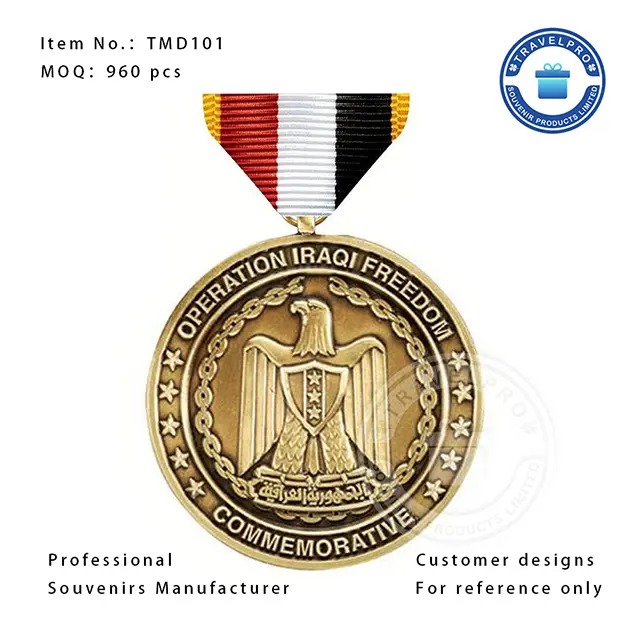
Metal medals serve various functions, and they can be categorized based on their use, material, or customization level. Understanding the types helps you select the appropriate medal for your occasion.
These are perhaps the most recognizable form of metal medals. Awarded to athletes in individual or team competitions, sports medals often come in gold, silver, and bronze finishes to represent ranking. They can include custom logos, event dates, and sponsor engravings.
Military medals honor acts of bravery, service duration, or special missions. They often carry national emblems and are governed by strict regulations in terms of design and hierarchy. These medals are typically worn on uniforms and carry immense prestige.
Educational institutions award medals to top-performing students, often during graduation ceremonies. Likewise, companies may present medals to employees for long-term service, exceptional performance, or project completion. These medals help build a culture of recognition and loyalty.
Used to mark historical events, anniversaries, or cultural milestones, commemorative medals are often collected or gifted. Their design focuses heavily on symbolic imagery and text to convey a deeper meaning.
| Type of Medal | Primary Use | Typical Material | Customization Level |
|---|---|---|---|
| Sports Medal | Athletic Events | Zinc Alloy, Brass | High |
| Military Medal | Armed Forces Recognition | Bronze, Nickel | Regulated |
| Academic Medal | Education Achievement | Brass, Steel | Medium |
| Corporate Medal | Employee Recognition | Zinc, Aluminum | High |
| Commemorative Medal | Historical or Cultural Uses | Copper, Bronze | Very High |
Each category has its specific requirements in terms of design, engraving, and packaging, but the unifying factor is the emphasis on durability and symbolism.
The design of a metal medal plays a critical role in how it is perceived and cherished. An effective design balances functionality with aesthetics and reflects the values or themes of the event or organization.
Choosing the right metal is foundational. Brass and bronze offer a premium feel and high durability. Zinc alloys are cost-effective for mass production. Stainless steel and aluminum are modern alternatives, offering corrosion resistance and sleek finishes.
Popular finishes include antique (to give a vintage appearance), polished (for a shiny surface), matte, or two-tone combinations. Techniques like sandblasting, etching, and enamel filling can add depth and contrast.
Including custom logos, event names, dates, and individual engraving options can make each medal truly one-of-a-kind. 3D relief designs, dual plating, and multi-level layers can further enhance the visual appeal.
The ribbon not only helps in presentation but also complements the overall design. Colors may represent different categories or organizations. Premium packaging such as velvet boxes or acrylic cases enhances the medal's perceived value and protects it from damage.
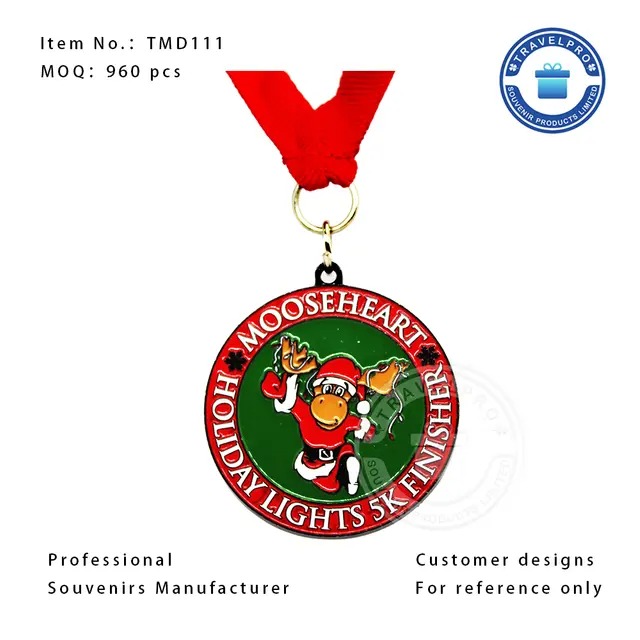
The best metal depends on the use case. For premium awards, bronze or brass is often chosen due to its weight and appearance. For budget-conscious events, zinc alloys offer good quality at lower costs.
Yes, many manufacturers offer laser engraving or etched name plates that allow individual customization. This adds a personal touch and increases sentimental value.
Lead time varies depending on quantity and complexity. On average, custom metal medals take 2 to 4 weeks from design approval to delivery. Urgent services are available but may incur additional costs.
Yes, most metal medals are recyclable, especially those made of aluminum, brass, or zinc. However, non-metal components like ribbons and enamel fillings may need to be removed before recycling.
Gently wipe the medal using a soft, dry cloth. For deeper cleaning, use mild soap and warm water, then dry immediately to prevent tarnishing. Avoid harsh chemicals or abrasive materials.
Receiving a metal medal isn’t just a physical gesture—it carries immense emotional and psychological weight. For many, it is a once-in-a-lifetime honor that validates years of hard work, commitment, and perseverance.
In sports, medals serve as a visible symbol of excellence. They boost athletes' confidence and motivate them to push boundaries. In corporate or educational settings, medals reinforce positive behavior and instill a sense of belonging. For military personnel, medals are markers of courage and sacrifice—earning one can define a career or life path.
Metal medals also contribute to memory retention. A medal displayed at home or office becomes a storytelling artifact. It inspires others and reflects the values of achievement, determination, and honor. These psychological benefits elevate medals beyond mere objects—they become symbols of legacy.
In an increasingly digital world, the tangible, weighty feel of a metal medal remains irreplaceable. Whether it marks a fleeting victory or a lifetime of service, the metal medal endures as a symbol of excellence, dedication, and recognition. Its ability to convey honor and inspire future performance ensures its continued relevance across all industries and cultures.

