
Views: 0 Author: Site Editor Publish Time: 2026-06-20 Origin: Site


The souvenir fridge magnet is consistently one of the highest-margin, highest-velocity SKUs in tourist retail. Visitors eagerly collect these colorful reminders of their memorable travels. However, your material selection directly dictates net profitability. Shop owners face a fundamental retail dilemma every buying season. They must balance the eye-catching, dimensional appeal of a polyresin magnet against the durable, premium feel of a metal fridge magnet. Both materials offer distinct shelf advantages and unique operational challenges. This guide provides store owners and wholesale buyers a clear, margin-focused evaluation framework. You will learn how to select the optimal material for your specific tourist demographic. We will also explore strategies to align these choices with your supply chain capabilities. Ultimately, you can build a more profitable, fast-moving inventory.
Polyresin offers unmatched 3D detail and vibrant color, ideal for landmark replicas, but carries higher hidden costs in shipping weight and retail breakage.
Metal provides a durable, premium aesthetic with zero breakage risk and lower volumetric shipping costs, though initial mold/tooling fees can be higher.
Choosing the right custom tourist magnet requires calculating "landed cost" (including packaging and freight) rather than just unit price.
A balanced retail strategy often utilizes a 70/30 split between resin and metal to capture both impulse family buyers and premium-seeking tourists.
Retailers frequently select inventory based purely on visual appeal. We must shift our focus toward harsh business realities. A product's composition dictates its entire lifecycle cost. This financial journey spans from the overseas factory floor to the tourist's suitcase. You must look far beyond the initial factory quote. Understanding these background expenses protects your profit margins. A smart buyer evaluates shipping, storage, and handling before placing an order.
Fragile materials severely impact daily retail margins. You might save ten cents per unit upfront. However, a 5% breakage rate quickly negates those savings. Store employees occasionally drop boxes during routine stocking. Browsing customers accidentally knock items off crowded display racks. Damaged goods go straight to the trash bin. You cannot sell a chipped landmark replica. This loss eats directly into your net profit. You also waste the shipping fees paid to import that broken item. Managing fragile inventory requires gentler handling and slower shelf stocking.
Volumetric weight plays a massive role in global logistics. Heavy and bulky items cost significantly more to import. They consume valuable warehouse and backroom space. Sea freight charges depend heavily on carton dimensions. You essentially pay for the space the packaging occupies. Lightweight items packed tightly yield better freight margins. Consider your storage capabilities before ordering large quantities. Smaller shops lack the backroom space for oversized foam cartons. Efficiently packed inventory reduces your landed cost dramatically.
Material weight and texture strongly influence consumer psychology. A heavier item simply feels more valuable to a shopper. High-quality finishes allow you to justify higher price points. You gain significant pricing power when the product feels premium. Customers rarely question a twenty-dollar price tag on a sturdy item. They will hesitate to pay ten dollars for flimsy plastic. Strategic material choices directly increase your acceptable retail markup. Standard keystone pricing formulas work best when the product feels substantial.
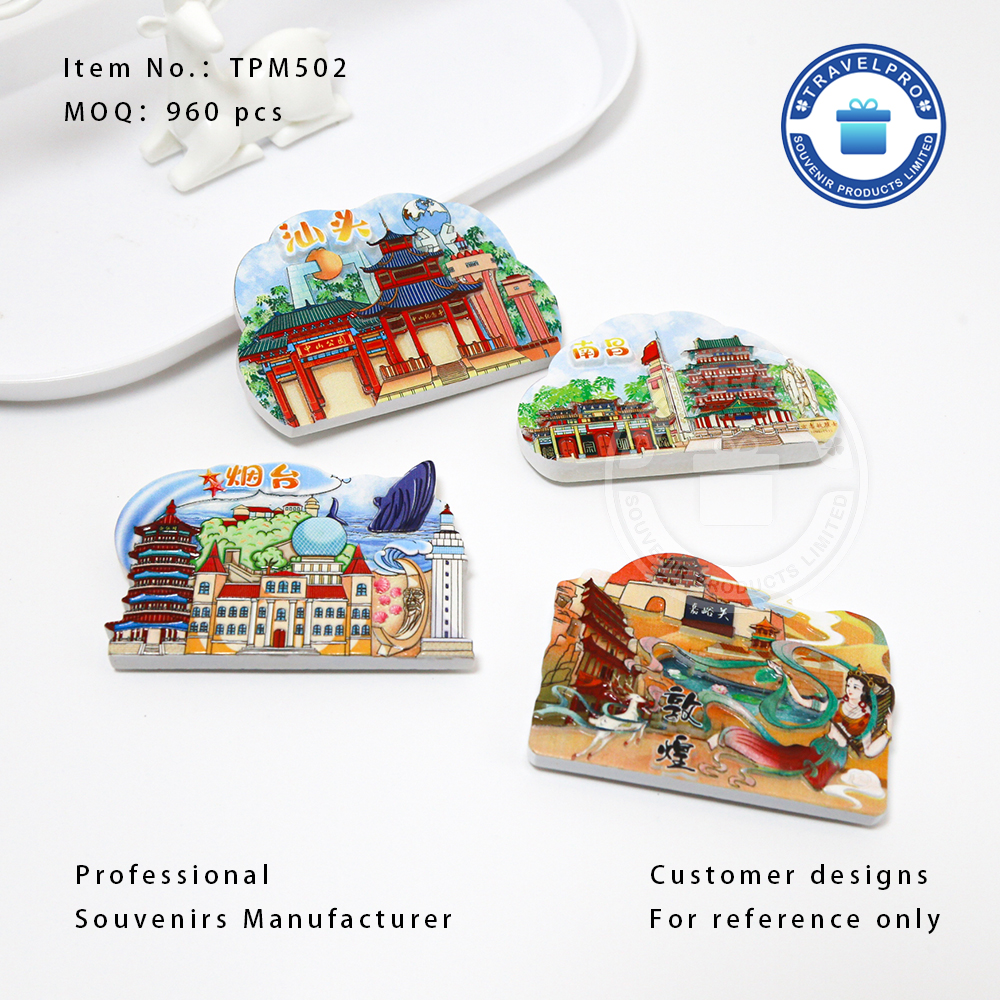
Manufacturing flexibility makes resin highly popular globally. This material excels at capturing intricate, topographical designs. Factories easily mold miniature cityscapes, famous architectural landmarks, and brand mascots. Manufacturers pour liquid resin into flexible silicone molds to achieve deep reliefs. Artists then hand-paint every tiny detail. Emerging 3D printed resin magnet technologies push these boundaries even further. They allow for hyper-detailed prototypes and rapid design iterations. You can achieve almost any whimsical shape imaginable.
We must identify the ideal buyer for these colorful items. Families and young children love them instantly. Traditional souvenir collectors gravitate toward vibrant, playful colors. These items drive incredibly strong impulse purchases at the checkout counter. They perfectly capture the immediate visual essence of a sunny tourist destination. Shoppers want a miniature replica of the attraction they just visited. The visual pop directly triggers the emotional memory of their trip.
You must understand the operational challenges before placing an order. Let us examine the three primary risks associated with this category.
Fragility: Resin is essentially a hardened plastic compound. It chips easily if dropped on a hard tile floor. You will lose some inventory to clumsy browsing. Corner elements like miniature towers snap off upon impact.
Packaging Overhead: You cannot ship these fragile pieces loose in a bulk bag. They require molded EPS foam, custom blister packs, or rigid clamshells. This protective packaging increases the base unit cost. It also drastically expands the overall display footprint in your shop.
Weight: Solid cast pieces become quite dense. This density leads to much higher freight costs. You feel this impact most when ordering souvenir magnet wholesale batches by air freight. Sea shipping mitigates this, but requires longer lead times.
Die-cast zinc alloy, stamped iron, and brass offer immense retail appeal. These elements create a highly durable, premium aesthetic. Factories enhance the raw designs using soft enamel color fills. They also apply antique plating for a vintage, sophisticated look. You can seamlessly integrate multi-functional utility into the design. Adding a bottle opener backing provides practical value to the souvenir. This utility transforms a simple keepsake into a usable household tool.
Older tourists often prefer these subtle, refined designs. Premium gift buyers appreciate the high-end metallic finish. Frequent travelers love sleek, low-profile items. These flat pieces fit easily into tightly packed luggage. They survive the turbulent journey back home without taking damage. Business travelers often buy them as sophisticated corporate gifts. They want something elegant for their office whiteboard or home refrigerator.
Every manufacturing process carries specific challenges. You should consider these factors before designing your custom product.
Tooling Costs: Custom molds require a significant upfront investment. You pay for precision steel cutting and complex die casting preparation. This initial fee deters some small boutique owners from ordering small test batches.
Design Limitations: True 3D sculpting is absolutely possible in zinc alloy. However, it lacks the hyper-realistic color gradients seen on hand-painted items. Enamel fills require raised metal borders to separate different colors. You cannot achieve soft watercolor effects easily.
Magnet Strength: A dense metal piece carries substantial weight. You must ensure the backing attachment is strong enough. Standard ferrite options might fail under the load. We strongly recommend specifying neodymium discs. They hold the heavy item securely and prevent sliding down the refrigerator door.
Let us compare these options using strict operational metrics. We must evaluate profit potential alongside supply chain logistics. A balanced review ensures you make informed purchasing decisions.
Compare average wholesale unit costs objectively. Cast items might cost less per unit during the initial quote. However, acceptable retail markups vary wildly based on consumer perception. Customers gladly pay a premium for a high-quality custom tourist magnet made of brass. Calculate your true landed cost carefully. This includes ocean freight, customs duties, and protective display packaging. Only then can you determine your actual retail markup. High margins require controlling these hidden backend costs.
Evaluate how different factories scale their daily production. Metal manufacturers consistently require higher Minimum Order Quantities (MOQs). This volume offsets their expensive steel tooling investments. Most factories ask for at least 500 pieces per design. Conversely, silicone molds cost very little to produce. Factories can sometimes supply smaller custom batches for independent boutique shops. You can test new regional designs with less financial risk using softer materials.
Assess your seasonal production speeds accurately. Hand-painting multiple colors remains a highly labor-intensive process. It is highly prone to delays during peak holiday manufacturing seasons. Factory workers must wait for each paint layer to dry. Conversely, stamping and die-casting processes are highly automated. You can expect much faster turnaround times for emergency reorders. Always factor in major overseas holidays when planning your seasonal inventory buys.
Safety standards remain an absolute priority for retail compliance. Strict adherence prevents costly border seizures and legal liabilities. Ensure your supplier uses certified lead-free paints. Verify your manufacturing partner uses non-toxic plating baths. Ask for current EN71 or ASTM testing certificates before finalizing any large purchase order. Retailers face heavy fines if child-appealing products fail heavy metal testing.
Evaluation Metric | Polyresin Merchandising | Metal Merchandising |
|---|---|---|
Visual Appeal | Vibrant, 3D topographical detail, high color variance. | Sleek, premium texture, elegant antique or enamel finishes. |
Breakage Risk | High (prone to chipping off shelves). | Zero (virtually indestructible on the shop floor). |
Upfront Tooling Cost | Low (uses inexpensive silicone molds). | High (requires precision CNC steel molds). |
Production Speed | Slower (requires manual hand-painting). | Faster (highly automated machine stamping). |
Ideal Display Location | Lower shelves, impulse bins near checkout. | Eye-level premium racks, enclosed glass cases. |
You need a concrete framework to build a profitable inventory. Smart merchandising requires understanding your specific buyer behavior. Avoid stocking items based purely on personal preference. Let the data and your location guide your buying strategy.
Your physical location dictates your primary purchasing strategy. Are you managing a high-traffic family theme park store? Prioritize high-visual, colorful pieces. Kids flock to brightly painted mascots. Do you operate a gift boutique inside a national history museum? Index heavily toward premium antique designs. Adult visitors want sophisticated keepsakes. Airport retailers should favor slim, flat profiles. Travelers need items they can slip into a laptop bag easily.
We strongly recommend adopting a tiered inventory approach. Never stock just one material type exclusively. Offer entry-level resin items alongside premium die-cast multi-tools. This strategy captures entirely different wallet sizes simultaneously. You appeal to budget-conscious families buying gifts for classmates. You also attract high-end collectors seeking unique desk accessories. Place the colorful items at children's eye level. Display the sleek options near the cash register for adult impulse buys.
Ask the right technical questions before committing to a manufacturer. Do not blindly trust digital renderings. Request physical production samples first. You must conduct practical quality tests in your store.
Test the adhesion sheer strength on a real appliance door. Watch if the heavy piece slides down the metal surface.
Scratch the painted surface gently with a fingernail to check curing durability.
Inspect the plating finish under bright light for tiny oxidation spots or bubbles.
Drop the packaged item from waist height to evaluate the blister pack integrity.
This rigorous vetting process saves you from purchasing thousands of unsellable units. It ensures you only stock items that will delight your customers.
Selecting the perfect retail inventory involves calculated strategic trade-offs. Neither material reigns supreme universally. The optimal choice relies heavily on your shop's available display space. It depends on your primary demographic and your tolerance for accidental breakage. A balanced approach often yields the most robust sales data.
Consider these actionable next steps to refine your strategy:
Audit your current sales velocity against your documented breakage logs.
Calculate exact landed costs, including packaging tariffs and ocean freight volume.
Reorganize your display racks to feature a strategic 70/30 material split.
Contact a reputable wholesale manufacturer to request a mixed sample evaluation pack.
A: Metal generally requires higher MOQs due to expensive steel mold tooling, whereas polyresin silicone molds are cheaper to produce, often allowing for lower initial runs.
A: Yes, provided the supplier uses custom-molded EPS foam or rigid blister packaging, though this increases the overall freight volume and landed cost.
A: Yes, through epoxy dome inserts or UV printing on flat metal surfaces, though it offers a different aesthetic than traditional soft enamel or die-struck metal.
A: Request a pre-production sample. Test the magnet's sheer strength (does it slide down the fridge?), check resin for paint bleed, and test metal for plating oxidation.

