
Views: 0 Author: Site Editor Publish Time: 2026-08-21 Origin: Site


Scaling a retail or distribution business relies heavily on supply chain predictability. Yet many businesses still treat vendor selection as one-off transactions. This creates immense risk. Finding a partner for a single custom batch is usually easy. However, qualifying a reliable partner for continuous, high-volume replenishment is highly complex.
You cannot build a scalable brand on unstable production lines. Unreliable partners cause frequent stockouts. They also cause inconsistent product quality. To eliminate these issues, buyers must shift their sourcing strategies entirely. You must move away from basic price-first sourcing. Instead, adopt a highly structured qualification framework. This new approach relies on analyzing long-term capacity, strict compliance standards, and rigid process consistency. We will guide you through this exact framework below.
Overseas sourcing often involves a harsh "bait and switch" reality. A supplier might deliver a flawless initial sample. Unfortunately, this quality frequently degrades across subsequent bulk orders. Factory managers sometimes swap raw materials to save pennies. They might assign less experienced workers to your project. This degradation ruins your product consistency. Managing repeat wholesale orders demands a completely different vetting process to prevent this fade in quality.
Consider the massive hidden expenses of supplier churn. Constantly changing suppliers destroys your margins. It causes severe shipping delays. You face repetitive re-tooling costs for new molds. More importantly, poor quality damages your brand reputation. Negative customer reviews compound over time. Retail buyers will quickly drop your product line. You lose market share almost immediately. Supplier churn is a silent business killer.
You must shift your evaluation mindset. Stop asking simple questions. Do not just ask, "Can you make this specific design?" Instead, you must ask a much harder question. Ask, "Can you produce this consistently across 10,000 units over two years without intervention?" This perspective forces you to look at systems rather than just prototypes. It separates true manufacturing partners from opportunistic workshops.
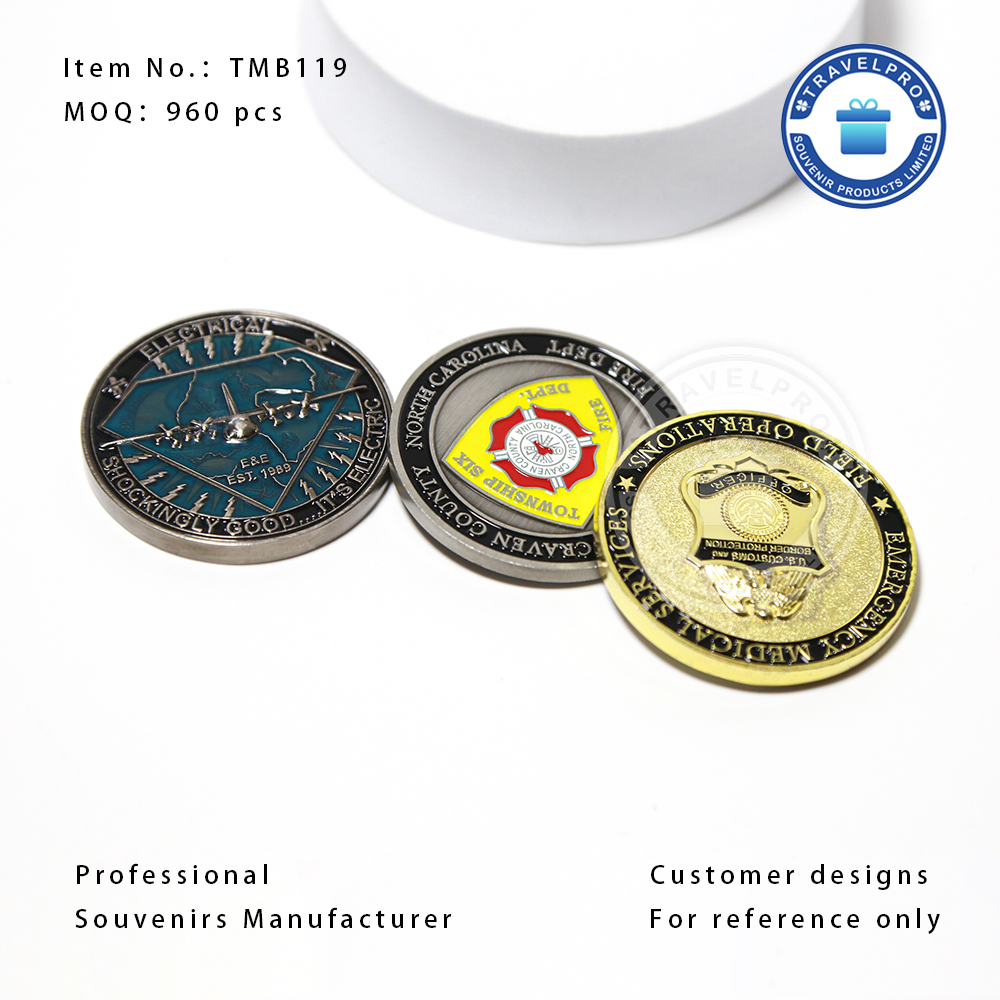
A rigorous souvenir supplier audit is your primary defense against unreliable vendors. You must verify actual capabilities before transferring any funds. Many online storefronts are just trading companies masking themselves as direct factories. How do you verify if the custom gift factory actually owns its equipment? They might outsource your entire production run to smaller, unverified workshops.
Start by requesting their official business licenses. Check the approved business scope. A true factory will list "manufacturing" or "production" on official documents. Request their ISO 9001 certifications. Demand a live video tour of the production floor. Ask them to show machinery actively running similar products. These steps quickly expose middlemen who lack direct control over production schedules.
Next, assess their equipment and mold maintenance policies. Tooling wear-and-tear is a major reason for quality degradation. Ask specific questions during your audit:
Finally, evaluate their true scalability metrics. You need absolute transparency regarding maximum monthly capacity. Define their peak-season lead times precisely. Lead times often double ahead of Q3 and Q4 holidays. Ask about their raw material inventory buffers. A capable factory holds safety stock of common materials. This prevents them from missing your deadlines when global material shortages occur.
Robust souvenir quality control is the only way to guarantee batch consistency. You must remove all subjectivity from the inspection process. Start by establishing a "Golden Sample" protocol. This is a master reference sample signed and dated by both parties. This physical sample dictates the exact rules for all future orders. It locks in specific Pantone colors. It defines exact material weights. It sets the standard for acceptable finishing techniques.
You must implement Acceptable Quality Limit (AQL) frameworks. AQL is an internationally recognized standard. It sets clear, contractual thresholds for defects prior to mass production. You define exactly how many minor, major, and critical defects you will tolerate. If a batch exceeds these limits, the factory must rework the entire order at their own expense.
Below is a Standard AQL Defect Classification Chart to help you structure your contracts.
| Defect Category | Definition | Action Required |
|---|---|---|
| Critical | Poses a safety hazard or violates regulatory compliance (e.g., sharp edges, toxic paint). | Immediate batch rejection. Zero tolerance policy. |
| Major | Significantly impacts product function or visual appeal (e.g., broken magnets, incorrect logos). | Strict limits (usually 2.5%). Factory must replace or rework items. |
| Minor | Small visual flaws unnoticeable to most retail consumers (e.g., slight paint overlap on the back). | Generous limits (usually 4.0%). Monitored to ensure trends do not worsen. |
Integrating third-party inspections is your final safety net. Never rely solely on factory-provided photos. Hire independent inspection agencies. Companies like SGS or TÜV provide impartial evaluations. Schedule these inspections right before shipping. Only release the final balance payment after receiving a passing inspection report. This keeps financial leverage firmly in your hands.
Selecting the right souvenir manufacturer involves securing your intellectual property. IP theft is rampant in overseas manufacturing. Factories might sell your custom designs to competitors. They might list your proprietary shapes on public wholesale directories. You must establish upfront contractual terms regarding IP protection. Clearly define who owns the custom molds after the first production run.
If you pay a dedicated tooling fee, ensure the contract states you own the physical mold. You should hold the right to transfer this mold to another facility. Sometimes factories waive the tooling fee to win your business. This usually means they retain ownership of the mold. Clarify this before sending initial deposits. It prevents supply chain hostage situations later.
Material compliance is equally critical. The factory must comply strictly with destination-market regulations. Selling non-compliant goods can result in massive fines or border seizures. Ask these regulatory questions:
Evaluate their daily communication habits. Assess their speed when resolving design iterations. Do they proactively point out engineering flaws in your design? Gauge their English proficiency for technical terms. Most importantly, evaluate their transparency. Good partners tell you immediately when supply chain issues arise. Bad partners hide delays until the very last minute. Low communication friction is a strong indicator of long-term reliability.
Never sign an annual vendor agreement based purely on a prototype. A single prototype proves they have skilled sample makers. It does not prove they can manage mass production. De-risking your commitment is essential. You must stress-test their actual systems. The best method for this is executing a pilot order.
Order a minimum viable batch. We recommend ordering exactly 20% of your standard volume. This is large enough to test their production timelines. It forces them to use standard assembly line workers. It also allows you to test real-world logistics. You will see how they handle customs documentation. You will observe their export packaging standards.
Once the pilot arrives, conduct a rigorous post-delivery evaluation. Score the pilot aggressively. Calculate their on-time delivery percentage. Compare the actual defect rate against your agreed AQL thresholds. Inspect the packaging integrity upon arrival. Did they use adequate protective materials? Did retail display boxes arrive crushed?
Below is a Pilot Order Supplier Scorecard Evaluation to help quantify your test run.
| Evaluation Metric | Target Standard | Warning Sign |
|---|---|---|
| Production Timeline | Delivered on or before the agreed contract date. | Delays exceeding 7 days without prior notification. |
| Defect Rate (AQL) | Major defects remain under 2.5% of total batch. | Finding any critical safety defects in the batch. |
| Packaging Quality | Zero crushed cartons. Retail boxes are shelf-ready. | Flimsy outer cartons. Missing protective inserts. |
| Communication | Updates provided weekly. Quick replies to emails. | Excuses for delays. Refusal to share production photos. |
If the pilot order passes this scorecard, you can confidently take the next steps. Proceed to drafting Master Service Agreements (MSAs). You can now safely negotiate tiered pricing for repeat volume commitments. A successful pilot proves they possess the systems required for a stable, scalable partnership.
Long-term profitability in souvenir retail hinges directly on supplier reliability. It does not hinge on finding the lowest possible unit price. Chasing cheap quotes usually results in expensive quality disasters. By shifting to a comprehensive evaluation framework, you protect your supply chain. You secure consistent inventory. You protect your brand reputation from inferior products.
Apply this qualification checklist to your current vendors immediately. Audit their capabilities. Implement strict AQL standards. Demand transparency regarding tooling ownership. If your current partners resist these professional standards, it is time to upgrade. Take action today. Reach out for a consultation to evaluate a vetted production partner. Secure a supply chain that actually supports your business growth.
A: Request a live video audit showing the production line. Verify their business registration scope explicitly lists manufacturing. Additionally, ask highly technical questions about production machinery. Trading companies usually struggle to answer detailed engineering or tooling questions.
A: A standard audit must include social compliance and environmental certifications. It should demand raw material sourcing transparency. You must also evaluate maximum production capacity, machinery maintenance schedules, and their internal in-house QA processes.
A: It must be defined in the contract. Generally, if you pay a distinct tooling fee, you own the mold and can transfer it. If the factory waives the fee, they usually retain ownership of the mold.
A: Mandate strict adherence to physical Pantone swatches. Require pre-production samples (PPS) for every new run. Outline clear rejection terms for color drift within your purchasing contract.

