
Views: 0 Author: Site Editor Publish Time: 2026-08-04 Origin: Site


Souvenir magnets offer exceptionally high profit margins while requiring minimal retail square footage. They easily serve as a primary cornerstone of tourist retail revenue. Yet, managing them presents a distinct challenge. Misjudging seasonal spikes often leads to two major problems. You either face costly mid-season stockouts that drain potential revenue, or you accumulate dead off-season stock that traps critical operational capital. Getting this balance right defines a successful retail year.
Our goal is to provide a comprehensive, data-driven framework for forecasting, sourcing, and managing your inventory. You will learn how to analyze historical data, categorize designs effectively, and establish dependable reorder systems. We cover practical methods to navigate both peak rushes and off-peak lulls. Following these guidelines ensures your retail shelves remain highly profitable year-round, minimizing waste and maximizing your sales potential.
Accurate purchasing requires a solid foundation of data. You cannot rely on instinct when anticipating tourist retail demand. Building a reliable baseline involves analyzing past performance and forecasting future foot traffic.
First, you must audit your historical sales data. Pull point-of-sale (POS) reports from the previous two or three years. You need to identify exact dates when magnet sales velocity increased sharply. You also need to note when demand eventually dropped off. Look for consistent patterns across different seasons. Did sales spike the week before a major summer holiday? Did they plummet immediately after Labor Day? Understanding these historical timelines allows you to anticipate future buyer behavior.
Next, you must factor in macro tourism indicators. Historical data only tells part of the story. Map your baseline against upcoming local event calendars. Check cruise ship docking schedules if you operate near a port. Monitor seasonal weather shifts. A warmer-than-usual spring might drive early foot traffic. A newly announced regional music festival could bring an unexpected influx of weekend visitors. Aligning your sales baseline with these external variables creates a much sharper forecast.
Finally, identify your success criteria before placing orders. You must define target sell-through rates for the upcoming season. Decide on an acceptable maximum carrying cost for the off-season. Setting these financial boundaries prevents you from over-purchasing out of fear. A common mistake is buying massive quantities just to secure a lower unit price, only to lose those savings to long-term storage costs.
Guesswork has no place in inventory management. Proper bulk magnet planning relies on simple, reliable mathematical formulas. These formulas protect your cash flow and keep your shelves stocked.
The most critical metric is your Reorder Point (ROP). The ROP tells you exactly when to trigger a new purchase order. You calculate it using this standard formula: (Average Daily Sales × Lead Time in Days) + Safety Stock. If you sell 20 magnets a day, and your supplier takes 14 days to deliver, you need at least 280 units to survive the wait. Adding safety stock protects you against sudden delays.
Reorder Point Calculation Variables
| Variable | Definition | Retail Application |
|---|---|---|
| Average Daily Sales | Units sold per day during a specific period. | Use peak-season averages, not annual averages, for summer planning. |
| Lead Time | Days between placing an order and receiving it. | Always include manufacturing, shipping, and customs clearance time. |
| Safety Stock | Emergency buffer inventory. | Prevents stockouts if shipments arrive late or demand spikes unexpectedly. |
You must also balance purchasing volume against your available cash flow. Buying in massive bulk lowers your per-unit cost. However, it also ties up operational cash. Assess how much working capital you can comfortably freeze in inventory. Weigh the per-unit savings against the reality of your bank account. Smaller, more frequent orders might cost slightly more per unit, but they keep your cash liquid for payroll and rent.
Determining appropriate safety stock levels is your final mathematical step. Use a conservative buffer specifically for peak months. A standard benchmark is 15% to 20% above your calculated base requirement. This extra inventory accounts for unpredictable tourism surges. It also protects you against sudden supply chain delays. Keep this buffer realistic so it does not turn into permanent dead stock.
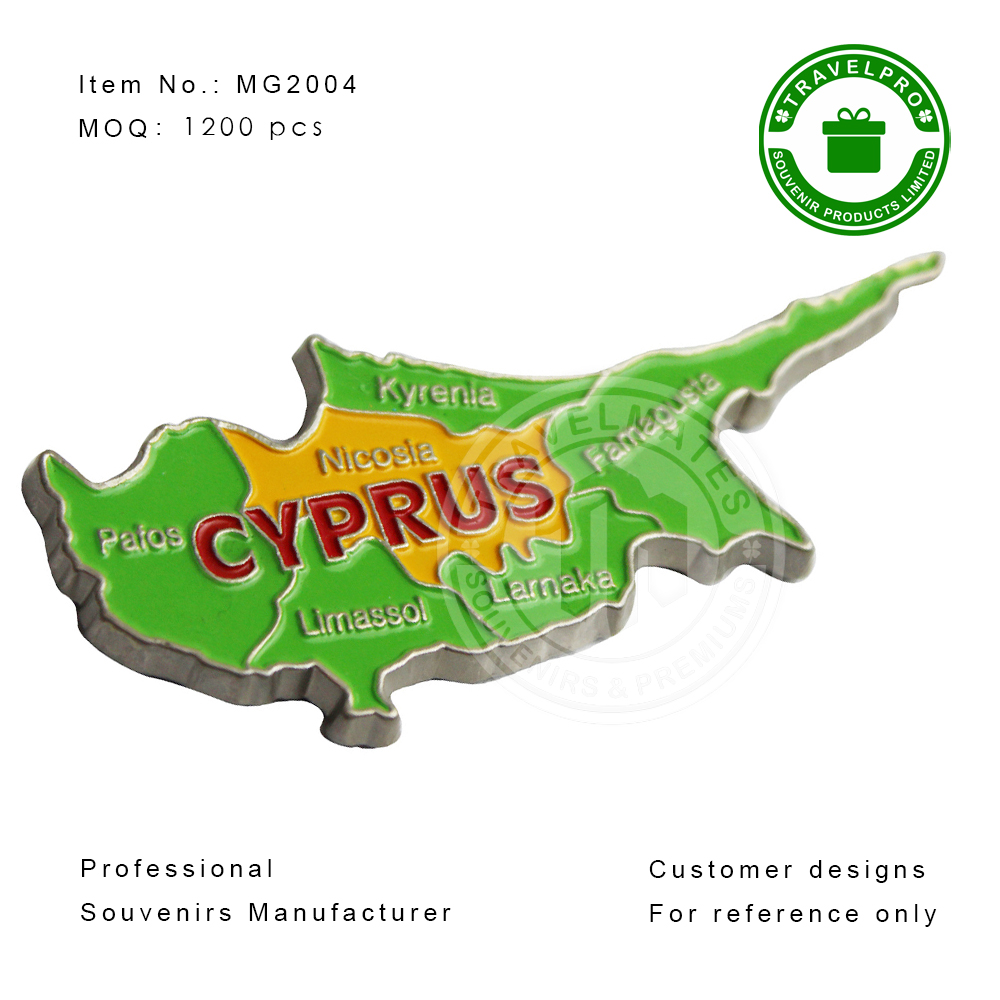
Your supply chain is only as strong as your manufacturing partners. Securing reliable wholesale souvenir magnets requires strict vendor evaluation. You must verify their capabilities before committing large sums of money.
Start by aligning your plans with supply chain realities. Map out the exact lead times from purchase order issuance to final delivery. You must differentiate heavily between domestic turnaround times and overseas shipping. Domestic vendors might deliver in two weeks. Overseas suppliers might take eight to twelve weeks. Failing to account for ocean freight transit times guarantees an empty display rack during your busiest month.
Next, evaluate the vendor's actual capabilities. Do not base your decision solely on the cheapest quote. Assess their production scalability. Can they handle a sudden rush order if your mid-season sales explode? Look at their historical on-time delivery rates. Ask for references from other tourist retail businesses. You also need to verify consistency in material quality. A magnet that loses its magnetic pull or suffers from rapid print fading will destroy customer trust and invite negative reviews.
Finally, navigate the tension between Minimum Order Quantities (MOQs) and your storage constraints. Many factories demand high MOQs. This often overwhelms a small retail backroom. Learn to negotiate effectively.
These tactics help you hit wholesale price tiers without cluttering your valuable retail floor space.
Not all product designs carry the same financial risk. Managing your seasonal souvenir inventory requires careful categorization. Segmenting your catalog prevents catastrophic overstock at the end of the year.
Your foundation is Evergreen Core Stock. These include general destination names, classic local landmarks, and iconic regional wildlife. They never expire. They never go out of style. Evergreen designs should make up 70% to 80% of your total bulk order. They carry virtually zero obsolescence risk. If you do not sell them this summer, you can easily sell them next spring at full price.
The second category is Event or Time-Bound Stock. These designs carry specific dates, like "Summer 2024" or commemorate a specific local festival. They offer great novelty appeal and often sell quickly during the actual event. However, their value drops to zero the moment the event concludes. A magnet dated last year becomes unsellable dead weight.
Inventory Category Comparison Chart
| Parameter | Evergreen Core Stock | Event / Time-Bound Stock |
|---|---|---|
| Design Examples | City skylines, state maps, local animals. | "Spring Break 2024", Centennial Festival. |
| Portfolio Allocation | 70% - 80% of total inventory. | 20% - 30% of total inventory. |
| Obsolescence Risk | Extremely Low. | Extremely High. |
| Ordering Strategy | High volume, frequent replenishment. | Strict single-run, non-replenishable orders. |
Strict risk mitigation is essential here. You must limit time-bound inventory to strict, non-replenishable runs. Order them once. Sell through them. Do not reorder them, even if you sell out a few days before the event ends. It is far better to miss out on a few late sales than to hold hundreds of dated, worthless units in January.
A reactive approach to inventory always causes stress. Setting up a proactive fridge magnet reorder system keeps your shelves full automatically. It removes human error from the daily operational equation.
Begin with POS integration and automation. Relying on visual checks or manual cycle counts invites trouble. Staff members get busy and forget to count the racks. Instead, program your calculated Reorder Points directly into your software. Set automated low-stock alerts. The moment your inventory hits the designated threshold, the system should notify you to review a pre-drafted purchase order.
You must also conduct mid-season performance audits. Automation is helpful, but it is not infallible. Schedule a mandatory inventory review three weeks into your peak season. Analyze the actual sell-through rates against your initial forecasts. If a specific design is selling twice as fast as expected, adjust your reorder velocity immediately. Waiting until the end of the month might result in a devastating two-week stockout.
Finally, plan your off-season wind-down procedures carefully. Implement aggressive discounting strategies for any remaining time-bound magnets during the final weeks of the tourist season. Convert them into cash, even at a lower margin. For your evergreen overstock, ensure secure storage. Keep them in climate-controlled environments. Extreme heat or fluctuating humidity degrades magnetic backing and causes vibrant print colors to fade. Proper storage protects your assets for the following year.
Removing the guesswork from seasonal inventory management protects your retail profitability. By relying on historical data, you build a forecasting foundation you can trust. Partnering closely with reliable vendors ensures your supply chain remains resilient during chaotic peak seasons. Segmenting your stock appropriately minimizes your financial risk regarding obsolete, dated items.
Your next step is immediate action. We recommend you pull and audit last year's sales data today. Identify your peak weeks and calculate your upcoming reorder points. Then, initiate conversations with your wholesale partners. Locking in peak-season pricing and securing early production slots now prevents panic and guarantees you are ready when the tourist crowds arrive.
A: You should order standard inventory 8 to 12 weeks before your peak season begins. This buffer accounts for the time needed for artwork proofing, physical manufacturing, and international transit. Building in this lead time protects you against unpredictable customs delays and ensures your shelves are fully stocked when foot traffic surges.
A: Implement an immediate inbound quality assurance process. Inspect cartons the moment they arrive. Log any broken or defective pieces in your POS system instantly. Follow this up with bi-weekly physical cycle counts on the retail floor. Comparing the physical count to your automated system highlights discrepancies caused by theft or handling damage.
A: Leverage data from your local tourism board or Chamber of Commerce. Look at historical hotel occupancy rates and regional foot traffic estimates. Assume a conservative capture rate for your storefront. Start by negotiating lower Minimum Order Quantities (MOQs) with domestic vendors. This allows you to test the waters and reorder quickly without risking massive capital upfront.

