
Views: 0 Author: Site Editor Publish Time: 2026-10-30 Origin: Site


Sourcing a production partner for a single custom batch feels relatively easy in today’s global market. Securing a reliable vendor capable of executing flawless repeat orders presents a massive challenge. Procurement frequently breaks down during the re-ordering phase. Many businesses face major hurdles when attempting to scale their merchandising efforts. Inconsistent Pantone matching ruins brand identity and frustrates loyal customers. Sudden lead-time extensions disrupt your seasonal launch schedules. Unexpected mold fees on re-orders severely erode your profit margins.
These unmanaged risks quickly damage your retail reputation. They also create logistical nightmares for your inventory management teams. We aim to solve this exact sourcing challenge through objective evaluation. This guide provides a rigorous framework to audit and shortlist a primary custom souvenir manufacturer. You will learn actionable strategies to prioritize scalability and operational efficiency. You will discover how to secure your intellectual property effectively. We will show you how to guarantee strict batch-to-batch consistency for every future order.
Repeat orders often fail due to hidden factory practices and poor communication. The "bait and switch" tactic remains a common threat in overseas manufacturing. Vendors frequently allocate their top-tier machinery for your first sample run. They want to impress you and secure the initial contract. They then shift production to lower-tier subcontractors for subsequent bulk runs. This practice degrades your product quality immediately.
Tooling degradation also ruins product consistency over time. Factories often fail to maintain or replace die-casting molds properly. This neglect results in a severe loss of intricate detail on later production runs. Your crisp logo edges slowly become blurred and unrecognizable. Material sourcing instability introduces further risks to your inventory. Manufacturers often change raw material suppliers between orders to cut their own costs. These unannounced changes lead to glaring weight, color, and texture discrepancies.
To prevent these failures, you need strict success criteria. A vetted manufacturer must demonstrate standardized Standard Operating Procedures (SOPs). They should enforce strict rules for mold retention and material consistency. They must also provide dedicated account management to oversee your recurring orders. You cannot rely on blind trust when scaling a merchandise brand.
You must evaluate potential partners using strict operational metrics. Quality Management Systems (QMS) form the absolute foundation of reliability. Look for factories holding active ISO 9001 certifications. They should document their internal QA/QC checkpoints clearly. These checkpoints must include thorough raw material inspection. They must also perform in-line inspections during assembly. Finally, they must execute a final random inspection before packaging.
Next, assess their actual production capacity versus scaling reality. Do they have the machine count to handle peak-season surges? Your baseline repeat orders should never face delays during busy holidays. You need a partner capable of absorbing sudden volume increases effortlessly.
Defect tolerance and make-good policies require your immediate attention. Establish clear contractual limits for acceptable defect rates before ordering anything. A standard acceptable rate often sits below two percent for custom hardware. You must outline the exact financial recourse for unacceptable batches in writing. Will they rework the items, or will they issue a direct refund?
Finally, look for ERP and workflow transparency within their facility. Manufacturers utilizing integrated manufacturing resource planning (MRP) systems perform better. They are statistically more reliable for Make-to-Order (MTO) workflows. Recurring timelines stay on track when facilities use proper software to track raw materials.
| Evaluation Category | Baseline Requirement | Strategic Partner Standard |
|---|---|---|
| Quality Control (QMS) | Basic internal visual checks | ISO 9001, documented in-line & final inspections |
| Defect Policy | Verbal promise to replace | Contractual <2% defect tolerance with financial recourse |
| Workflow Tech | Manual spreadsheets | Integrated MRP/ERP for Make-to-Order tracking |
| Capacity | Sufficient for current order | Proven ability to scale during Q4 peak seasons |
Consolidating your supply chain reduces significant overhead for your business. Managing different suppliers for every individual SKU hurts your bottom line. It increases your overall shipping costs dramatically. It also multiplies communication errors across different time zones. Furthermore, it introduces frustrating tariff complexities during customs clearance. You need a centralized partner capable of handling multiple product lines flawlessly.
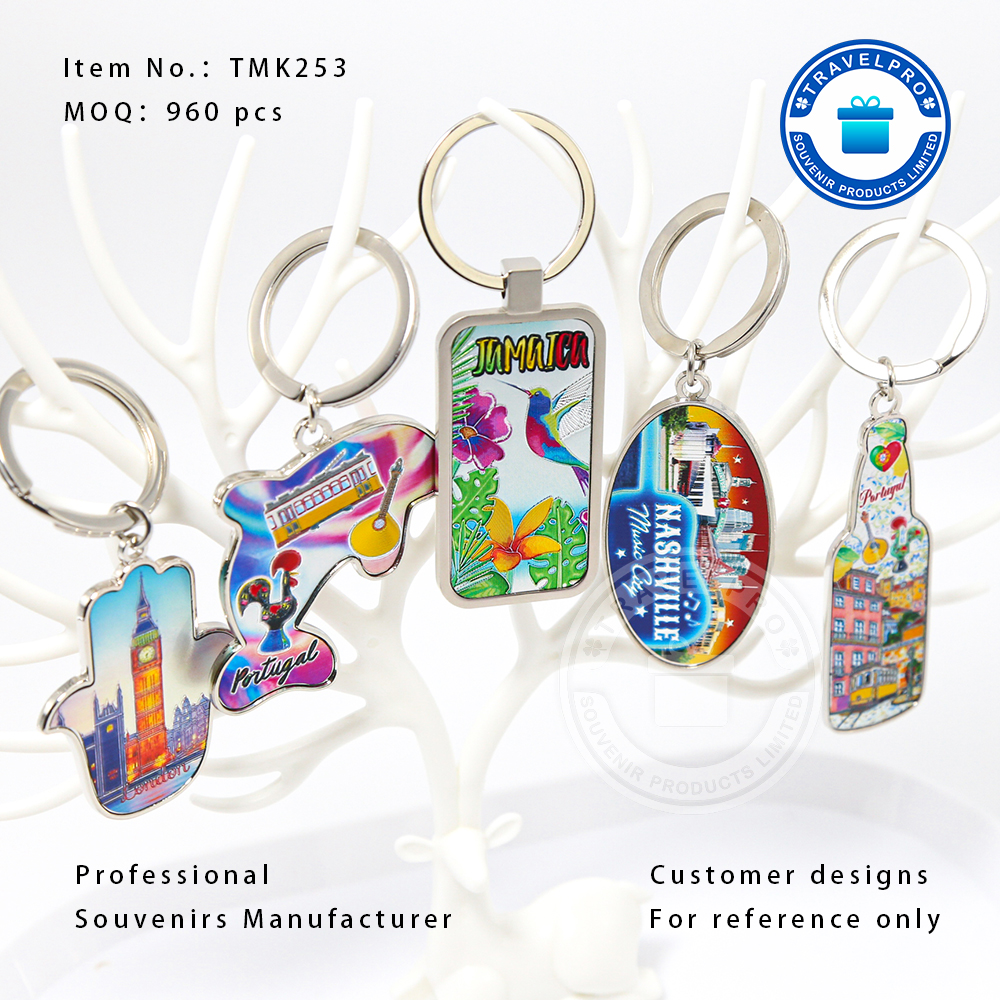
When sourcing custom keychains, look closely at their specific production techniques. Assess their die-casting precision for complex shapes. Check their hard and soft enamel filling capabilities. You must also verify their plating durability. Ensure the finish offers high resistance to chipping or tarnishing over years of daily use.
For custom magnets, focus heavily on visual and functional longevity. Evaluate their print resolution and color vibrancy. Verify their UV-coating protection to prevent fading in sunny environments. You should always test the actual magnetic adherence strength directly. The thickness of the magnetic backing determines how well it holds heavy paper on a fridge door.
Finally, examine their approach to manufacturing custom pins. Inspect the exact precision of their metal linework. Check for color-fill consistency to ensure no enamel over-spill occurs between borders. You also need to verify the structural integrity of the backing clutches. Flimsy backings lead to immediate customer complaints and lost merchandise.
Never skip the sampling phase when working with a new factory. Virtual proofs help you confirm basic layout and spelling accuracy. However, physical Pre-Production (PP) samples confirm weight, finish, and tactile quality. You should never waive physical sampling on a newly cut mold. The risk of mass-producing an error is simply too high.
You must establish a definitive "Golden Sample" during this critical stage. Follow this protocol to protect your investments:
Use the initial sampling phase to test their operational speed. Audit their communication habits and logistical efficiency closely. Do they answer emails promptly during your business hours? Do they provide clear tracking numbers without you asking? Slow sample delivery often foreshadows severely delayed bulk production. Pay attention to how they handle revisions. A good partner embraces feedback and adjusts the mold willingly.
Contract terms dictate the long-term profitability of your manufacturing relationship. You must clarify mold fees and retention periods immediately. Do they charge setup fees for every single production run? A reputable factory treats the mold fee as a one-time upfront cost. Ask how long they guarantee mold retention without use. Twelve to twenty-four months represents a standard industry retention period. If they discard molds after six months, you will face constant remaking fees.
Intellectual Property (IP) protection requires strict legal boundaries to secure your brand value.
You also need transparent tiered pricing for your repeat orders. Establish a clear pricing matrix based on exact volume tiers upfront. Discuss MOQ flexibility early in the negotiation process. Ask if they lower Minimum Order Quantities (MOQs) for returning clients running established molds. Favorable terms here drastically improve your inventory cash flow.
| Contract Element | Unfavorable Term (Risk) | Favorable Term (Secure) |
|---|---|---|
| Mold Setup Fees | Charged per production run | One-time fee only |
| Mold Retention | Under 6 months of inactivity | 12 to 24 months guaranteed retention |
| IP Protection | No formal NDA signed | Signed NDA and Non-Compete enforced |
| Catalog Display | Factory uses your design for marketing | Strict ban on public display of your IP |
Transitioning from simple vendor selection to a strategic partnership requires objective filtering. You must recognize critical red flags early in the conversation. Disqualify any factory refusing to allow third-party inspection agencies like SGS or V-Trust. Honest manufacturers welcome external audits. Evading direct questions regarding where actual manufacturing takes place represents another massive red flag. This behavior usually identifies trading companies masquerading as direct factories. You want to communicate directly with the facility producing your goods.
Conversely, look for clear green flags indicating deep trust. A transparent breakdown of materials and unit costs shows honesty. Proactive suggestions for value engineering prove their industry expertise. For example, they might suggest a specific alloy change. This change could reduce shipping weight significantly without sacrificing visual aesthetics.
Your next steps should formalize this entire evaluation process. Draft a standardized Vendor Scorecard to rank each candidate objectively. Request detailed quotes for an identical technical specification from your top three candidates. Compare their responses side-by-side. Finally, order paid samples from the top two finalists. Comparing their actual output reveals the true winner.
Selecting a manufacturing partner requires looking past the initial unit price. You must evaluate their operational efficiency and reliability across multiple production lifecycles. Prioritizing long-term value over short-term savings prevents catastrophic supply chain failures. True profitability in custom merchandise relies on frictionless re-ordering and zero-defect delivery. Strict IP protection ensures your unique designs remain exclusively yours. Do not settle for vendors who cannot guarantee batch-to-batch consistency. Build a resilient supply chain by vetting your partners thoroughly from day one. Contact our engineering and production team today. We can review your technical specs and discuss favorable mold retention policies. Let us help you start your sampling process confidently.
A: Typically, no. Reputable manufacturers store your molds safely for one to three years. You only pay a one-time setup fee for the initial run. If the mold degrades from high-volume use, a good factory absorbs the cost of remaking it. Always confirm these retention terms in writing.
A: Yes. Repeat orders usually save one to three weeks of lead time depending on raw material availability. You bypass the design approval, mold creation, and initial sampling phases entirely. The factory simply pulls your retained mold and begins mass production immediately, making restocking much faster.
A: Specify exact Pantone (PMS) color codes in your official Purchase Order. Require the factory to match the physical "Golden Sample" rather than a digital PDF. Digital files suffer from monitor calibration differences. A physical sample ensures the enamel mixing and plating colors remain perfectly consistent across batches.
A: This highlights why third-party inspections remain vital before releasing your final payment. A sound manufacturing agreement dictates strict defect tolerances. The factory must rework or replace defective units at their own expense before shipping. Catching these errors at the facility prevents unsellable merchandise from reaching your warehouse.

