
Views: 0 Author: Site Editor Publish Time: 2026-07-30 Origin: Site


High tourist foot traffic does not automatically translate to profitability. Revenue leakage usually stems from misaligned inventory. Dead stock often sits quietly on your shelves tying up essential capital. Retail buyers and gift shop owners must pivot their approach immediately. They need to transition from buying what merely looks nice. Instead, they must adopt a rigorous data-driven strategy. This strategy requires a sharp focus on margins. You must also evaluate turn rates carefully. Supplier reliability plays a massive role in this ecosystem.
You can maximize Gross Margin Return on Inventory Investment (GMROI) effectively. Doing this eliminates seasonal dead stock before it accumulates. You simply need to audit your current product mix. Apply a strict financial lens to your inventory purchases. Vet your supply partners carefully. These deliberate steps form the foundation of a highly profitable retail operation.
Buying merchandise without a structured framework damages your business. It leads directly to cash trapped in slow-moving inventory. Retailers must focus intensely on the core metric of GMROI. This metric measures your inventory profitability accurately. It tells you exactly how many dollars you earn for every dollar invested in stock. Ignoring this calculation invites financial instability.
You must master the trade-offs between volume and margin. Lower-margin items sell quickly. Standard postcards represent a perfect example. They generate fast cash flow. High-margin goods move much slower. Artisanal local crafts require higher upfront investment. However, they deliver substantial profit per transaction. A healthy retail business needs both extremes working together. This balance ensures steady daily revenue while protecting overall profit goals.
Best Practice: Always evaluate a product category based on its annual turnover rate, not just its initial markup percentage.
To achieve this balance, successful buyers implement the 70/20/10 allocation rule. This framework dictates your purchasing budget distribution.
Implementation reality demands strict discipline. Do not plan assortments in a vacuum. You must map product orders directly to historical seasonality. Review your previous category performance meticulously. Buy heavier in categories showing upward historical trends. Cut funding to declining segments immediately. Data must drive every purchasing decision.
Capturing diverse tourist spending behaviors requires a strategic store mix. Different travelers seek different keepsakes. You must provide targeted solution categories. Proper categorization prevents choice paralysis for the consumer. It also simplifies your inventory management processes.
Common Mistake: Treating utility items purely as commodities. Slapping a high-quality local logo on an umbrella transforms a grudge purchase into a memorable keepsake.
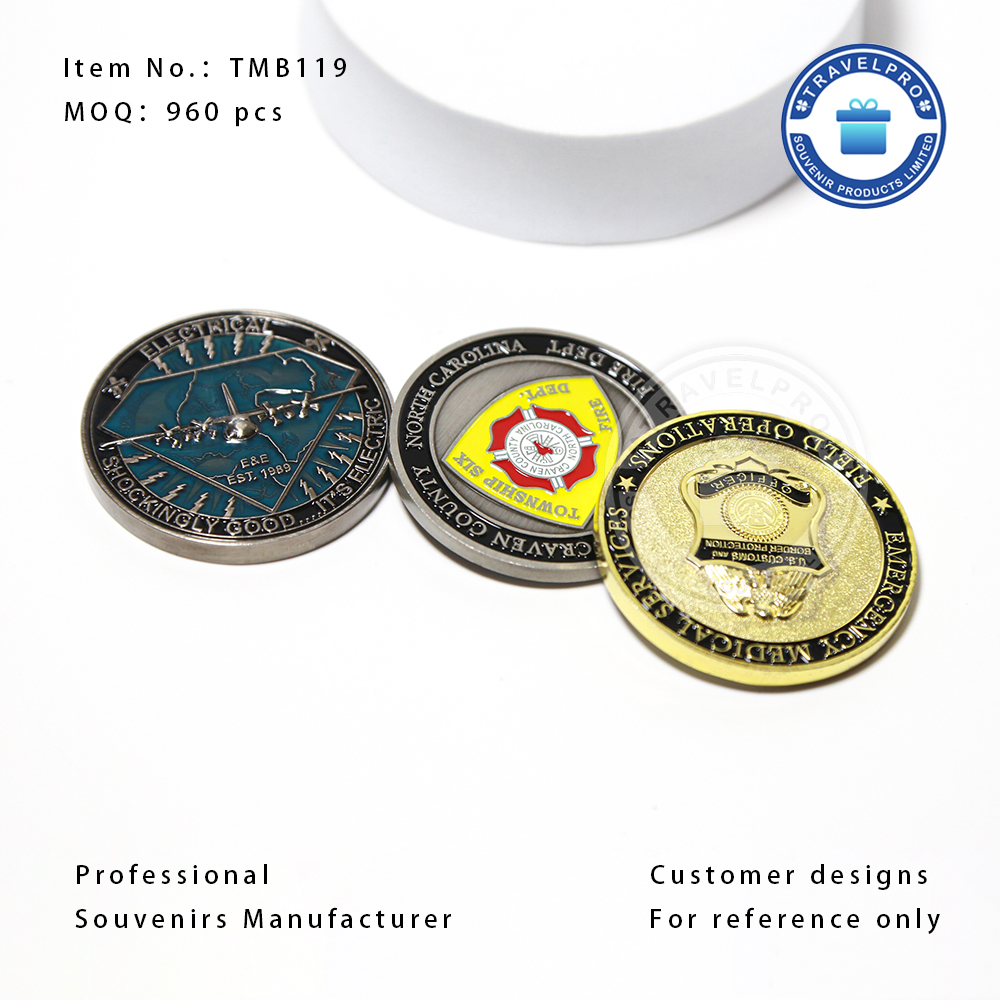
Assessing physical products before committing to bulk purchases prevents catastrophic inventory mistakes. You must evaluate multiple dimensions simultaneously. Securing the lowest unit price rarely equates to securing the best value. Poor quality inventory damages your store reputation instantly.
Material durability dictates the perceived value of your wholesale souvenir gifts. The absolute cheapest option often results in brand damage. Tourists want keepsakes capable of surviving long flights home. Evaluate the physical weight of metal items. Check the finish on painted ceramics. Examine the overall packaging quality. Flimsy materials signal cheapness to the buyer. They will refuse to pay premium retail prices for flimsy goods.
Compliance and safety represent critical factors. Buyers overlook these requirements too often. You must verify regulatory compliance rigorously. Drinkware must meet FDA or equivalent food-safety standards. Children's toys require strict adherence to lead-paint regulations. Selling non-compliant goods exposes your business to massive legal liabilities.
Packaging impacts your operational efficiency directly. Pre-packaged or retail-ready items reduce labor costs significantly. Your staff spends less time unboxing and tagging merchandise. Furthermore, premium packaging increases the perceived gift-ability. Consumers gladly pay more for items ready to hand to a loved one.
| Evaluation Category | Primary Checkpoint | Business Impact |
|---|---|---|
| Material Durability | Weight, finish, and structural integrity | Drives perceived value and supports higher markup |
| Safety Compliance | FDA standards, lead-paint testing | Mitigates legal risk and product recalls |
| Retail Packaging | Shelf-ready display boxes, barcode presence | Reduces staff labor and boosts gift appeal |
Introducing new inventory always carries inherent financial risks. Overcommitting to untested product lines can devastate your cash flow. Smart buyers utilize specific strategies to mitigate these adoption risks. You must protect your working capital fiercely.
Navigating Minimum Order Quantities (MOQs) requires strong negotiation skills. Manufacturers often demand large upfront commitments. You should negotiate pilot runs whenever possible. Ask for lower MOQs for unproven custom designs. Test these smaller batches during shoulder seasons. Analyze the sell-through data carefully. Once proven, you can safely place massive bulk orders for the peak season.
Lead time calculations demand precise attention. You must account for numerous supply chain variables. Ordering six to eight months ahead for overseas shipments remains mandatory. Ocean freight delays happen frequently. Customs inspections can hold your goods for weeks. Build generous buffers into your delivery schedules. Conversely, you should rely on domestic suppliers for mid-season top-ups. They charge slightly more but deliver much faster.
Best Practice: Always maintain a secondary domestic supplier on file. Use them specifically for emergency restocking of your top-selling items.
You must establish strict exit strategies for dead stock. Hope is never a viable inventory strategy. Plan markdown cadences before the merchandise even arrives. If an item underperforms after 60 days on the shelf, act quickly. Implement bundling strategies to move stagnant pieces. Pair a slow-moving mug with a fast-selling t-shirt. Liquidate the dead stock to free up shelf space for winning products.
Your business relies heavily on your supply chain partners. You must transition from purely transactional buying to forming strategic vendor partnerships. A reliable supplier acts as an extension of your own business. Evaluating them requires a comprehensive framework.
Demand transparent pricing structures immediately. Hidden fees destroy your profit margins. Beware of unexpected freight charges appearing on final invoices. Watch out for hidden customization setup fees. Fluctuating tariffs can also erode your profits. Always demand landed-cost estimates upfront. A landed cost includes manufacturing, shipping, customs, and insurance. It reveals the true cost of getting the item onto your shelf.
Prioritize suppliers possessing in-house customization capabilities. Many companies merely act as middlemen. They farm out the printing and engraving to third parties. Middlemen add unnecessary markups. They also lose control over quality. Direct manufacturers control their own machinery. They ensure superior quality control. They also provide significantly faster turnaround times for your orders.
Scrutinize their defect and return policies closely. Manufacturing errors happen occasionally. A trustworthy supplier anticipates this reality. They will offer a clear, documented process for replacing damaged goods. They will reprint misprinted merchandise without arguing. If a vendor refuses to guarantee their work, walk away immediately. Your shop cannot afford to absorb their manufacturing mistakes.
Your next step requires immediate action. Request a physical sample pack from prospective vendors. Ask for their top three sellers. You need to touch the materials yourself. Inspect the print durability under bright lights. Scratch the paint to test adhesion. Always conduct these physical inspections before signing any binding purchase orders.
Building a highly profitable gift shop requires a fundamental operational shift. You must abandon emotional purchasing habits immediately. Successful retailers utilize a structured, margin-focused evaluation framework. They optimize their product mix constantly. They manage their supply chain relationships with intense scrutiny. Every inventory dollar must earn its place on your shelves.
Take decisive action today. Audit the bottom-performing 20% of your current inventory. Identify the slow movers dragging down your cash flow. Begin shortlisting new vendors immediately. Look for partners offering transparent terms. Prioritize those delivering high-quality customization and reliable lead times. Replace those underperforming SKUs with data-backed merchandise before your next peak season arrives.
A: It typically ranges from 50% to 75% gross margin, representing keystone pricing or higher. However, highly exclusive custom items can often sustain a 300% or greater markup. This largely depends on the perceived value and the uniqueness of the localized design.
A: Start with a reliable 70/30 split. Use generic, low-cost items to drive volume and capture impulse buys. Rely on your tailored custom merchandise to drive overall profitability, build store exclusivity, and increase long-term brand recall among tourists.
A: It varies heavily by product type. Generic items may only require orders in the low hundreds. Conversely, custom-molded or heavily branded items often require MOQs of 500 to 1,000 units to remain cost-effective. Always ask vendors about pilot-run pricing options.

