
Views: 0 Author: Site Editor Publish Time: 2025-10-24 Origin: Site


Ever struggled with opening a bottle? You're not alone! Bottle openers are essential tools designed to simplify the process, ensuring both efficiency and safety. Using them correctly prevents damage and spills. In this post, you'll learn about various types of bottle openers, their uses, and tips for mastering each one.
Bottle openers come in various designs, each tailored to different types of bottles and user preferences. Understanding these types helps you choose the right tool for the job and ensures smooth, safe opening every time.
The traditional corkscrew is the classic tool for opening wine bottles sealed with corks. It features a pointed metal helix (called a worm) that screws into the cork. Once securely embedded, you pull the cork out manually. This opener is simple, portable, and widely used, but it requires some skill to avoid breaking the cork.
Lever corkscrews use a lever mechanism to extract corks easily and with minimal effort. After screwing the worm into the cork, you pull a lever down, which lifts the cork out smoothly. This type is popular among wine enthusiasts and professionals because it combines efficiency and elegance. It’s especially useful for those who open bottles frequently.
Also known as the sommelier knife, the waiter's corkscrew is a compact, foldable tool combining a worm, a lever arm, and often a small knife for cutting foil. It’s favored by waiters and sommeliers for its portability and multifunctionality. The lever arm acts as a fulcrum, making cork removal easier than with a traditional corkscrew.
Electric bottle openers automate the cork removal process. You place the opener on the bottle’s neck and press a button. The motor drives the worm into the cork and extracts it smoothly. These openers are ideal for people with limited hand strength or those who want a quick, effortless experience. They usually require charging or batteries.
Wall-mounted openers are fixed devices attached to a wall or bar. They often feature a simple lever or hook design for popping off bottle caps, commonly on beer or soda bottles rather than wine. These openers are convenient in busy settings like bars or kitchens, providing quick access and freeing your hands.
Using a traditional corkscrew might seem tricky at first, but it becomes easy once you know the steps. Here’s how to open a wine bottle using this classic tool:
Remove the Foil: Start by cutting the foil covering the bottle’s neck. Use a small knife or the foil cutter usually included on some corkscrews. Cut just below the lip of the bottle to expose the cork.
Position the Corkscrew: Place the tip of the corkscrew’s worm (the spiral metal part) at the center of the cork’s top. This helps ensure the worm goes in straight.
Insert the Worm: Twist the corkscrew clockwise, pushing the worm into the cork. Stop when only one spiral turn remains visible. Avoid screwing all the way through the cork to prevent cork bits falling into the wine.
Pull Out the Cork: Grip the bottle neck firmly with one hand. With the other, pull the corkscrew upward steadily. Use a rocking motion if needed, but avoid jerking to prevent breaking the cork.
Remove the Cork from the Corkscrew: Once the cork is out, twist it counterclockwise to remove it from the worm.
Screwing Too Deep: Driving the worm all the way through the cork can cause it to crumble or break, leaving bits in the wine.
Not Centering the Worm: If the worm isn’t centered, it can pierce the cork unevenly, increasing the chance of damage.
Using Excessive Force: Pulling too hard or fast may snap the cork or cause spillage.
Ignoring Foil Removal: Failing to cut and remove the foil first can make it harder to insert the corkscrew properly.
Practice Steady Hands: Keep your hands steady while inserting and pulling to avoid cork damage.
Use a Clean Corkscrew: Dirt or rust on the worm can contaminate the wine or make screwing difficult.
Warm the Bottle Slightly: If the cork is stuck, warming the bottle neck gently in your hands can help loosen it.
Keep a Towel Handy: It helps grip the bottle better and catch any drips.
Mastering the traditional corkscrew takes a little patience, but it’s a rewarding skill for wine lovers. Using the right technique ensures a clean, smooth opening every time.
Using a lever corkscrew is one of the easiest ways to open a wine bottle. Its clever mechanism reduces effort and speeds up the process. Follow these steps for smooth cork removal:
Remove the Foil: Start by cutting the foil around the bottle’s neck using a foil cutter or small knife. Peel it away to expose the cork.
Position the Corkscrew: Place the lever corkscrew’s worm (the spiral) directly over the center of the cork.
Insert the Worm: Push the lever handle down to drive the worm into the cork. The lever’s mechanism makes this step quick and requires minimal force.
Extract the Cork: Pull the lever back up slowly. The cork will slide out smoothly thanks to the lever action.
Release the Cork: Once removed, twist the cork off the worm by turning it counterclockwise.
Lever corkscrews often feature a double-lever or a single-lever design. Both work similarly, offering a clean, efficient opening experience.
Effortless Operation: The lever mechanism requires less strength than traditional corkscrews.
Speed: Opens bottles faster, ideal for busy settings or frequent use.
Reduced Cork Damage: The steady, controlled motion lowers the risk of cork breakage.
Elegant Design: Many models combine functionality with stylish looks, perfect for professionals or enthusiasts.
Ergonomic: Comfortable handles reduce hand fatigue during repeated use.
To keep your lever corkscrew in top shape, follow these simple tips:
Clean After Use: Wipe the worm and lever to remove cork residue or wine spills.
Lubricate Moving Parts: Apply a small amount of food-safe lubricant to hinges and joints to keep movement smooth.
Check for Wear: Inspect the worm for bending or dullness; replace if worn to prevent cork damage.
Store Properly: Keep the corkscrew in a dry place to avoid rust or corrosion.
Avoid Excess Force: If the cork feels stuck, don’t force the lever; try warming the bottle neck or use a different opener.
Regular maintenance extends the life of your lever corkscrew and ensures every bottle opens effortlessly.
Selecting the perfect bottle opener depends on several key factors:
Type of Bottle: Wine bottles usually need corkscrews, while beer or soda bottles use cap removers. Knowing your bottle type helps narrow choices.
Frequency of Use: For occasional use, a simple traditional corkscrew or waiter's corkscrew works well. Frequent openers may prefer lever or electric models for speed and ease.
User Strength and Dexterity: Electric openers suit those with limited hand strength or arthritis. Manual types require varying effort levels.
Portability: Waiter's corkscrews are compact and easy to carry, ideal for picnics or travel. Wall-mounted openers stay fixed but offer quick access at home or bars.
Durability and Maintenance: Metal openers last longer but may need cleaning and occasional lubrication. Plastic models might wear out faster.
Budget: Prices range from affordable basic models to high-end designer openers. Consider how much you want to invest.
Aesthetic Preferences: Some openers double as stylish accessories, fitting your kitchen or bar décor.
| Opener Type | Best For | Pros | Cons |
|---|---|---|---|
| Traditional Corkscrew | Casual wine drinkers | Simple, portable, affordable | Requires skill, manual effort |
| Lever Corkscrew | Frequent wine openers | Easy, fast, less effort | Bulkier, higher cost |
| Waiter's Corkscrew | Professionals, portability | Compact, multifunctional | Moderate effort, learning curve |
| Electric Opener | Limited hand strength users | Effortless, quick | Needs charging/batteries, pricier |
| Wall-Mounted Opener | Beer/soda at home or bars | Always accessible, durable | Fixed location, limited to caps |
Casual Wine Drinkers: Traditional or waiter's corkscrew offers a good balance of cost and function.
Wine Enthusiasts/Professionals: Lever corkscrews provide speed and reliability, enhancing the experience.
People with Dexterity Issues: Electric openers reduce strain and simplify opening.
Home Bars or Kitchens: Wall-mounted openers keep caps off bottles quickly, ideal for beer or soda.
Outdoor Activities: Compact waiter's corkscrews are easy to carry and versatile.
Choosing the right opener enhances your enjoyment and prevents damage or accidents. Match your opener to your needs and preferences for best results.
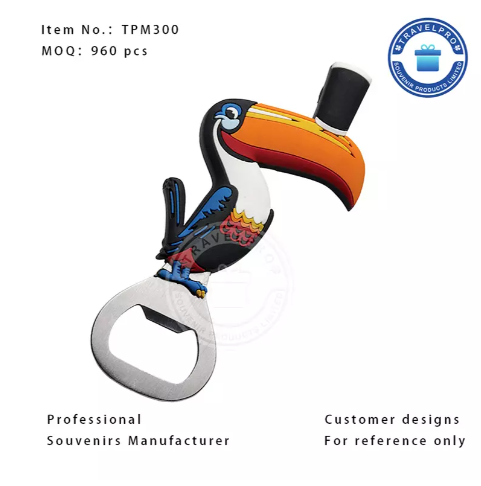
When you travel or visit new places, it’s always nice to bring home something that captures the essence of the location. Souvenir bottle openers serve as both practical tools and memorable keepsakes. These openers are often designed to reflect the culture, landmarks, or symbols of the places they represent, making them a fun and functional way to remember your travels.
Souvenir bottle openers offer more than just utility—they carry a piece of the destination with them. Whether it’s a beautifully crafted metal opener with an iconic local landmark, or one with a whimsical design, souvenir bottle openers can remind you of special moments and places. They make great gifts for friends or family and can add personality to your kitchen or bar area.
Unique Designs: Many souvenir bottle openers feature landmarks, symbols, or artwork representing the location, offering a creative way to commemorate a trip.
Durable Materials: Souvenir openers are typically made from durable materials like metal, wood, or acrylic, ensuring they last for years while maintaining their aesthetic appeal.
Practical Functionality: Just like regular bottle openers, these souvenirs are fully functional, making them useful for everyday use.
Bottle openers vary in design and function, catering to different bottle types and user needs. From traditional corkscrews to electric openers, each offers unique benefits for wine and beverage enthusiasts. Practicing proper techniques ensures safe and efficient use, enhancing the experience. Travelpro Souvenir Products Limited provides high-quality openers that combine style and functionality. Their products offer value through durability and ease of use, making them ideal for both casual and professional settings.
A: A bottle opener is used to remove caps or corks from bottles, such as wine, beer, or soda, making it easier to access the contents.
A: An electric bottle opener uses a motor to drive a worm into the cork and extracts it automatically, requiring minimal effort from the user.
A: Wall-mounted bottle openers offer convenience, durability, and quick access, making them ideal for busy settings like bars or home kitchens.
A: Lever corkscrews provide effortless operation, speed, and reduced cork damage, making them perfect for frequent wine openers.

