
Views: 0 Author: Site Editor Publish Time: 2026-05-28 Origin: Site


Modern travelers suffer from cheap trinket fatigue. They constantly reject flimsy, easily broken items scattered across checkout counters. Shoppers today demand keepsakes offering genuine emotional connection. You need inventory boasting true utility or premium aesthetics. Relying on generic, low-quality inventory leads directly to stagnant dead stock. You simply waste valuable retail display space. The right procurement strategy balances low unit costs against high perceived retail value. We provide an evidence-based framework for sourcing better products. You will learn how to design and package high-margin inventory effectively. Read on to discover exactly how to choose the perfect souvenir keychain. We will show you how to maximize profits and delight your visiting customers.
Modern tourists prefer functional, durable, or culturally meaningful keepsakes over generic, easily broken trinkets.
Material selection (Acrylic, Enamel, PVC, Metal) directly dictates your cost basis, retail pricing ceiling ($5 vs. $20), and target demographic.
Applying retail-ready packaging (like custom backer cards) is the most cost-effective way to multiply perceived value.
Vetting suppliers requires looking beyond unit price to assess MOQs, sample guarantees, and realistic production lead times.
A well-designed custom souvenir keychain is a high-visibility item. People use keys daily. They carry them to offices, gyms, and local cafes. They act as mobile advertisements for a specific destination or brand. Every time a customer pulls out their keys, your store gains exposure. You capture the attention of bystanders naturally. High-quality items stay on keyrings for years. Poor-quality items end up in the trash within weeks. You want your brand attached to a durable daily companion.
Reference current market realities carefully. Buyers actively reject standard, flimsy designs. Modern consumers possess highly refined tastes. You must overcome this widespread tourist fatigue. You do this by offering items showcasing local cultural relevance. Premium craftsmanship also captures immediate attention. Stop stocking items looking identical to competitor inventory. You need unique shapes. You need local flavor. Retailers see massive success when they ditch generic plastic. Shoppers happily spend more for something feeling authentic.
Consider the profit margin reality driving your business. We see clear wholesale-to-retail metrics in this industry. A baseline item might cost $1 to $3 to produce. You can reliably retail these for $5 to $20. This pricing depends heavily on weight, functionality, and presentation. You generate massive returns by focusing on perceived value. A heavy item feels expensive. A beautifully packaged item commands premium pricing. Review these primary reasons tourists purchase these specific items:
Impulse Buying: Attractive displays near the register trigger quick decisions.
Gift-Giving: Small sizes make them perfect, inexpensive presents for friends back home.
Personal Collection: Many travelers actively collect small keepsakes from every visited city.
Acrylic represents the high-volume standard. It offers the lowest entry cost for retailers. You get vibrant full-color printing capabilities. Manufacturers easily seal photographs or complex artwork inside the plastic. Production times are usually very fast. However, acrylic holds some distinct disadvantages. It is highly prone to surface scratching over time. It carries a much lower perceived luxury status. You should use acrylic for colorful, youth-oriented designs.
Enamel and metal create highly premium keepsakes. They feel heavy and extremely tactile. Hard enamel offers a stunning, jewelry-like finish. The surface is polished completely flat. Soft enamel provides textured, recessed areas. You will find this material ideal when ordering metal keychain wholesale inventory. They suit milestone anniversaries or upscale boutiques perfectly. The downside includes higher upfront costs. You also face longer mold-making times during initial production.
Soft rubber or PVC serves as the durable innovator. These items are highly flexible. They resist impacts effortlessly. They are fully waterproof and weather-resistant. PVC supports fascinating micro-3D textures. You can raise specific design elements for tactile feedback. They make excellent family-friendly tourist keychains. Bright colors rarely fade in the sun. Parents love them because they do not scratch phone screens in pockets.
Functional hybrids merge aesthetic style and daily utility. You can integrate bottle openers directly into the metal mold. You can attach heavy-duty carabiners. You can even include mini-flashlights. These practical additions easily justify a higher retail price point. They encourage everyday carry among practical buyers. Shoppers love items solving minor daily problems. Review this material comparison chart to guide your purchasing decisions:
Material Type | Typical Cost | Durability Level | Best Retail Use Case |
|---|---|---|---|
Acrylic | Low ($1-$2) | Moderate | High-volume impulse buys, colorful art |
Metal & Enamel | High ($2-$4) | Very High | Upscale boutiques, anniversaries |
Soft PVC | Medium ($1.5-$3) | Excellent (Drop-proof) | Outdoor parks, family resorts |
Functional Hybrids | Medium-High ($2-$5) | High | Practical daily carry, gift shops |
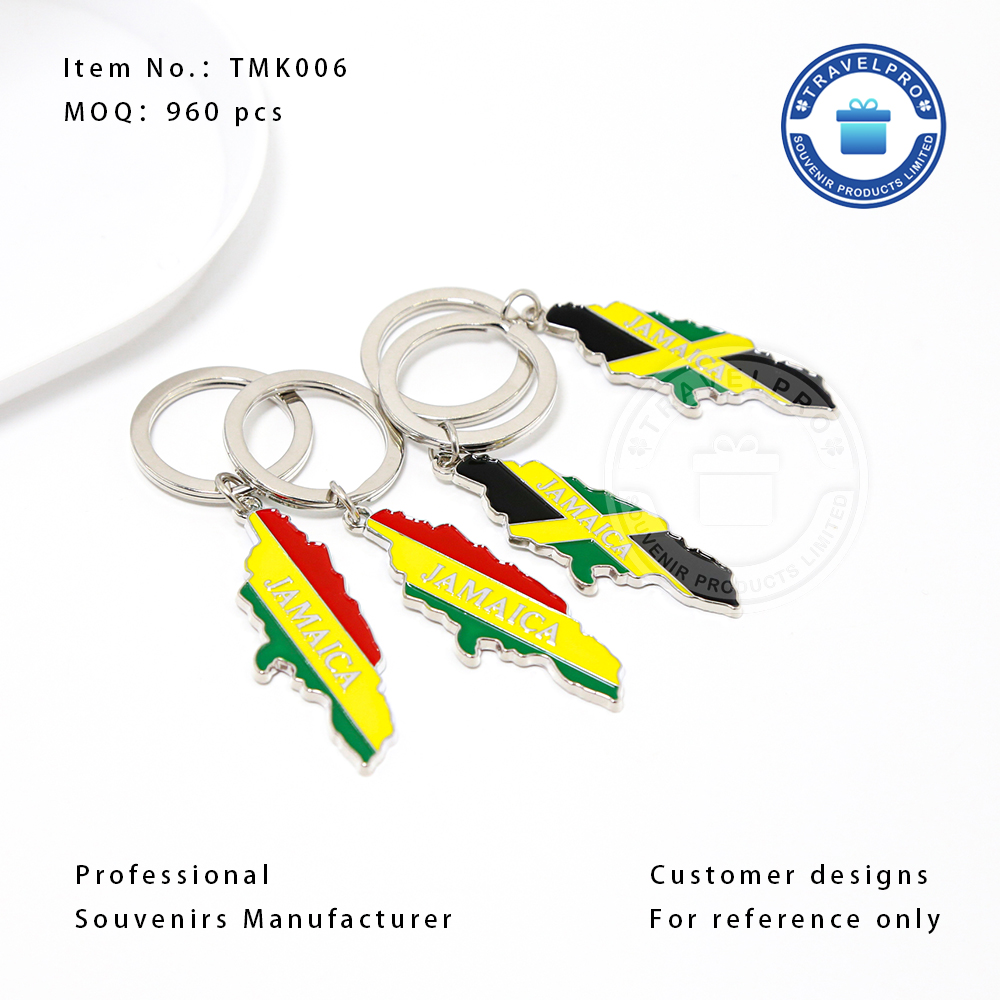
Great materials require equally great designs. We must focus on immediate visual impact. Keep typography strictly minimal. Shoppers only glance at displays briefly. Do not write full paragraphs. Rely on bold, recognizable landmarks. Use clear cultural icons. Highlight distinct mascot silhouettes. High contrast ensures readability from several feet away. Light elements pop against dark backgrounds. This draws the eye instantly.
Maximize your available design space. Never leave the back blank. Use the front side for the core visual. Use the reverse side for a subtle custom logo keychain imprint. You can also feature a commemorative date there. Adding a small map or coordinate line creates intrigue. Dual-sided printing maximizes value without doubling your production cost.
Avoid sharp, jagged edges. They frequently catch on pockets or fabrics. Complex cutouts increase production failure rates significantly. They also weaken the structural integrity of the piece. Keep outlines smooth. Follow natural curves. Pocket-friendly designs ensure long-term usage. Consumers quickly discard items ruining their clothing linings.
Keep the footprint highly practical. Standard sizes hover around two inches. Too large, and the item becomes a novelty rather than a functional tool. Consumers abandon bulky items quickly. Oversized items tangle with other keys. They make it hard to start car ignitions. Test physical prototypes before approving mass production. Follow these additional best practices to ensure high retail turnover:
Print your design at scale on paper before ordering.
Restrict your palette to three or four colors for clear visual hierarchy.
Ensure the metal attachment ring connects to a thick, reinforced border area.
Avoid extremely thin fonts; they become illegible when scaled down.
How you display merchandise changes everything. We must elevate the presentation entirely. Consider the loose bin versus the peg display. Throwing bare items into a countertop basket limits their pricing power. It signals a cheap commodity. Customers rummage through them carelessly. Hanging them neatly on a structured peg display elevates their perceived worth instantly. It creates a boutique shopping experience.
Backing cards represent the absolute gold standard for retail environments. Attaching your product to a custom-printed, die-cut backing card works wonders. It adds a professional retail footprint. It provides essential space for barcodes and pricing stickers. More importantly, it tells a micro-story. You can print brief historical facts about your location on the card. This turns a simple object into an educational keepsake.
Protective outer layers add further value. We highly recommend utilizing clear poly sleeves. Premium organza bags also work beautifully. This layer protects the inventory from scratching on the sales floor. Dust cannot settle into enamel crevices. It also elevates the purchase to "gift-ready" status. Customers appreciate items they can immediately hand to a friend. Avoid these common merchandising mistakes:
Leaving acrylic items exposed to direct sunlight, causing rapid fading.
Mixing premium metal items in bins alongside cheap plastic alternatives.
Failing to print distinct, scannable barcodes on the backing cards.
Using flimsy cardboard bending easily under the product's weight.
Finding a reliable manufacturing partner ensures steady inventory. You need consistency. Always check sample policies and proofing standards. Never skip the digital proof phase. Look for manufacturers offering unlimited digital revisions. Demand free physical samples or high-resolution photos before full production begins. You must verify color accuracy firsthand. Monitor how well the metal plating matches your brand expectations.
Evaluate tiered pricing carefully. Assess the overall scalability of the vendor. Reliable partners should offer transparent volume discounts. They must maintain reasonable Minimum Order Quantities (MOQs). High MOQs crush small retailers. Flexibility allows you to conduct A/B testing safely. You can try stocking unique gift shop keychains without massive financial risk. Order small batches initially. Scale up the winners.
Clarify all fulfillment realities upfront. Ask about average turnaround times. Standard overseas production takes two to three weeks. Domestic rush options might cost extra but save emergencies. Factor in potential shipping delays for bulk orders. Customs clearance can add unexpected days to transit times. You want to avoid out-of-stock scenarios during peak tourist seasons. Build a buffer into your ordering schedule.
Align material durability, smart design, and premium packaging to match your exact customer base.
Audit your current dead stock immediately to identify which materials or designs failed to sell.
Determine a new target retail price point based on the premium materials discussed above.
Request physical sample packs from two or three vetted manufacturers to compare quality firsthand.
Invest in custom backing cards to instantly elevate the perceived value of your new inventory.
A: Standard retail markups range from 3x to 5x the wholesale cost. This ratio is heavily dependent on the material used. Premium metal items command higher margins than basic acrylic. Including retail packaging like custom backing cards also justifies pushing your markup toward the higher 5x ceiling.
A: Soft rubber (PVC) offers the absolute best drop and weather resistance. It survives outdoor elements perfectly without cracking. Meanwhile, hard enamel and thick metal variants withstand long-term pocket friction best. They resist scratching much better than printed acrylic over years of daily use.
A: Not necessarily. Reputable B2B suppliers typically provide free template downloads in PSD or AI formats. Many offer complimentary in-house design assistance. They can easily convert your standard logos or reference photos into production-ready vector artwork for manufacturing.

