
Views: 0 Author: Site Editor Publish Time: 2026-10-25 Origin: Site


Shipping delicate items across borders is a high-stakes operation. A single heavy impact can instantly destroy intricate craftsmanship. Businesses face harsh financial realities when export logistics fail. Breakage rapidly erodes profit margins. It voids freight insurance claims and irreparably damages your brand trust among global buyers. Retailers face a difficult tension every day. They must maintain a premium unboxing experience for their customers. Yet, the product must survive brutal, multi-touchpoint international transit networks. Solving this requires more than just adding extra bubble wrap to a box. A strategic evaluation of materials, compliance standards, and engineering frameworks is essential. We will explore how you can source highly reliable packaging solutions. You will learn to navigate drop-test standards, select optimal cushioning, and design structural inserts. Ultimately, you will discover how to protect both your fragile products and your bottom line efficiently.
When an exported item shatters during transit, the financial damage extends far beyond the original manufacturing cost. You lose the international freight fees spent shipping the item. You often incur return shipping costs to retrieve the broken pieces. Finally, you must cover the cost of manufacturing and rushing a replacement unit to the frustrated customer. This compound margin erosion quickly drains profitability.
Freight forwarders and shipping carriers operate under strict liability limits. They routinely deny damage claims if your internal void fill or outer carton fails to meet minimum industry standards. Insurance adjusters will inspect the damaged parcel. If they find insufficient cushioning or substandard box strength, they classify the breakage as "improper packaging." This immediately nullifies your claim. You carry the entire financial burden.
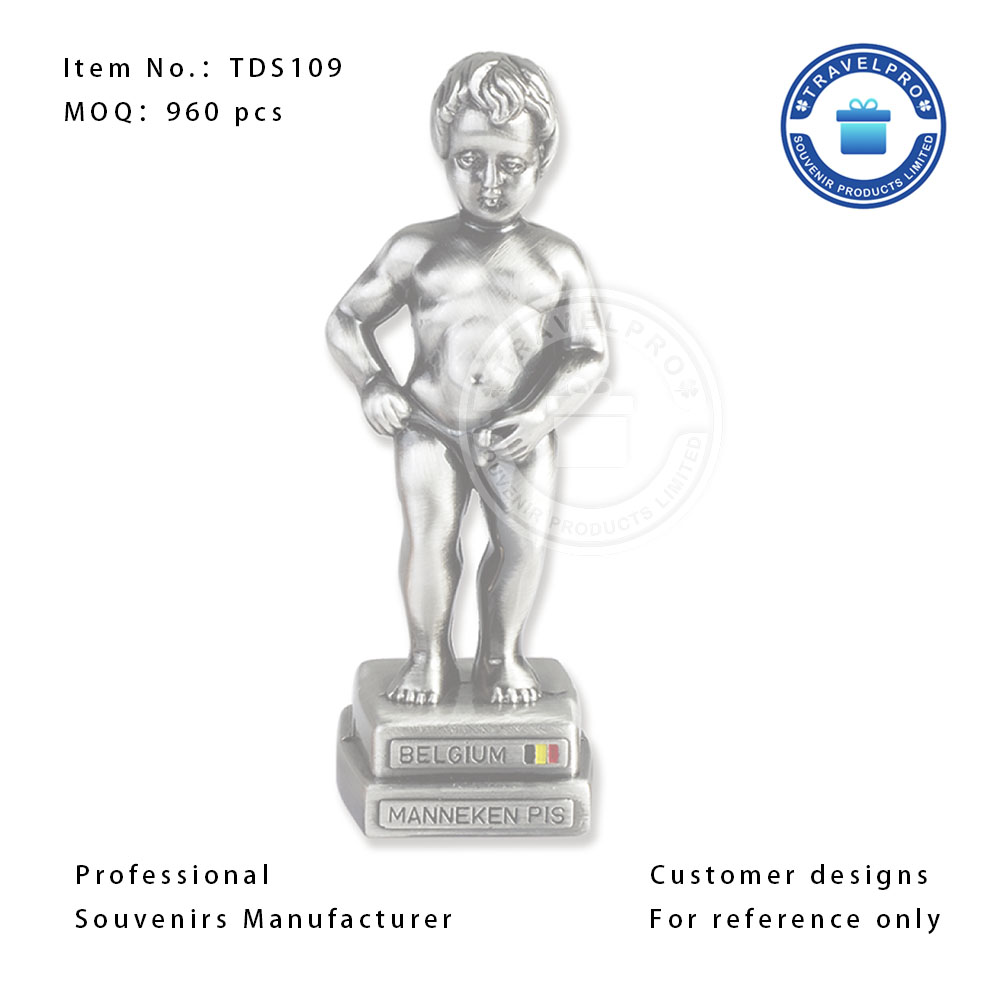
Understanding transit risks requires accurate vulnerability profiling. International export routes expose parcels to automated sorting impacts, pallet compression in cargo holds, and extreme temperature shifts. These hazards threaten different materials in unique ways. For example, a high-value glass souvenir easily shatters upon direct point-impacts or severe temperature fluctuations. Conversely, a multi-material souvenir statuette typically fails at its weakest joints. Sustained transit vibration causes delicate extremities, like sculpted arms or wings, to snap due to localized stress fractures.
Breakdown of Compound Packaging Failure Costs| Cost Category | Financial Impact | Business Consequence |
|---|---|---|
| Original Manufacturing | 100% loss of product value | Wasted raw materials and labor |
| Outbound Freight | Total loss of shipping fees | Dead capital in supply chain |
| Return Logistics | Additional shipping fees | Warehouse processing delays |
| Replacement Unit | Rush production and shipping | Severely degraded profit margin |
Best Practice: Always photograph your packaging layers before sealing the first bulk shipment. This documentation provides critical leverage when disputing denied insurance claims.
Common Mistake: Relying on standard carrier liability policies without declaring high values or verifying that your packaging meets the carrier's specific terms of service.
Selecting the right materials for souvenir gift packaging involves balancing structural integrity with unboxing aesthetics. The outer carton serves as your first line of defense. Single-wall corrugated boxes might suffice for domestic, lightweight shipments. However, export logistics demand double-wall corrugated cartons. You must match the Edge Crush Test (ECT) rating to your palletization weight. An ECT rating of 44 or higher ensures the bottom-tier boxes will not collapse under the vertical pressure of stacked pallets.
Internal cushioning must provide function without sacrificing form. Legacy materials like bubble wrap and packing peanuts offer decent protection but present poorly. They scatter easily, look cheap, and possess terrible sustainability metrics. Modern consumers expect more from premium unboxing experiences.
We recommend evaluating modern engineered alternatives. Molded pulp, custom-die-cut EPE (Expanded Polyethylene) foam, and high-density corrugated inserts deliver superior shock absorption. They suspend the item securely while offering a high-end, bespoke aesthetic. While these materials require higher upfront tooling costs, they drastically reduce labor and assembly time on your fulfillment line.
Cushioning Material Comparison Chart| Material Type | Shock Absorption | Presentation Aesthetic | Assembly Speed |
|---|---|---|---|
| Bubble Wrap | Moderate | Low (Messy) | Slow (Manual wrapping) |
| Packing Peanuts | Low to Moderate | Very Low | Fast (Pourable) |
| Custom EPE Foam | Very High | Premium | Very Fast (Drop-in) |
| Molded Pulp | High | Eco-Premium | Very Fast (Drop-in) |
Surface protection forms the final material consideration. Transit vibration generates constant micro-friction inside the box. You must utilize non-abrasive layers like acid-free tissue paper or spunbond fabric pouches. These materials wrap the item tightly. They prevent micro-scratches on highly polished glass surfaces or hand-painted finishes.
Protecting delicate goods requires a systematic engineering approach. You cannot just throw materials into a box. You must implement a multi-layer framework. This standard operating procedure (SOP) breaks down into three critical phases: immobilization, shock absorption, and exterior isolation.
Your primary goal is preventing any internal movement. You must engineer inserts that physically suspend the item within the inner carton. A souvenir statuette with delicate extremities demands custom contouring. The foam or pulp insert must precisely hug the fragile arms, wings, or base. This contouring distributes pressure evenly across the item's surface area. It prevents localized stress fractures from destroying narrow joints during rough handling.
Once you immobilize the item, you must build a buffer zone to absorb external kinetic energy. We highly recommend implementing the 2-inch rule. You must maintain a minimum distance of two inches of dense cushioning between the immobilized item and the outer carton walls. This gap allows the foam or corrugated buffers to compress and disperse impact force before it reaches the product.
For ultra-fragile exports, you should deploy a nested packaging system. The box-in-box method isolates the inner presentation box from exterior impact forces.
Best Practice: Always perform a simple "shake test" before sealing the final carton. If you hear or feel any internal shifting, your immobilization layer has failed.
Designing beautiful packaging means nothing if it fails international shipping standards. You must align your designs with rigorous testing protocols and customs regulations. ISTA (International Safe Transit Association) drop-test standards dictate how packaging should perform under duress. ISTA 1A covers basic drop and vibration testing. However, for international parcel delivery, ISTA 3A is the gold standard. It simulates multi-angle drops, sustained random vibration, and dynamic compression. Emphasize to your team that packaging must survive these tests before you ever approve bulk production.
You must also manage volumetric weight optimization. Carriers charge based on dimensional weight (DIM) if the box size exceeds the actual weight threshold. You face a constant tradeoff between adding protective layers and increasing DIM weight. Engineered custom inserts solve this problem. They reduce the overall box size by eliminating wasted void space. They maintain structural integrity while directly lowering your international freight costs.
Finally, navigate international customs and environmental regulations carefully. Many countries restrict certain organic packaging materials. For instance, untreated wood packaging often violates ISPM 15 regulations and will trigger border rejections. Furthermore, global markets are shifting rapidly toward easily recyclable void fill. Avoid expanded polystyrene (EPS) where possible. Opt instead for recyclable EPE foam, molded pulp, or shredded corrugated boards to ensure customs compliance and meet consumer sustainability expectations.
Your packaging is only as reliable as the manufacturer behind it. Selecting the right vendor requires strict vetting. You need a partner capable of merging structural engineering with scalable production.
First, demand robust engineering and prototyping capabilities. Buyers should require CAD (Computer-Aided Design) renderings and physical sampling. Never commit to a production run without reviewing physical drop-test data. A competent partner will gladly supply a prototype for you to test in real-world shipping scenarios.
Second, prioritize material agnosticism. Choose a vendor who recommends materials based on the specific fragility of your souvenir gift packaging requirements. Avoid suppliers who blindly push a single proprietary material, like their specific brand of bubble wrap. Your vendor should evaluate whether foam, pulp, or corrugated inserts best serve your unique product.
Third, evaluate supply chain reliability. Ask how they handle holiday volume spikes. Can they scale production quickly? Do they maintain consistent material density across large batches? Inconsistent foam density can lead to catastrophic breakage rates during peak season. They must also possess a track record of delivering on time to your fulfillment centers.
Watch out for distinct red flags during the vetting process:
Protecting fragile exports is a rigorous engineering challenge. It is never an aesthetic afterthought. From navigating ISTA compliance to selecting the perfect suspension inserts, every decision impacts your bottom line. Proper export packaging minimizes margin erosion, guarantees insurance compliance, and protects your global brand reputation.
Decision-makers should immediately audit their current breakage rates. Calculate the true ROI of investing in custom-engineered protective packaging. Compare your wasted freight and replacement costs against the upfront tooling fees for custom foam or pulp inserts. You will likely find that engineered protection pays for itself within a single quarter.
Take action today to secure your supply chain. Request a comprehensive packaging audit from your current vendor. Schedule a prototype consultation for your most fragile SKUs, and download detailed technical specification guides to standardize your packaging approach across all product lines.
A: For international export shipping, we recommend a minimum Edge Crush Test (ECT) rating of 44 for double-wall corrugated boxes. This rating ensures the carton can withstand heavy pallet compression and rough handling in automated sorting facilities without collapsing.
A: Custom foam, like EPE, offers vastly superior protection. It physically suspends the glass souvenir and disperses impact energy evenly. Bubble wrap only provides localized cushioning, often shifts during transit, creates a poor unboxing experience, and leaves products vulnerable to crushing.
A: Custom protective packaging often decreases your DIM weight. By engineering precise inserts that perfectly hug your product, you eliminate unnecessary void space. This allows you to use a smaller, highly optimized outer carton, thereby reducing international freight costs.
A: You should retain ISTA drop-test certification reports from your packaging manufacturer. Additionally, keep clear, dated photographs of your multi-layer packing process (showing the 2-inch buffer and immobilization inserts) to prove your methods met carrier requirements before shipment.

