
Views: 0 Author: Site Editor Publish Time: 2026-08-23 Origin: Site


Airport retail environments demand a flawless balance of premium presentation and high-volume durability. Fast-paced transit hubs host thousands of hurried shoppers every single day. They expect pristine products straight off the shelf. However, for metal souvenirs, standard packaging often fails dramatically. Tarnishing and transit scratches quickly ruin these items before customers ever see them. Furthermore, inefficient shelf-space utilization directly impacts profit margins in high-rent airport concession spaces. Damaged goods quickly become unsalable liabilities rather than profitable assets. Evaluating the right packaging strategy for airport retail souvenir plates requires analyzing material durability. You must balance display aesthetics against rigid compliance rules for transit and security logistics. Without a dedicated approach, retailers risk losing both revenue and brand trust. Understanding these core dynamics empowers you to safeguard products reliably from the factory floor to the traveler’s final destination.
High-friction retail environments define modern airport terminals. Heavy foot traffic brings transient browsers who constantly pick up, inspect, and put down products. Because rent in terminals costs a massive premium, retailers demand high price points to maintain profitability. Consequently, shoppers expect flawless quality. They will not pay premium prices for a souvenir showing even the slightest signs of wear. You must engineer your packaging to survive this constant physical handling while maintaining a pristine exterior.
The cost of inadequate protection fundamentally damages your bottom line. Financial impacts cascade quickly when protection fails. A single scratch on a highly polished metallic surface renders a premium item completely unsalable. You cannot easily repair or buff out tarnished metal in a fast-paced retail setting. Discarded inventory eats directly into narrow profit margins. Implementing robust protection for airport gift merchandise remains essential for long-term vendor success. When retailers experience high shrinkage rates due to product damage, they simply drop the supplier.
You must also frame the packaging design from the end-consumer's perspective. The buyer’s journey dictates specific structural requirements. Travelers hastily shove purchases into overstuffed carry-on bags alongside laptops, keys, and water bottles. The product then passes through TSA security scanners. Packaging must survive this physical abuse without raising security alarms or sustaining structural damage. If a decorative box crumbles inside a backpack, the consumer associates that poor unboxing experience directly with your brand. The ideal solution secures the metal securely inside a lightweight, crush-resistant exterior.
Selecting the right materials involves evaluating multiple trade-offs. You need reliable scratch resistant packaging to ensure product longevity under varying environmental conditions.
Let us examine the primary material alternatives available in the market. Shrink wrapping offers incredibly low upfront costs. However, it risks trapping humidity against the metal surface. This trapped moisture accelerates oxidation and tarnish during long international flights. Furthermore, shrink wrap often feels cheap to the consumer, drastically reducing the perceived value of the souvenir.
Die-cut foam inserts inside rigid two-piece boxes provide exceptional shock absorption. Consumers immediately perceive a higher product value when unboxing these items. Yet, these boxes possess a significantly larger physical footprint. Bulky boxes reduce shelf density in cramped airport stores, frustrating retail managers who need to maximize their revenue per square foot.
Clear PET or PVC folding cartons offer an excellent middle ground. Transparent plastics balance visibility with physical protection perfectly. Retailers can showcase intricate metal details safely behind a barrier. You must ensure suppliers use anti-static treated plastic. Static charges attract fine dust from the terminal, which ruins the display aesthetics over time.
| Material Type | Shock Absorption | Moisture Resistance | Shelf Density | Perceived Consumer Value |
|---|---|---|---|---|
| Shrink Wrapping | Low | Poor (Traps Humidity) | High | Low |
| Rigid Box with Foam | High | Excellent | Low | Premium |
| Clear PET Cartons | Medium | Good | Medium | Moderate to High |
We must also apply surface-level interventions inside the box. Direct contact between metal items and harsh cardboard causes immediate micro-abrasions. You should utilize peel-off protective films on highly polished surfaces. Velvet or felt backings prevent metal-to-surface abrasion inside the primary carton.
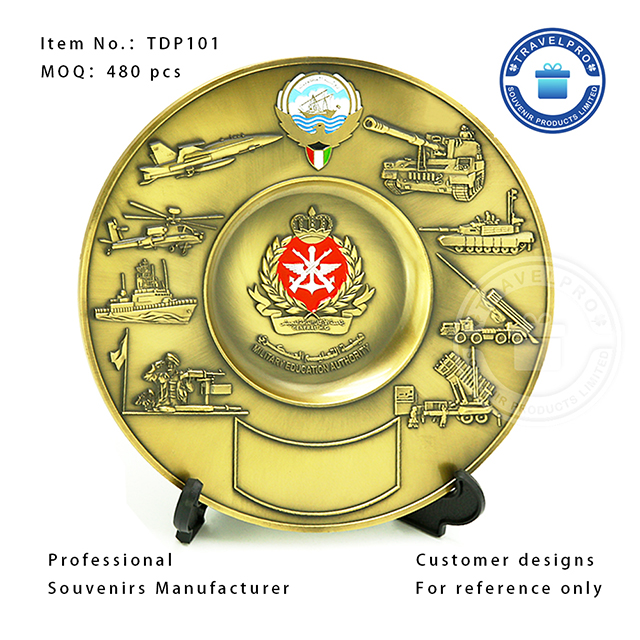
Packaging acts as a silent salesperson on the retail floor. You must maximize visibility in these high-rent commercial spaces. The structural design should allow customers to view intricate craftsmanship without physically touching the metal. Oils from human skin accelerate metal tarnishing rapidly. A well-designed metal plate display captivates passing travelers instantly and drives impulse purchases.
Display footprint presents a constant strategic battle between density and aesthetics. Airport concession space is leased at a massive premium. Packaging must minimize wasted cubic space while standing out visually. Let us evaluate the primary structural display formats.
Lighting considerations also dictate your material choices. Airport retailers typically use harsh, high-intensity overhead LED lighting. Clear packaging interacts directly with these bright beams. You should actively avoid high-glare plastics. Excessive reflections obscure the product entirely, forcing the customer to strain their eyes. Matte-finish transparent windows or strategic die-cut open-faced frames solve this glare issue effectively.
| Display Format | Ideal Retail Location | Space Efficiency Rating | Structural Requirement |
|---|---|---|---|
| Pegboard Hang-Tab | Wall Aisles | Excellent | Double-layer reinforced PET tops |
| Easel-Backed Box | Checkout Counters | Poor | Rigid folding cardboard base |
| Stackable Trays | Gondola Shelving | Good | Interlocking top-and-bottom grooves |
Bulk transit realities test your packaging engineering limits. Moving heavy metal items from a manufacturing facility to an airport warehouse requires specialized logistics planning. Metal plates carry significant dense weight. Improper weight distribution inside a carton causes lower tiers to crush under pressure during palletization. You must mandate reinforced corrugated master cartons featuring high Edge Crush Test (ECT) ratings to prevent collapsed pallets.
Security and material compliance remain absolutely non-negotiable in aviation environments. Ensure packaging materials never mimic prohibited items. They must not obscure x-ray visibility unnecessarily. Opaque, overly dense foam blocks can trigger secondary TSA inspections at security checkpoints. Clear visibility facilitates smooth transit for B2B inventory deliveries moving into the terminal. It also speeds up B2C passenger carry-on screening. Secure souvenir plaque packing keeps everyone moving quickly without frustrating delays.
Furthermore, global airport hubs increasingly enforce strict sustainability demands. Governing aviation authorities and procurement teams now require eco-friendly or recyclable packaging. Shifting toward molded pulp inserts or fully recyclable PET helps you win lucrative airport retail contracts. Avoid multi-material laminates. Consumers cannot separate plastic films glued to cardboard, rendering the entire package non-recyclable.
Prototyping and fit-testing determine a project's ultimate success. Buyers must demand physical samples before approving mass production. A single millimeter discrepancy in a die-cut insert allows heavy metal plates to rattle loosely. Rattling causes micro-scratches during turbulent transit. Ask your prospective partner to provide blank physical prototypes. Load your metal products into these blanks and simulate a rough journey.
Evaluate a vendor's scalability and lead times carefully. Travel hubs experience massive volume spikes during summer holidays and international sporting events. Your partner must scale production rapidly without compromising quality checks. Ask detailed questions about their raw material supply chains. A vendor lacking local material sourcing will miss critical holiday delivery windows.
Finally, establish clear success criteria for your cost-to-value ratio. The cost of protective packaging should align directly with the retail markup potential it creates. A premium presentation justifies a significantly higher final ticket price. If an upgraded box costs fifty cents more but allows the retailer to increase the souvenir's price by five dollars, the investment pays off immediately. Always evaluate the packaging expense against the reduction in damaged, unsalable returns.
Effective packaging for metal retail plates is a strategic operational decision, not an afterthought. It bridges product integrity, retail aesthetics, and consumer convenience. Protecting heavy, scratch-prone items requires rigorous material selection and an understanding of the turbulent transit environments inherent to aviation retail. Ignoring these factors leads to damaged inventory and alienated buyers.
Advise buyers to audit their current damage rates immediately to identify vulnerabilities. Request die-line templates from prospective vendors to visualize the shelf footprint. Conduct a physical "drop and scratch" test using mock products before committing to a full production run. By taking these decisive actions, you ensure your metal merchandise shines flawlessly under terminal lights and survives the journey home safely.
A: Focus on acid-free paper inserts and avoiding non-breathable plastics that trap humidity, paired with desiccants for long-term storage. Acid-free materials prevent chemical reactions that degrade clear coats. Desiccants actively pull moisture from the trapped air, neutralizing the primary catalyst for metal oxidation during long transit periods.
A: Clarify that while the metal plate itself will be detected, transparent or easily scannable outer packaging prevents the need for invasive baggage searches that damage the unboxing experience. Dense, opaque foams can obscure x-ray images, triggering manual inspections. Clear packaging allows agents to verify the item visually without ripping boxes apart.
A: Address weight limitations. Recommend reinforced, double-layer PET plastic for hang tabs to prevent tearing and product drops on the retail floor. Standard cardboard tabs will quickly degrade under the constant pull of heavy metal, causing the product to fall. Proper reinforcement ensures vertical display stability.

