
Views: 0 Author: Site Editor Publish Time: 2026-09-01 Origin: Site


Coastal tourists arrive at your storefront eager and ready to spend money. However, a disconnected or overly generic inventory often leads to frustrating empty-handed walkouts. This directly translates to significant lost revenue during your most critical peak season. Building a profitable range of coastal souvenir gifts isn't about packing shelves blindly. It requires a calculated matrix of impulse buys, localized keepsakes, and high-margin seasonal items. When shop owners rely on intuition rather than retail data, they risk dangerous inventory bloat. This guide outlines a decision-stage framework for retail buyers and shop owners. You will learn how to audit, source, and carefully structure your inventory. Ultimately, this strategic approach maximizes valuable floor space and drives highly qualified conversions.
Many coastal shops fail due to inventory bloat. Shop owners often stock too many similar items. These overlapping products cannibalize each other's sales. For example, offering ten variations of a generic blue coffee mug confuses buyers. They experience choice overload. You must frame your purchasing strategy around strict categorizations. A profitable beach gift shop range relies on mathematical allocation.
We highly recommend the 70/20/10 allocation rule. It simplifies purchasing decisions. It also protects your vital cash flow. Retail buyers should divide their open-to-buy budget systematically.
Your ultimate success criteria depends on inventory turnover. You must achieve a minimum turnover ratio aligned with your local season. Most successful seasonal shops aim for three to four turns during a four-month summer window. Slow-moving items drag this average down. You must eliminate them quickly.
| Category Segment | Budget Allocation | Primary Retail Function |
|---|---|---|
| Core & Proven Staples | 70% | Drive consistent, high-volume baseline revenue. |
| Local & Artisanal | 20% | Boost brand authenticity and capture premium margins. |
| Experimental Trends | 10% | Test new viral items with low financial risk. |
The checkout counter represents your most valuable retail real estate. You must optimize it for low-ticket, high-margin items. These products require zero consideration time. Customers add them to their baskets while reaching for their wallets. You need visually appealing items. They must trigger an immediate emotional response.
Certain essential SKUs dominate this zone. The classic sea theme magnet remains absolutely essential. Tourists constantly want a small, highly packable memory of their trip. You should assess your suppliers closely here. Look for strong resin durability and vibrant paint quality. Flimsy magnets break in luggage. This leads to negative customer reviews.
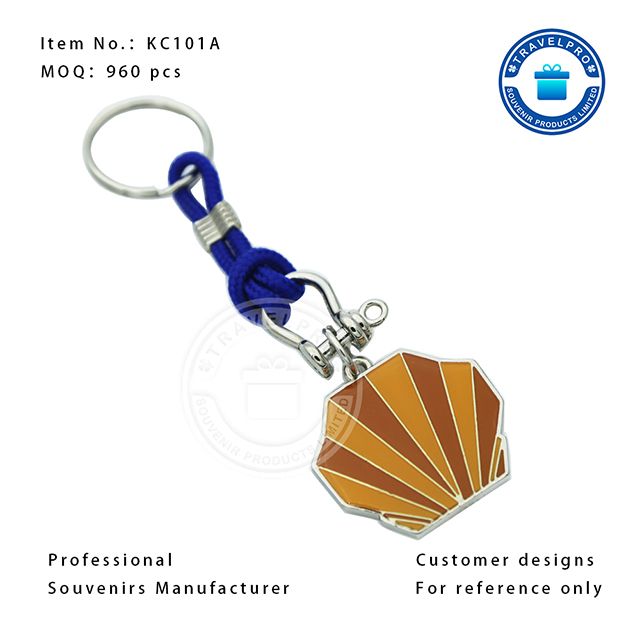
Another dominant checkout item is the seashell keychain. It acts as a perfect staple for younger demographics. Kids spending their vacation allowance gravitate toward these accessible items. They are easy to stock and easy to sell.
You must evaluate these impulse items differently than floor stock. We look at space versus profit. Calculate your profit-per-square-inch. Small items like keychains must carry a steep markup. Often, a three to four times multiplier is standard. This heavy markup justifies their placement in high-traffic checkout zones.
However, you face a major merchandising risk here. Clutter destroys impulse sales. Overcrowding the register creates intense decision fatigue. If a customer sees fifty different keychains, they freeze. They end up buying nothing. You must keep the counter clean. Rotate your impulse stock bi-weekly. Let your POS data show you what actually moves. Store the rest away.
Once you secure your checkout zones, focus on the deeper store layout. Mid-tier items typically range from $25 to $150. These products require a longer consideration phase. Customers will examine them closely. This category includes heavyweight apparel, coastal home decor, and custom local artwork.
You must balance scale with authenticity. Avoid creating a cheap "supermarket feel" in your store. You can elevate perceived value through clever presentation. Integrate DIY elements or customizable packaging. A simple ceramic mug looks basic on a wire rack. Place it in a premium gift box with nautical twine, and its value doubles.
Partner closely with local makers. They can create exclusive variations of standard coastal tourism merchandise. Tourists love regional exclusivity. If they know an item is only sold in your specific town, they buy it faster. They accept a premium price point easily.
Furthermore, compliance and trustworthiness are non-negotiable today. Modern tourists are highly eco-conscious. When sourcing items featuring coral, shells, or marine life, you must verify supplier claims. Ensure no CITES-listed endangered materials enter your inventory. Selling illegal coral destroys your brand reputation instantly. Transparent, sustainable sourcing builds deep trust. It gives you a powerful marketing angle.
Evaluating wholesale partners is a critical operational task. Many novice buyers make a fatal flaw here. They base decisions solely on the lowest unit cost. This approach often leads to disastrous peak-season shortages. You need partners who offer reliability over rock-bottom pricing.
Minimum Order Quantity (MOQ) flexibility acts as a primary evaluation criterion. Can you test a new product line with 50 units? Or are you locked into a rigid 500-unit commitment? Flexible MOQs allow you to test experimental trends safely. They prevent you from tying up capital in unproven goods.
Lead times during peak season matter immensely. A vendor's ability to restock your best-sellers in July holds tremendous value. It is far more valuable than a slight percentage discount offered in January. Empty shelves in August mean lost cash. Prioritize suppliers with domestic warehousing or rapid turnaround guarantees.
Damaged goods policies also require strict scrutiny. Fragile coastal items inherently carry higher transit break rates. Ceramics, glass ornaments, and natural shells shatter easily. You must define acceptable shrinkage rates clearly. Build these expectations into your supplier Service Level Agreements (SLAs).
Table: Vendor SLA Evaluation Matrix
| Evaluation Metric | Ideal Standard | Warning Sign (Red Flag) |
|---|---|---|
| MOQ Flexibility | Under 100 units for initial test orders. | Strict 500+ unit minimums across all SKUs. |
| Peak Season Restock Time | 7 to 10 days delivery in July/August. | Over 21 days or backorder notifications. |
| Breakage/Shrinkage Policy | Guaranteed credit for transit damages exceeding 3%. | "All sales final" on fragile glass/ceramic goods. |
The implementation reality is often harsh. No initial order is ever perfect. Unpredictable weather events can stall your foot traffic instantly. Shifting tourist demographics alter buying patterns overnight. Economic downturns squeeze vacation budgets tightly. These factors stall your carefully planned inventory velocity.
Managing seasonality risks requires discipline. You must avoid date-stamping too much merchandise. Printing "Summer 2024" on a massive batch of hoodies is dangerous. Unsold stock instantly becomes obsolete after Labor Day. Keep core merchandise evergreen. Rely on removable tags or specialized signage to create seasonal urgency instead.
You need a documented markdown cadence. Do not wait until closing week to discount. We suggest the following schedule:
Your next-step actions should be aggressive. Conduct a physical audit of your current floor plan immediately. Identify the bottom 20% of your underperforming SKUs. Do not hold onto them out of emotional attachment. Aggressively discount them now. This frees up vital physical space and capital for your proven sellers.
Building a profitable souvenir range demands data-driven curation. It is an exercise in strict margin control and localized appeal. You must carefully balance cheap, high-turnover impulse goods with authentic regional keepsakes. Relying on intuition leads to cluttered shelves and poor cash flow.
Start your optimization journey today. Use these actionable next steps to refine your strategy:
A: Most standard merchandise uses keystone pricing. This means a 100% markup, yielding a 50% gross margin. However, low-cost impulse items like magnets and keychains operate differently. They often support a 300% to 400% markup. Their extremely low base cost easily absorbs this multiplier.
A: You must focus on localized branding. Negotiate exclusive colorways with your vendors. Elevated visual merchandising also works wonders. A generic item packaged beautifully frequently outsells the exact same item displayed poorly. Focus heavily on lighting and premium DIY packaging materials.
A: Repackage non-dated items into themed gift baskets for holiday sales. You can also utilize them for local community giveaways. This builds tremendous local goodwill. Alternatively, strategically hold non-perishable core items for the next season. Only do this if your off-season storage costs do not exceed replacement capital.

